Dietitian-Approved High-Protein Spreads Beyond Peanut Butter
While many protein-fortified snacks are available, incorporating whole foods into your diet can effectively increase protein intake. Spreads are a convenient way to enhance flavor and nutrition in meals, especially for those who enjoy bread, which typically lacks protein. Peanut butter often comes to mind as a high-protein option; however, it is not the only choice. Nut butters, while popular in the U.S., can be high in added sugars and calories, making moderation important. Dietitian Natalie Rizzo notes that many people consume more than the recommended serving size of nut butter, which is two tablespoons. Although nut butters provide about 7 grams of protein per serving, several other spreads offer higher protein content.
These spreads can be used on bread, sandwiches, wraps, and rice cakes, adding texture and flavor while delivering high-quality protein, vitamins, and minerals. Increased protein intake can aid in satiety and energy levels, crucial for muscle recovery after exercise. According to the 2026-2030 Dietary Guidelines, a healthy adult requires approximately 1.2 to 1.6 grams of protein per kilogram of body weight daily. For a person weighing 150 pounds, this translates to about 81 to 109 grams of protein each day, ideally distributed across meals.
Here are some dietitian-approved high-protein spreads that provide at least 9 grams of protein per serving.
Greek yogurt serves as a versatile base for both savory and sweet spreads. A quarter-cup of plain, non-fat Greek yogurt contains about 10 grams of protein and 60 calories. It is also rich in minerals and probiotics that promote gut health. Registered dietitian Julia Zumpano suggests mixing Greek yogurt with seasonings to create a healthier ranch dip. Alternatively, blending it with avocado and lime juice yields a guacamole-inspired spread. For those with a sweet tooth, Greek yogurt can be combined with berries or fruit preserves.
Whipped tofu is another protein-rich, dairy-free option. A half-cup of firm, raw tofu whipped into a spread contains 21 grams of complete protein, beneficial for muscle growth. Tofu, made from soy milk, can be transformed into a flavorful spread by blending it with water, olive oil, and seasonings.
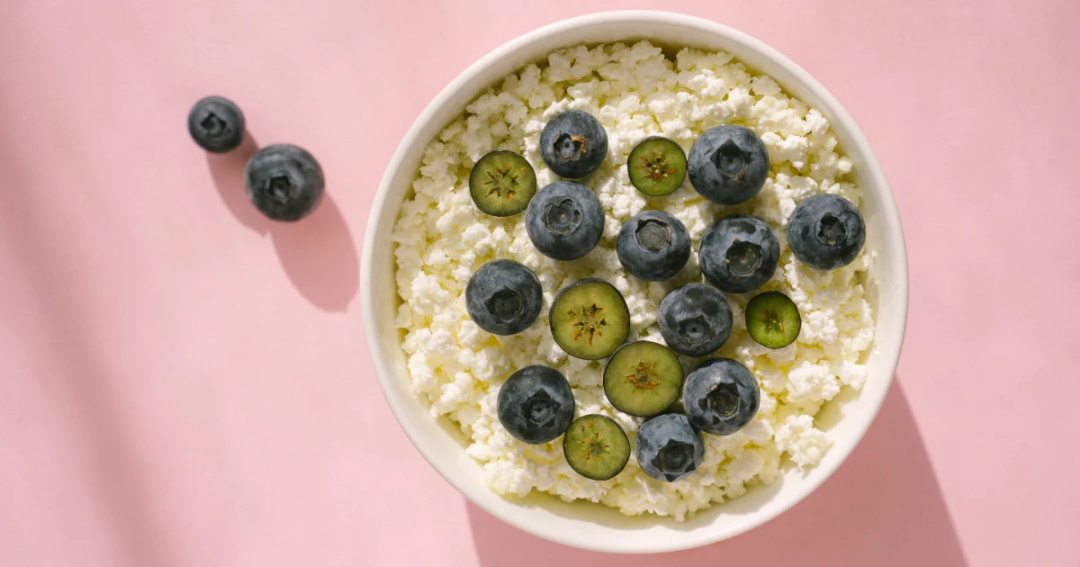
Cottage cheese is a favorite among dietitians for breakfast and can also be used as a base for spreads. A half-cup of 2% cottage cheese offers around 12 grams of protein, calcium, and B vitamins. Blending cottage cheese until smooth allows it to be used as a creamy spread or as a substitute for cream cheese.
Chickpea mash is a budget-friendly, plant-based spread. A half-cup of mashed chickpeas provides over 9 grams of protein and is considered a complete protein source. This spread is easy to prepare and can be customized with lemon juice and spices.
Ricotta cheese is another high-protein favorite, with a half-cup of part-skim ricotta containing about 14 grams of protein. It can be enjoyed on toast or incorporated into various dishes.
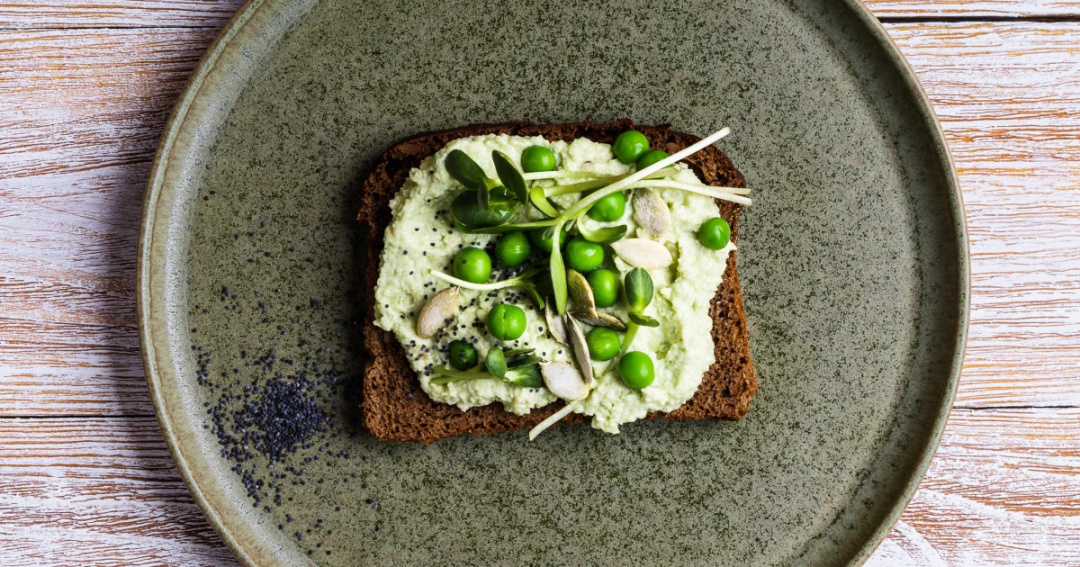
Lastly, edamame dip is a colorful and protein-rich option. A half-cup of boiled edamame provides over 9 grams of protein and is packed with vitamins and minerals. When blended with olive oil, miso, and spices, edamame transforms into a delicious spread that supports muscle and bone health.
These alternatives to peanut butter not only enhance the protein content of meals but also provide a range of flavors and nutrients, making them excellent choices for those looking to diversify their diet.