Study Links GLP-1 Medications to Increased Hair Loss Risk in Genetically Prone Men
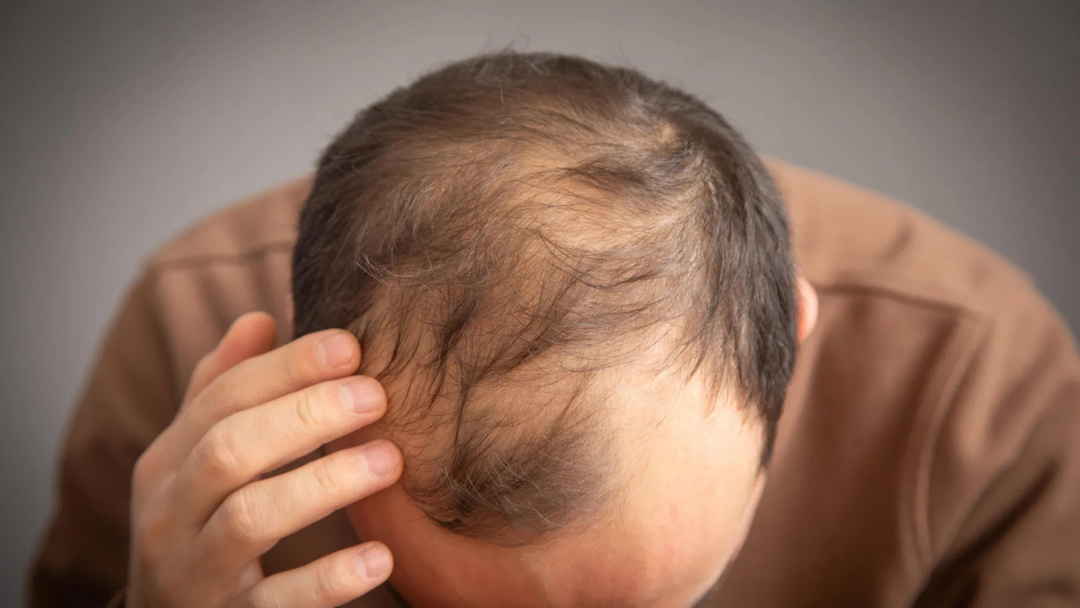
Men who are genetically predisposed to androgenetic alopecia, the most common type of hair loss, may experience an additional 7 percent risk of hair loss when using GLP-1 medications like Ozempic, Wegovy, and Zepbound for type 2 diabetes and obesity, according to a study conducted by researchers at NYU Langone Health. The study focused on the GLP1R gene, which influences the levels of glucagon-like peptide-1 (GLP-1) receptor proteins in the body. Researchers used the activity of this gene as an indicator of GLP-1 agonist activity, finding that greater GLP1R activity correlates with higher levels of GLP-1 receptor proteins. The research compared genetic patterns linked to GLP1R activity with genes found in men suffering from androgenetic alopecia. Due to the extensive research on male hair loss compared to female hair loss, the study was limited to male subjects. Hair loss has been reported among both men and women using GLP-1 medications, but previous explanations primarily attributed this shedding to rapid weight loss, as these drugs lower blood sugar and reduce appetite. Many users report that their hair begins to regrow several months after their weight stabilizes, but the researchers suspected that genetics might also play a role in the hair loss associated with these medications. The study's findings, published on September 3 in the Journal of Investigative Dermatology, provide evidence supporting this genetic link. The researchers discovered that genetic variants associated with higher levels of GLP-1 receptor proteins were more prevalent in men with androgenetic alopecia. They adjusted their analysis for hypertension, a known risk factor for hair loss, which can impair blood flow to the scalp and affect hair follicle function. Even after considering hypertension, the additional 7 percent risk of hair loss persisted. Other potential factors, such as insulin resistance and reduced testosterone levels, were also examined but did not account for the increased hair loss risk associated with GLP-1 activity. This suggests that the genetic risk for hair loss and the use of GLP-1 medications may share a biological connection. Senior investigator Dr. Lynn Petukhova noted that this study establishes the first genetic link between GLP-1 use and an increased risk of male-pattern hair loss, a connection that had been suspected but not previously demonstrated scientifically. The findings could help healthcare providers identify individuals at higher risk for hair loss prior to prescribing GLP-1 medications. Future research may lead to screening methods for assessing hair loss risk in men and possibly women before they start treatment with GLP-1 drugs. Dr. Petukhova expressed the hope that these findings might eventually lead to combination treatments, such as minoxidil, to prevent hair loss in susceptible individuals. The study utilized large genetic databases, including the eQTLGen database and the Complex Traits Genetics group database, to support its findings. Androgenetic alopecia affects approximately half of White American males over the age of 50, with a similar prevalence among postmenopausal females. The use of GLP-1 medications has surged, with surveys indicating that around 12 percent of Americans have used these drugs for weight loss, including one-fifth of women aged 50 to 64. Since the FDA approved Ozempic in 2020, prescriptions for this medication have more than tripled. Funding for the study was provided by National Institutes of Health grants. The research team included notable contributors from NYU Langone and other institutions, with several members having past affiliations with companies involved in hair loss treatments. The study's results underscore the need for further investigation into the mechanisms by which GLP-1 activity may affect hair follicle growth.