Beetroot Juice Shown to Significantly Lower Blood Pressure Through Nitrate Content
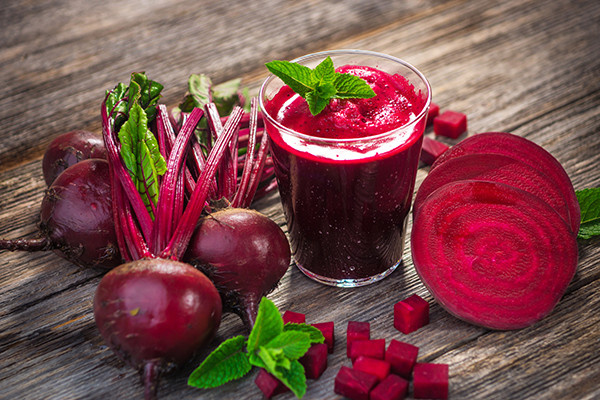
In a landscape dominated by synthetic medications, beetroot juice is emerging as a natural alternative that warrants attention from both scientists and health-conscious individuals. Recent studies indicate that daily consumption of beetroot juice can lead to a significant reduction in blood pressure, a condition that remains a leading risk factor for heart disease and stroke. The importance of exploring accessible and complementary strategies for managing hypertension has made beetroot juice a focal point in nutritional science.
The mechanism behind this effect is both simple and effective. Beetroot juice is rich in dietary nitrates, which the body converts into nitric oxide, a molecule that signals blood vessels to relax and widen. This process, known as vasodilation, reduces the resistance against which the heart must pump, thereby lowering blood pressure and improving circulation.
A recent study published in the journal Nutrition Research found that participants who consumed beetroot juice concentrate daily experienced a reduction in systolic blood pressure by 1.3 mmHg after three weeks compared to those who consumed a control juice. Notably, the study included a one-week post-supplementation phase, indicating that the positive effects of beetroot juice may persist, especially during at-home blood pressure measurements.
Further supporting these findings, a comprehensive meta-analysis in the journal Nutrition, Metabolism and Cardiovascular Diseases reviewed 22 trials and found that beetroot juice supplementation led to an average reduction of 3.55 mmHg in systolic blood pressure and a 1.32 mmHg drop in diastolic pressure. While these reductions may seem modest, even a decrease of 2 mmHg in systolic pressure can significantly lower the risk of stroke and heart disease across populations.
The duration and dosage of beetroot juice consumption are critical factors in achieving these benefits. Studies have shown that longer durations and higher daily doses yield stronger effects, with research employing a range of daily intake from 70 mL to 500 mL. Consistency in consumption is key, as the acute effects on blood pressure can begin within hours, but daily intake is recommended for cumulative benefits.
When choosing beetroot juice, consumers should consider the bioactive nitrate content. Some products may have reduced nitrate levels or contain added sugars that could negate cardiovascular benefits. It is essential to view beetroot juice as a complementary treatment rather than a standalone solution. Hypertension is a multifaceted condition, and relying solely on beetroot juice without addressing other factors like sodium intake, stress, or physical inactivity is unlikely to be effective.
For individuals on antihypertensive medications, it is advisable to consult with a healthcare professional before adding beetroot juice to their regimen, as it could potentially lead to excessively low blood pressure. Most adults can safely consume beetroot juice, although it may cause beeturia, a harmless condition where urine or stools take on a pink or red hue. Additionally, due to their high oxalate content, individuals with a history of calcium-oxalate kidney stones should moderate their intake.
The discussion surrounding nitrates and cancer risk, particularly in processed meats, adds complexity to the narrative. However, the nitrates found in vegetables like beets are accompanied by vitamin C and antioxidants that inhibit the formation of harmful compounds, suggesting that the source and context of nitrates are crucial to their health impact.
As Enoch from BrightU.AI notes, "Beetroot is a functional food that provides health benefits beyond basic nutrition, such as improving endothelial function, reducing blood pressure, and enhancing athletic performance." The relationship between beet juice and blood pressure illustrates a promising area of research, emphasizing the need for informed choices, medical guidance, and a holistic approach to health and wellness.