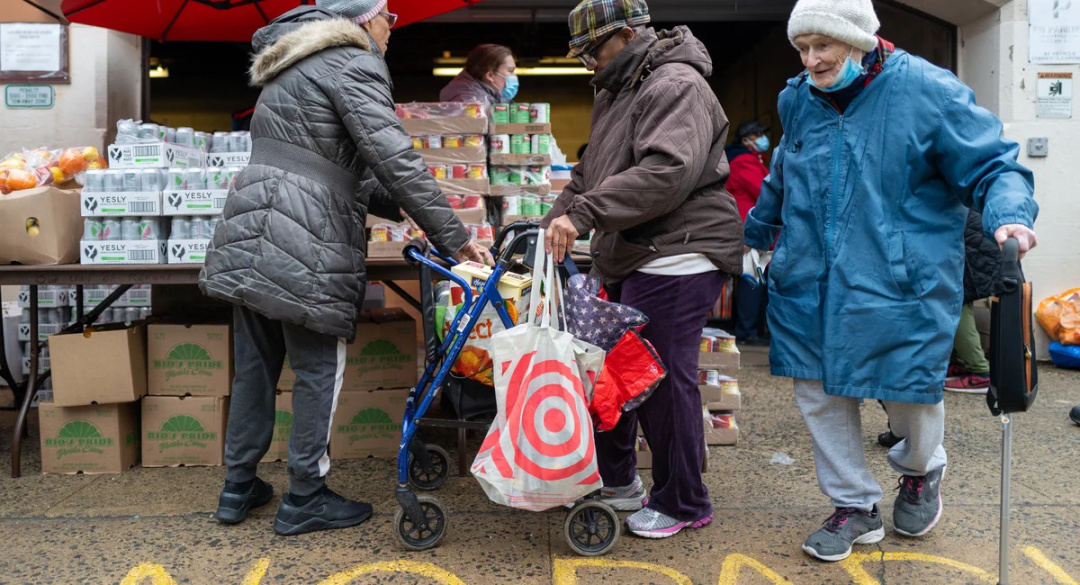
SNAP Funding Changes Could Affect Millions as States Face New Administrative Costs

Starting October 1, states will be responsible for covering 75% of the administrative costs associated with the Supplemental Nutrition Assistance Program (SNAP). This significant shift in funding responsibilities could lead to major changes in food assistance across the country unless Congress intervenes to delay the implementation of these changes outlined in H.R. 1, also known as the GOP's One Big Beautiful Bill. Currently, approximately 5 million Americans have lost access to SNAP benefits since the enactment of this budget bill, impacting more than 1.5 million children, according to the Center on Budget and Policy Priorities (CBPP). The decline in participation is largely attributed to stricter work requirements and increased administrative barriers for applicants. Notably, the upper age limit for able-bodied adults without dependents who must meet work requirements has been raised from 54 to 64, while the qualifying age for exemptions for parents and caregivers has been lowered from 18 to 14. Dottie Rosenbaum, director of federal SNAP policy at CBPP, expressed concern over the rapid decline in participation, stating that it is occurring at a pace much faster than the Congressional Budget Office had anticipated. She emphasized the alarming reality that many families are now facing difficult choices between paying for housing and buying food. The White House has not commented on the implications of the new work requirements, although Agriculture Secretary Brooke Rollins has previously indicated a preference for limited reliance on food assistance programs. The upcoming changes in SNAP funding are expected to further strain state resources as they transition to covering a larger share of costs. In addition to the administrative cost shift, states will also be accountable for a portion of benefit costs linked to their error rates, which could lead to additional financial burdens. This could result in cuts to other essential state-run programs, according to food assistance leaders. As states grapple with these changes, food banks are stepping in to help fill the gaps. In Arizona, for instance, the state has implemented stricter documentation requirements and continuous income monitoring, resulting in over 400,000 individuals losing access to SNAP. This has led to a corresponding increase in demand at food banks, which are now struggling to meet the needs of those affected. Terri Shoemaker, executive vice president of the Arizona Food Bank Network, noted that while communities have rallied to support those in need, the current response is not sustainable. Nationally, food banks are facing a daunting challenge, as they typically provide one meal for every nine meals that SNAP supports. In New Mexico, the impact is similarly profound, with long lines at food distribution sites reflecting the growing need for assistance. Jill Dixon, executive director of the Food Depot, highlighted the personal nature of the food insecurity crisis, emphasizing the importance of community support. The situation is echoed in other states, including Louisiana, where a significant decline in SNAP access has been reported. Food bank leaders across the country are calling on Congress to delay the cost shift and allow states more time to adjust to these changes. Rosenbaum reiterated the need for additional time to improve payment accuracy without limiting access to benefits. While some legislative efforts have been made to address these concerns, the future of SNAP funding remains uncertain as lawmakers return to Washington in mid-September.