Observational Study Links Lycopene Supplement Use to Lower Diabetes Odds
A recent analysis of data from the National Health and Nutrition Examination Survey (NHANES) examined the link between lycopene supplement use and diabetes prevalence among 2,381 U.S. adults. The study, reported by mindbodygreen, found that individuals who reported taking lycopene supplements had roughly 91% lower odds of having diabetes compared to those who did not use these supplements. The analysis included self-reported supplement use over the previous 30 days, diabetes status, and various measures related to biological aging. Diabetes status was determined through medical history, glucose-lowering medication use, fasting blood sugar levels, and hemoglobin A1c, which reflects average blood sugar levels over several months.
The researchers noted that while initial analyses suggested associations between diabetes prevalence and the use of calcium, iodine, molybdenum, and lycopene supplements, only lycopene maintained a significant link after adjusting for various factors and applying corrections for false discovery rates. This indicates that while there is a notable association, it does not imply that lycopene itself directly reduces the risk of diabetes.
The study's design was cross-sectional, meaning that both supplement use and diabetes status were assessed at a single point in time. This limitation means that while a connection can be observed, causation cannot be established. The researchers emphasized that individuals who take lycopene supplements may differ from nonusers in aspects such as diet, exercise habits, or overall health consciousness, which could influence the observed relationship.
Additionally, the study did not measure blood levels of lycopene or the dosage of supplements taken, relying instead on self-reported data. The researchers called for longer-term prospective studies to better understand the potential role of lycopene in diabetes prevention before making any dietary recommendations.
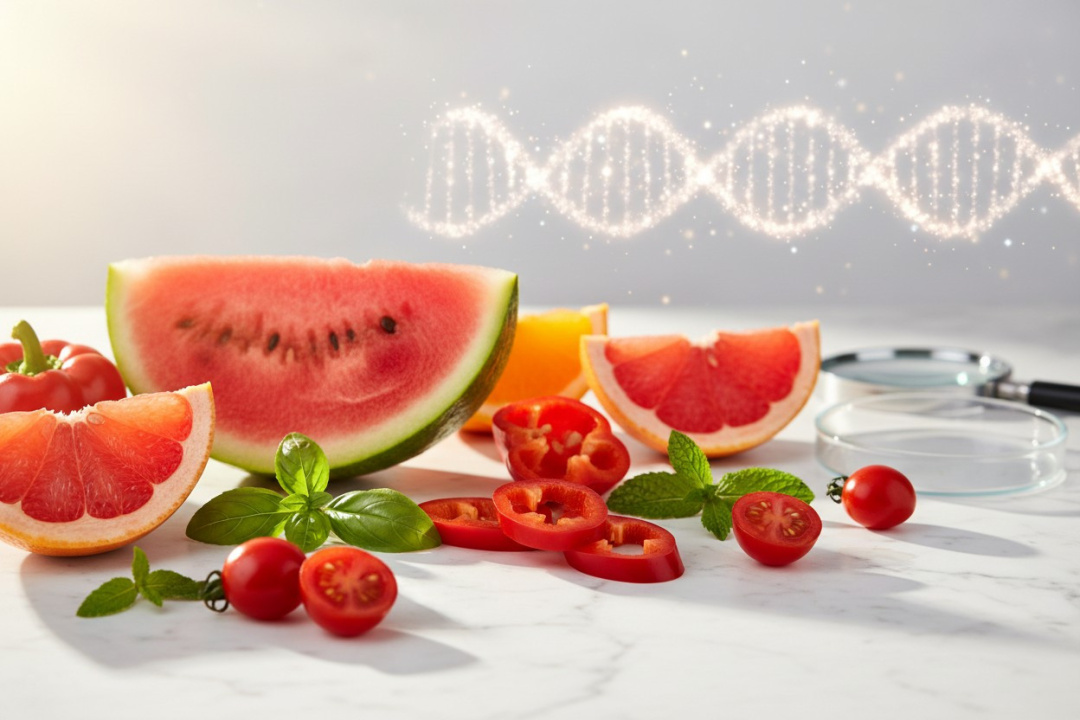
The report also highlighted that lycopene is a carotenoid found in various foods, with tomatoes being the most well-known source. Other sources include watermelon, red bell peppers, and pink grapefruit. Cooking tomatoes can enhance the absorption of lycopene, making canned tomatoes and tomato paste effective sources. The researchers concluded that obtaining lycopene through whole foods is a more grounded approach than relying solely on supplements, especially as the scientific evidence continues to evolve. They cautioned against making recommendations for lycopene supplements for diabetes prevention based on the current findings, noting that the evidence remains insufficient.