Foods That Contain More Healthy Fats Than Avocados: A Nutritional Overview
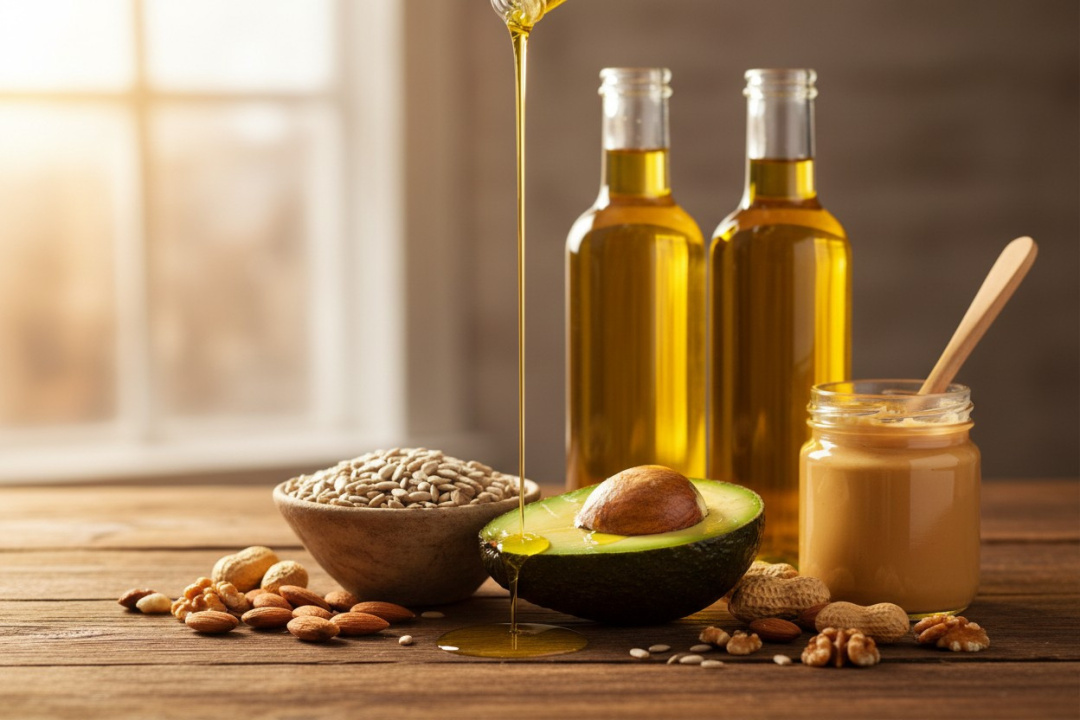
Avocados are celebrated for their healthy fat content, offering approximately 9.5 grams of monounsaturated and polyunsaturated fats in a half-fruit serving, according to USDA nutrition data. These healthy fats are linked to improved cholesterol levels and enhanced absorption of fat-soluble vitamins, as noted by the American Heart Association. However, several other foods provide even higher amounts of healthy fats per standard serving, as revealed by government and academic nutritional databases.
Healthy fats, particularly unsaturated fats, are beneficial compared to saturated fats. For instance, a quarter-cup serving of sunflower seeds contains 13.5 grams of healthy fats, comprising 10.5 grams of polyunsaturated fats and 3 grams of monounsaturated fats. Sunflower seeds also offer vitamin E and selenium, contributing to overall health. However, caution is advised regarding highly processed sunflower oil, which may lead to an imbalance of omega-6 fatty acids.
Mixed nuts, particularly those including peanuts, provide 14.4 grams of healthy fats in a quarter-cup serving, with a breakdown of 10.75 grams of monounsaturated and 3.68 grams of polyunsaturated fats. Nuts are also rich in fiber and protein, making them a nutritious addition to the diet. The Dietary Guidelines for Americans suggest that a diet with up to 35 percent of calories from fat can be healthy if saturated fat intake is kept low.
Peanut butter is another source of healthy fats, with a two-tablespoon serving containing 12.3 grams of fat, including 8.3 grams of monounsaturated and 4 grams of polyunsaturated fats. It is often consumed with vegetables, providing protein and essential nutrients. Choosing natural peanut butter can help avoid unhealthy trans fats.
Olive oil, a staple in many kitchens, contains 11.3 grams of healthy fats per tablespoon, primarily monounsaturated. Research indicates that olive oil may have anti-inflammatory properties and is recommended as a substitute for saturated fats like butter. When selecting olive oil, first-press varieties are preferred for their quality.
The USDA emphasizes that healthy fats are calorie-dense, and portion control is important to prevent excessive calorie intake. The Dietary Guidelines recommend limiting total fat to about 30 percent of daily calories, with saturated fats below 6 percent. For a 2,000-calorie diet, this translates to roughly 53 grams of healthy fats per day. By incorporating these foods in place of saturated fat sources, individuals may support heart health and overall well-being. Avocado consumption has also been associated with heart health benefits, including improved cholesterol levels and lower glycemic load. To diversify fat sources, consider using olive oil in dressings, adding nuts and seeds to meals, and opting for natural nut butters.