Exploring the Digestive Benefits of Daily Olive Oil Consumption
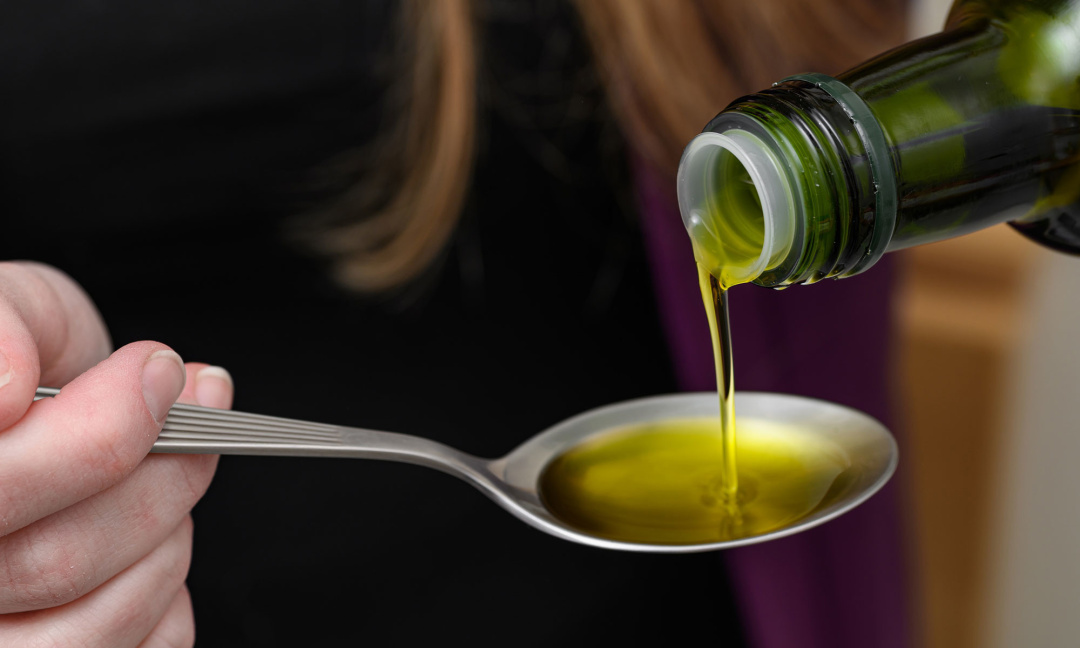
Olive oil is widely recognized as one of the healthiest fats available, with decades of research linking its consumption to improved cholesterol levels, reduced blood pressure, and decreased inflammation. While many people use olive oil in salad dressings or for roasting vegetables, some, like Bahar Ayar, have adopted the practice of taking it by the spoonful as a daily health habit. Ayar has been consuming a spoonful of olive oil each day for the past 15 months, motivated by its potential benefits for digestion and hormonal balance, particularly given her family's history of thyroid issues. After a blood test revealed early signs of these health concerns, she learned that healthy fats could support both digestion and thyroid health.
Ayar's approach to incorporating olive oil into her diet is straightforward; she prefers to consume it straight rather than cooking with it, which allows her to add healthy fats without altering the flavors of her meals. Since adopting this habit, she has noticed a significant improvement in her digestion, reporting that foods that previously caused discomfort are now easier to tolerate. This anecdotal experience aligns with scientific findings, as extra virgin olive oil has been shown to support gut health by promoting the growth of beneficial bacteria, such as Lactobacillus and Bifidobacterium. Studies have indicated that diets enriched with extra virgin olive oil can lead to improvements in digestive symptoms, including bloating and feelings of incomplete digestion.
Ayar typically takes her olive oil before meals, either at lunch or dinner, preferring to consume it in a tablespoon format. Research supports the idea that consuming one to two tablespoons of olive oil daily can yield health benefits. While Ayar does not have a specific brand preference, she always opts for cold-pressed, extra virgin olive oil to ensure quality.
Although taking olive oil by the spoonful may not be appealing to everyone, there are numerous ways to incorporate it into meals. For those who might find the idea unpalatable, olive oil can be drizzled over roasted vegetables, whisked into dressings, or used to enhance soups and grain bowls. This flexibility allows individuals to enjoy the health benefits of olive oil in a manner that suits their personal tastes and preferences.