Study Finds Pterostilbene from Blueberries and Grapes May Enhance Muscle Fat Metabolism
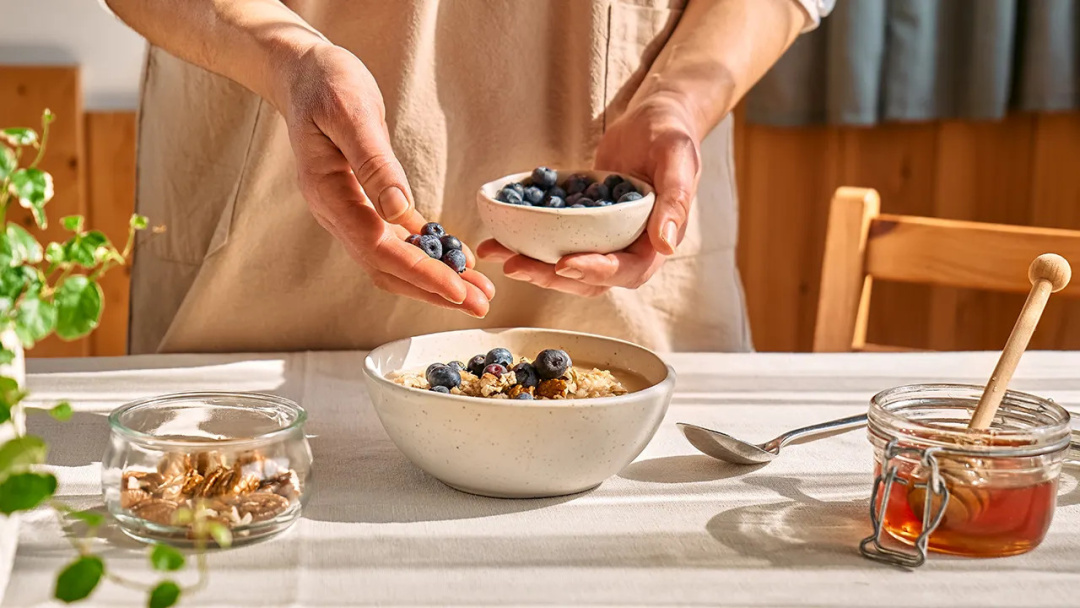
A recent study conducted by a Japanese research team has revealed that pterostilbene, a natural polyphenol present in blueberries and grapes, can enhance the breakdown of stored fat in muscle cells. Published in the journal Food Bioscience, the research indicates that pterostilbene promotes fatty acid oxidation and reduces lipid accumulation in cultured mouse skeletal muscle tissue. This compound, known for its antioxidant properties, has previously been linked to various metabolic benefits, but its specific impact on skeletal muscle metabolism was less understood. The findings suggest that pterostilbene can help mitigate abnormal fat buildup in muscle cells, which can occur due to factors such as high-fat diets, physical inactivity, and aging. Excess fat in muscle cells can hinder the body's ability to utilize glucose and fatty acids, potentially leading to insulin resistance. Lead researcher Takakazu Mitani, an associate professor at Shinshu University, noted that these findings could pave the way for the development of functional foods and nutritional supplements aimed at improving muscle fat metabolism. The team conducted experiments screening multiple food-derived compounds and found that pterostilbene significantly reduced fat accumulation without adversely affecting muscle growth. It appeared to maintain the activity of PPAR-delta, a protein that plays a crucial role in regulating fat processing within cells. While the study provides a promising starting point for exploring dietary strategies to combat obesity, type 2 diabetes, and age-related metabolic decline, it is important to note that further studies involving humans and animals are necessary to determine if these effects extend beyond laboratory conditions. Nutrition expert Johannah Katz emphasized that the complexity of human metabolism must be considered, as pterostilbene must be effectively digested, absorbed, and metabolized to reach muscle tissue in sufficient quantities. She cautioned that while the study identifies a potential mechanism for fat reduction, it does not directly imply that consuming blueberries or pterostilbene supplements will lead to fat loss in humans. Despite the encouraging results from mouse studies, the translation of these findings to human dietary practices remains uncertain, and more research is needed to establish a clear link between pterostilbene intake and fat metabolism in human muscle.