TODAY Investigation Reveals Unsafe Transportation of Perishable Foods
A recent investigation by TODAY has raised alarms about food safety in the U.S., particularly regarding the transportation of perishable foods. The investigation, which utilized hidden cameras, found that some distributors are transporting items like raw chicken and meat in unrefrigerated trucks, even on hot summer days. This practice could lead to significant health risks, as the Centers for Disease Control and Prevention (CDC) reports that approximately 48 million Americans fall ill from foodborne diseases each year, with 3,000 fatalities. Federal regulations require that perishable items be maintained at 41 degrees Fahrenheit or lower during transit to inhibit the growth of harmful pathogens.
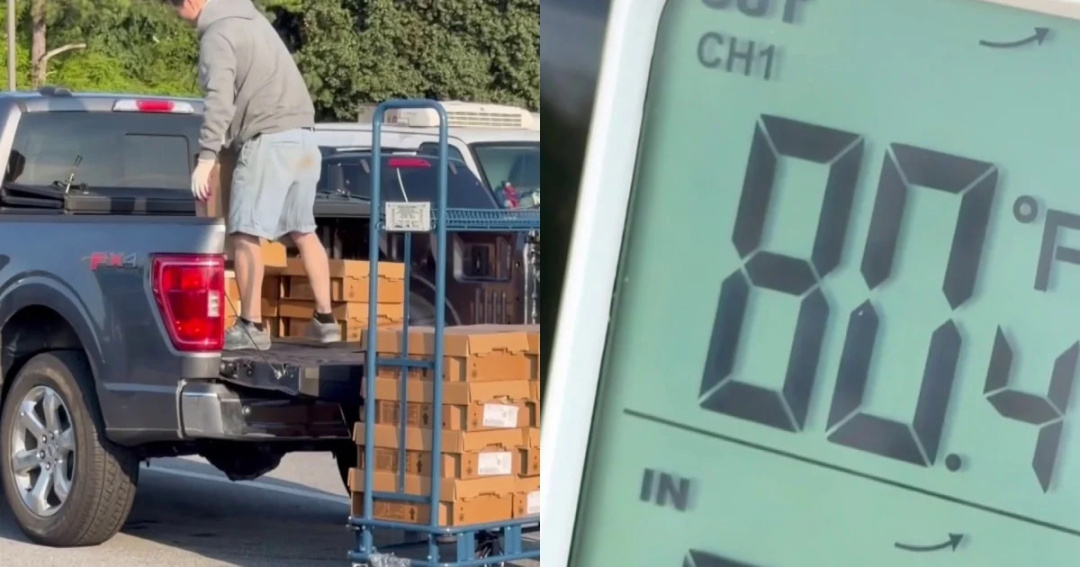
The investigation focused on food distribution practices in Atlanta, where hidden cameras documented employees loading raw meat and vegetables into vehicles without any refrigeration. Notably, on an 80-degree day, a vehicle was observed carrying raw chicken wings that sat in the heat for over an hour before reaching a restaurant. Dr. Lewis Ziska, a former USDA official, emphasized the dangers of this practice, noting that pathogens can double in number every 20 minutes at such temperatures, significantly increasing the risk of food poisoning.
Further complicating the issue, the investigation followed an unrefrigerated van carrying raw poultry and shrimp that broke down on a 90-degree day, leaving the food exposed for over two and a half hours before delivery. Although the restaurant owner claimed this was an unusual occurrence and discarded the food, the lack of regular inspections for these 'last mile' deliveries raises concerns about compliance with food safety regulations.
The investigation also included footage from Sysco, the largest food distributor in America, where employees were seen loading unrefrigerated trucks with raw chicken destined for a university dining facility. The university has stated its commitment to food safety and is reviewing the situation in collaboration with its vendor, Elior Collegiate Dining, which has pledged to investigate the matter thoroughly.
Both Sysco and Restaurant Depot, which was recently acquired by Sysco, have defended their practices, stating that while they provide insulated bags and coolers for safe transport, customers are ultimately responsible for food handling after purchase. Sysco highlighted its commitment to maintaining food safety standards throughout its distribution network, while Restaurant Depot clarified that it does not deliver food but sells insulated transport solutions.
As food safety experts advise consumers to be vigilant, the investigation underscores the critical need for stricter oversight of food transportation practices to ensure public health is protected. The findings of this investigation reveal a potential gap in the regulatory framework that could put diners at risk and highlight the importance of maintaining the integrity of the food supply chain.