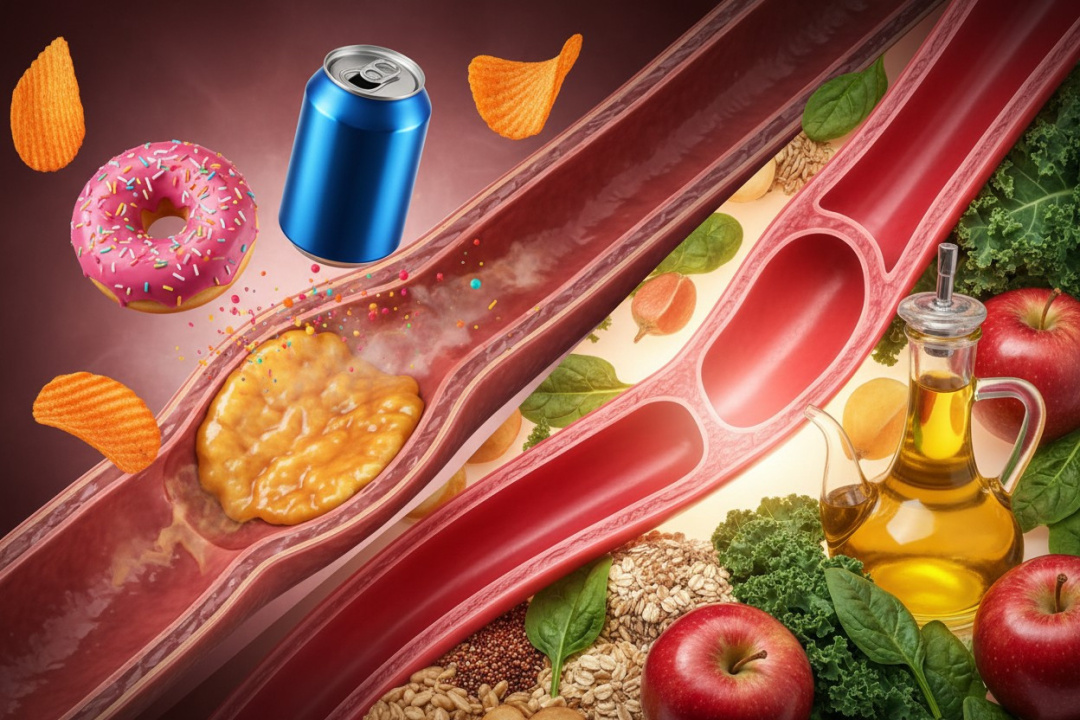
Study Finds 40% Increased Risk of Atherosclerosis Linked to Ultra-Processed Foods
A new study has revealed concerning links between the consumption of ultra-processed foods and the risk of developing atherosclerosis, a condition marked by plaque accumulation in the arteries. The research, which analyzed data from 133,797 participants in the UK Biobank who were free from atherosclerosis at the outset, involved repeated 24-hour dietary recalls to estimate the intake of ultra-processed foods. These foods, which are often characterized by the presence of multiple industrial ingredients, include items such as sweetened cereals, packaged snacks, and ready-to-eat meals.
Participants were monitored for a median duration of approximately 11 years, during which 654 individuals developed atherosclerosis. The findings indicated that those with the highest intake of ultra-processed foods faced about a 40% greater risk of developing the condition compared to those who consumed the least. When measuring food intake by weight, the highest consumers still exhibited a 29% increased risk.
Additionally, researchers conducted blood tests on a smaller subset of participants, identifying specific molecules and proteins that correlated with both ultra-processed food consumption and atherosclerosis risk. These markers were associated with fat metabolism, inflammation, and hormonal functions. While these findings provide valuable insights into how diet might influence arterial health, they do not confirm a definitive biological mechanism.
It is essential to note that this study is observational in nature, meaning it can illustrate an association but cannot definitively prove that ultra-processed foods cause atherosclerosis. Researchers accounted for various health and lifestyle factors, yet individuals who consume more ultra-processed foods may differ in significant ways from those who consume less. The blood marker results are preliminary and warrant further investigation to establish a clearer connection between diet and artery disease.
The overarching message of the study emphasizes dietary patterns rather than focusing on individual food items. While the results suggest that higher consumption of ultra-processed foods is linked to several health risks, incorporating more minimally processed foods into one’s diet could be a beneficial strategy for improving overall health. Rather than eliminating packaged foods altogether, individuals are encouraged to prioritize minimally processed options in their meals.