Pew Research Center Survey Reveals 80% of Americans Take Supplements for Health
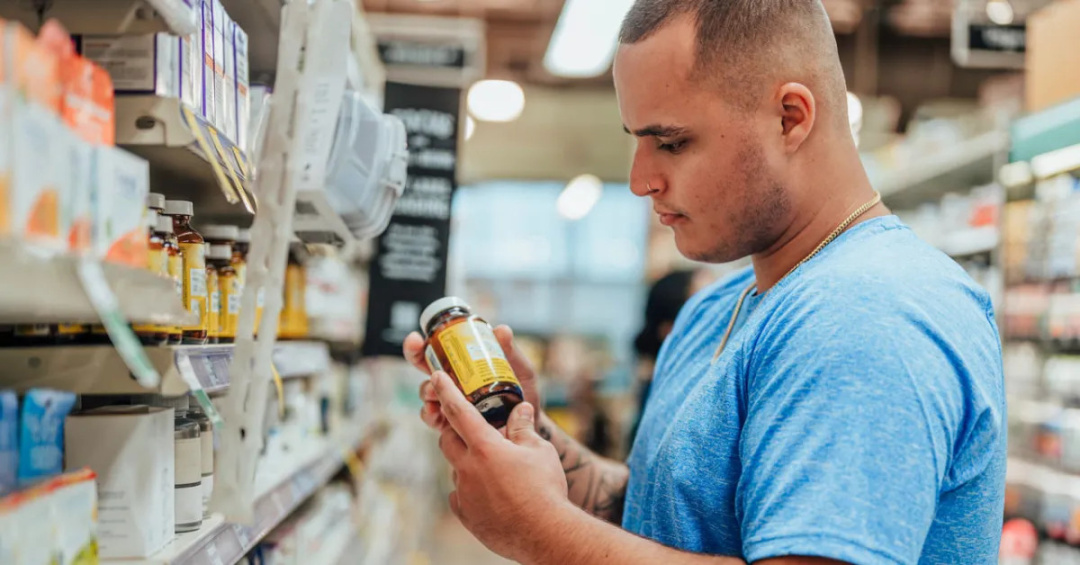
According to a new survey conducted by the Pew Research Center, about eight-in-ten U.S. adults report taking at least one dietary supplement for health purposes. This survey, which included responses from 3,554 adults between July 6 and July 12, 2026, highlights the growing trend of supplement use in the United States. The term 'supplements' in the survey refers to products such as vitamins, minerals, herbals, protein powders, melatonin, and probiotics, explicitly excluding prescription and over-the-counter medications.
The findings reveal that vitamins and minerals are the most commonly consumed supplements, with two-thirds of respondents indicating they take these for health benefits. In addition, 35% of participants reported using other types of supplements not specifically listed in the survey, such as melatonin or probiotics. The dietary supplement industry is substantial, projected to reach a global value of $209.5 billion by 2025, and is frequently discussed by health and wellness influencers on social media.
Demographically, older adults, particularly those aged 65 and older, are more likely to take supplements compared to younger adults. Approximately 85% of seniors reported using supplements, while only 67% of adults under 30 do the same. This disparity is particularly evident with vitamins and minerals, where 81% of older adults take these supplements compared to 48% of younger adults. The increased need for certain vitamins and minerals, such as calcium and vitamin D, among older populations may explain this trend.
Younger adults, however, tend to favor protein supplements, with 37% of those aged 18 to 29 and 35% of those aged 30 to 49 reporting their use. In contrast, only 23% of seniors indicated they take protein supplements. This trend aligns with the rise of 'protein maxxing' on social media and updated dietary guidelines emphasizing protein intake.
Gender differences also emerged in the survey results, with women being more likely than men to take supplements (82% vs. 74%). Women are particularly inclined to use vitamins, minerals, and herbals, and they tend to spend more on supplements and healthcare overall. Additionally, Asian adults are more likely to take omega oils, with 40% reporting their use compared to about 25% of Hispanic, Black, and White adults.
While many Americans view supplements as important for their health—62% of those taking vitamins or minerals consider them extremely or very important—this perception has been met with caution from medical professionals. The debate over the efficacy and necessity of dietary supplements continues, underscoring the importance of informed decision-making regarding their use. Emma Kikuchi and Brian Kennedy, researchers at the Pew Research Center, contributed to this analysis, which aims to shed light on public attitudes toward health supplements and their role in personal health management.