Heineken Responds to Declining U.S. Alcohol Consumption with New Marketing Strategy
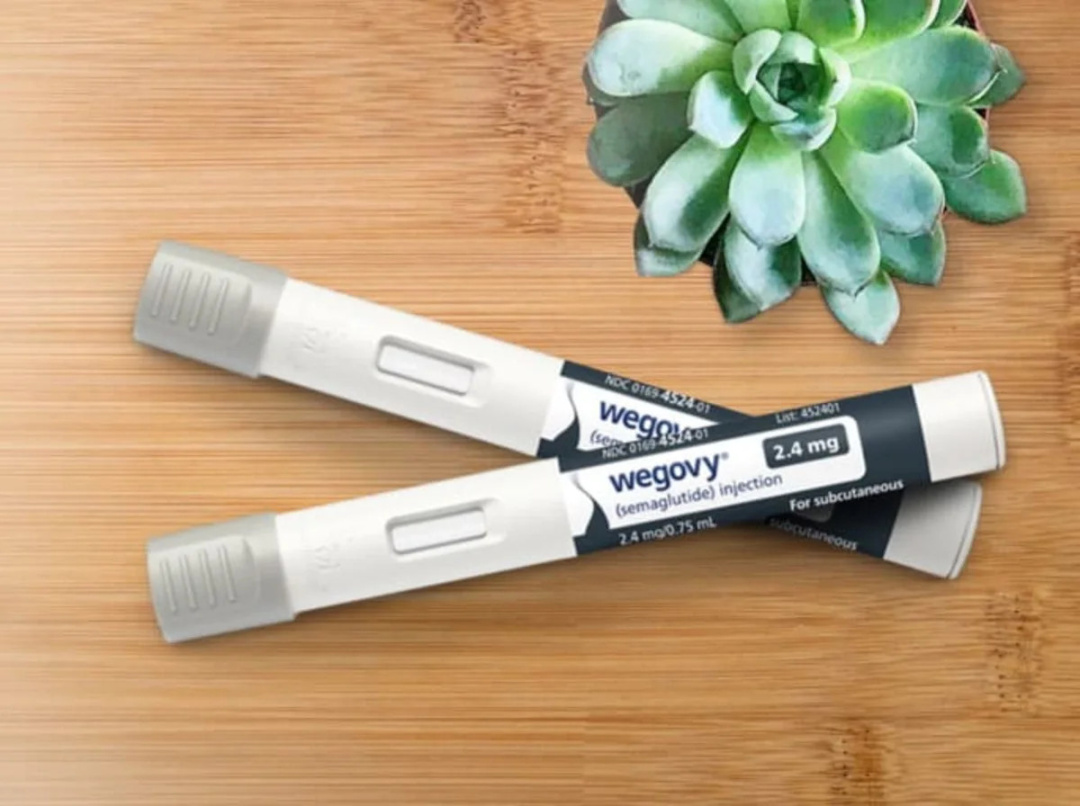
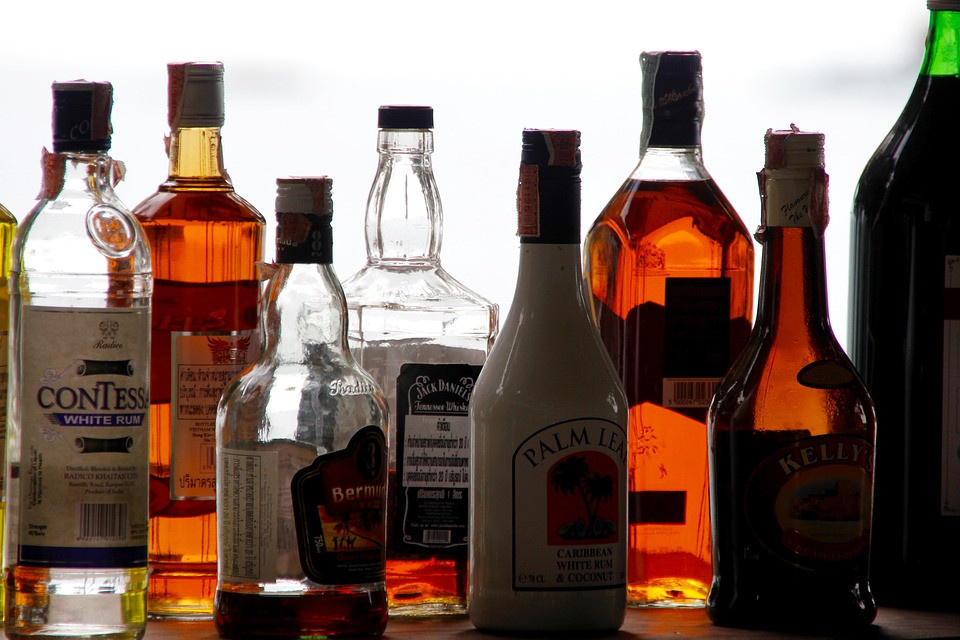
Heineken's U.S. chief executive, Maggie Timoney, recently appeared on Bloomberg to discuss the company's marketing strategy in light of declining alcohol consumption in the United States. According to a recent Gallup poll, U.S. consumption of alcoholic beverages is at historic lows, prompting concerns within the beer industry. Timoney explained the rationale behind hiring Serena Williams as the first global ambassador for Heineken 0.0, the company's non-alcoholic beer, while also addressing the influence of GLP-1 medications, which some investors believe may be suppressing alcohol demand. Timoney noted that studies on the drinking habits of individuals on GLP-1 medications yield inconclusive results, stating, "studies show that people who are on GLP1s also drink alcohol. They say, do they drink less alcohol or more alcohol? It’s inconclusive." This acknowledgment of the declining alcohol consumption trend aligns with the experiences of other major brewers, including Boston Beer and Molson Coors, who have reported significant declines in sales and share prices. Boston Beer, for instance, reported a 6% drop in depletions during the second quarter of FY2026, with its revenue falling to $568.34 million, missing expectations by over 24%. Founder Jim Koch indicated that the entire alcoholic beverage sector is facing pressure, estimating a chronic long-term decline in per capita consumption. Meanwhile, Molson Coors also reported a 3.3% drop in net sales, with domestic shipments decreasing by 7.3%. In response to these challenges, Timoney introduced the concept of "zebra striping," describing a trend where consumers alternate between alcoholic and non-alcoholic beverages during the same drinking session. The broader economic backdrop, characterized by declining consumer sentiment and discretionary spending, further complicates the outlook for the beer industry. Despite the growth of Heineken 0.0, which saw an 86% increase from 2023 to 2025, Timoney projects that the non-alcoholic segment will ultimately represent only 3% of total beer sales in the long term. For investors in Boston Beer and Molson Coors, the key question remains whether the U.S. beer industry can stabilize amid these shifts and whether new product investments will offset declines in traditional beer sales.