Fuchu Prison Adjusts Meal Plans for Increasing Foreign Inmate Population
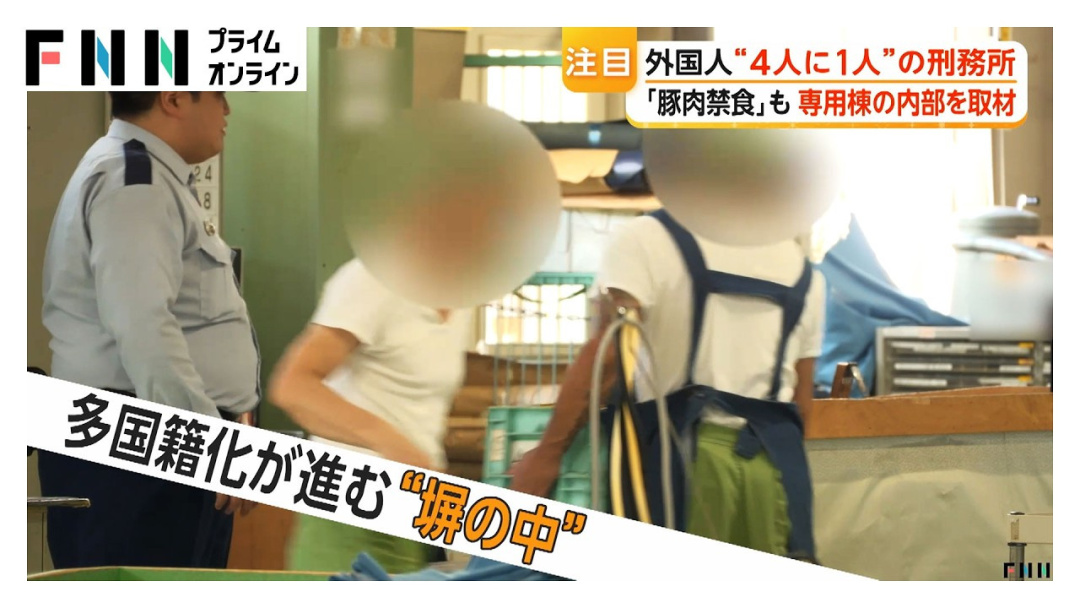
Tokyo's Fuchu Prison is making significant adjustments to its meals and living arrangements to cater to a growing foreign inmate population, which now comprises approximately one in four of its 1,735 inmates. This shift reflects the challenges faced by prison staff as they strive to balance the dietary, religious, and cultural needs of inmates from various backgrounds while adhering to tight budgetary constraints. With 467 foreign prisoners hailing from 61 different countries and regions, Fuchu Prison has the highest number of foreign inmates among Japan's 74 correctional facilities, only five of which have specialized sections for foreign inmates.
The complexities of accommodating diverse backgrounds are evident in the prison's approach to housing. Foreign inmates are provided with a dedicated housing area featuring around 200 individual rooms. Unlike their Japanese counterparts, who typically sleep on futons over tatami mats, foreign inmates are assigned rooms with beds and flooring, which helps to mitigate potential disputes that could arise from differing customs. This arrangement also reflects past incidents where groups of foreign inmates attempted escapes, prompting officials to prioritize security alongside comfort.
Food has emerged as a critical area of focus. Within the prison kitchen, 36 inmates with commendable disciplinary records prepare meals for the entire population. For instance, on a particular day, the main dish was stamina-style grilled pork, but an alternative using freeze-dried tofu was also prepared for inmates who cannot consume pork due to religious beliefs. This highlights the prison's effort to accommodate dietary restrictions, as about 40 inmates opted for the pork-free meal that day. Additionally, vegetarian options are available, and rice is sometimes replaced with bread to meet various cultural needs.
Prison officials are cautious about food preparation, tightly controlling kitchen tools and avoiding the use of cooking sake and mirin to prevent any potential alcohol consumption. Menu planning occurs monthly, where staff, including a dietitian, discuss meal plans and ingredient suitability for all inmates. To further understand inmate preferences, food questionnaires are distributed in 28 languages.
Despite these efforts, the prison operates under a strict daily food budget of 592.22 yen per inmate, which is funded by taxpayer money. Rising food prices, particularly for meat, have created challenges in maintaining this budget. Officials express a desire to meet as many dietary requests as possible but acknowledge that accommodating every individual preference is not feasible.
While Fuchu Prison aims to provide meals that reflect the diverse backgrounds of its inmates, it also seeks to integrate foreign prisoners into Japanese culinary traditions. This approach is intended to foster a sense of fairness and prevent resentment among Japanese inmates, as providing special treatment to foreign prisoners could lead to tensions. Therefore, meals are designed not only with nutritional value in mind but also with an emphasis on maintaining harmony within the prison environment.
As the proportion of foreign inmates continues to rise, Fuchu Prison is compelled to rethink its long-standing practices, striving to accommodate a diverse population while balancing security, fairness, and financial limitations.