Dietitians Recommend 11 High-Protein Snacks Over Processed Protein Bars
Protein-rich snacks can help sustain energy levels between meals and aid recovery after workouts. While protein bars are often marketed as convenient, experts caution that they may not be the healthiest choice for increasing protein intake. Frances Largeman-Roth, a registered dietitian, notes that relying solely on protein bars can deprive individuals of the nutrients found in whole foods. Protein bars are classified as dietary supplements, meaning they are not subject to the same FDA scrutiny as regular foods, which raises concerns about their nutritional value and ingredient quality.
Many protein bars on the market are highly processed and may have a nutrient profile similar to that of cookies, albeit with higher protein content. According to Sibylle Kranz, Ph.D., and a spokesperson for The Obesity Society, the protein in these bars often comes from whey, soy, or pea protein, but the quality can be low, with some bars containing incomplete proteins that lack essential amino acids. Additionally, protein bars may include unhealthy saturated fats and artificial sweeteners, which can cause digestive issues for some individuals.
Experts recommend opting for whole food protein sources that not only provide high-quality protein but also essential vitamins, minerals, fiber, and healthy fats. Whole foods tend to be more satiating than processed snacks, helping to curb cravings and support overall health.
The Dietary Guidelines for Americans suggest adults consume between 1.2 to 1.6 grams of protein per kilogram of body weight, translating to approximately 20 to 40 grams of protein per meal and 10 to 15 grams per snack. For those who snack frequently, slightly less protein per serving can still contribute to overall intake.
Here are 11 high-protein, minimally processed snacks recommended by dietitians:
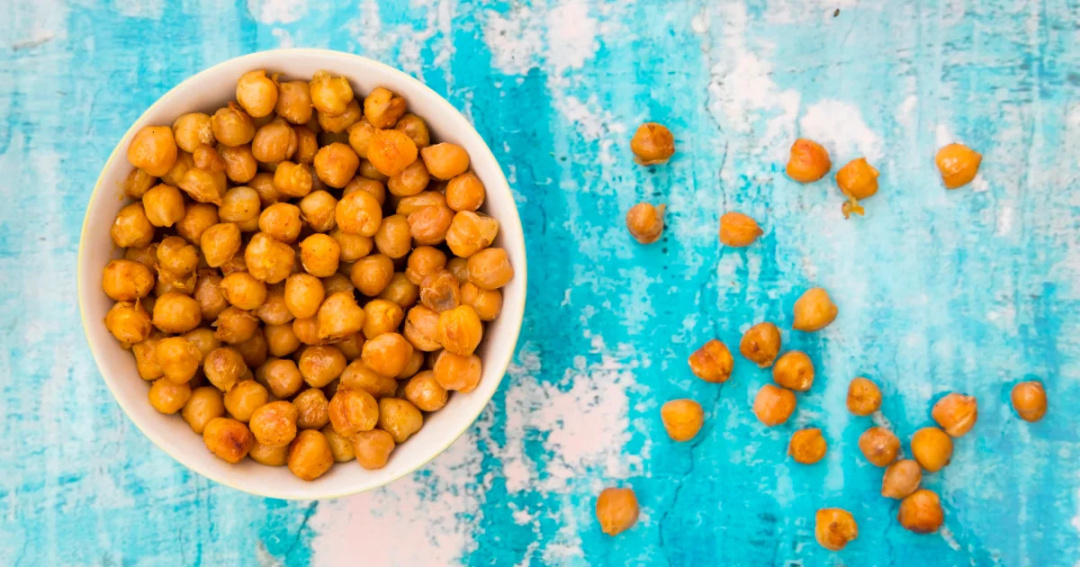
1. **Tuna**: A shelf-stable option, canned light tuna offers about 16 grams of complete protein per 3-ounce serving for just 80 calories, along with selenium and vitamin B6. 2. **Cottage Cheese**: One half-cup of low-fat cottage cheese contains 12 grams of protein for 90 calories, providing calcium and supporting muscle health. 3. **Edamame**: Boiled, shelled edamame has 9 grams of protein per half-cup for 110 calories, along with fiber and vitamins. 4. **Eggs**: One large hard-boiled egg contains 6 grams of protein and is rich in choline and vitamins B12 and iodine. 5. **Almonds**: One ounce of roasted almonds provides 6 grams of protein and is packed with healthy fats, fiber, and vitamin E. 6. **Cheese Sticks**: A stick of low-moisture, part-skim mozzarella has 7 grams of protein and is a convenient source of calcium. 7. **Pumpkin Seeds**: One ounce of roasted pumpkin seeds offers 8 grams of protein and is high in magnesium. 8. **Greek Yogurt**: One serving of plain, non-fat Greek yogurt provides 16 grams of protein and beneficial probiotics for gut health. 9. **Roasted Chickpeas**: One ounce of roasted chickpeas contains about 7 grams of protein and is rich in fiber and potassium. 10. **Overnight Oats**: Depending on the ingredients, overnight oats can provide 6 to 12 grams of protein per serving, along with calcium and soluble fiber. 11. **Beef Jerky**: While processed, beef jerky can be a high-protein snack option with about 11 grams of protein per serving, but it should be consumed in moderation due to its sodium content.
Dietitians emphasize that while protein bars can be convenient, they should not replace whole food snacks that offer a broader range of nutrients necessary for optimal health.