Curcumin's Potential Health Benefits and Research Limitations Examined

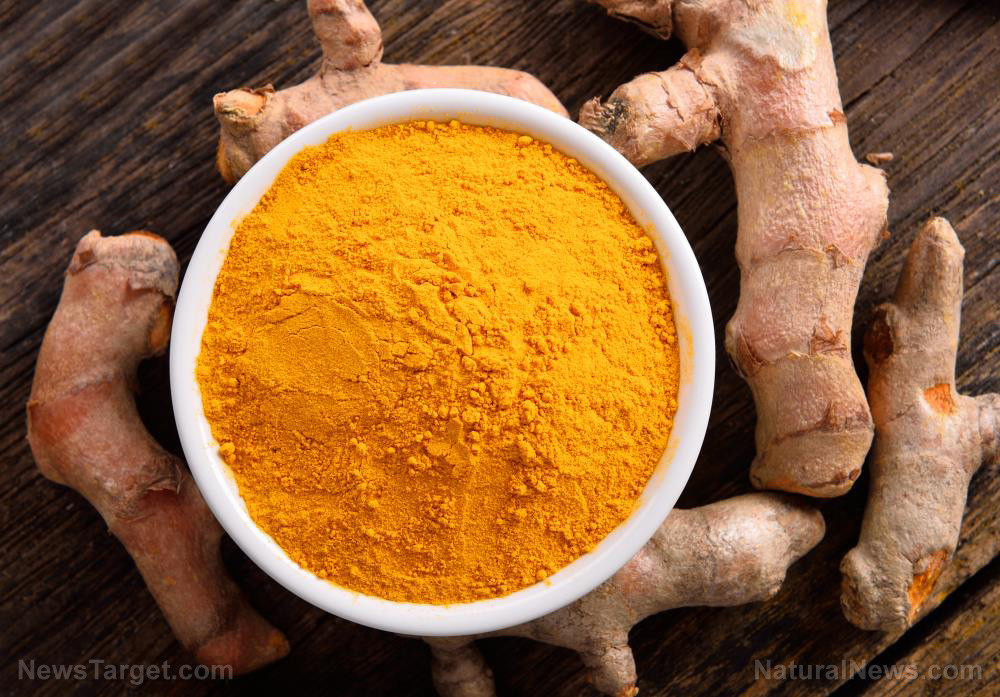
Curcumin, the primary active compound in turmeric, has been the subject of extensive research due to its potential health benefits. Traditionally used in Indian cooking and Ayurvedic medicine, curcumin is now being investigated for its anti-inflammatory properties and other health effects. Despite promising findings, researchers face significant challenges, particularly regarding curcumin's low bioavailability, which complicates its absorption in the body. The National Center for Complementary and Integrative Health notes that curcumin often requires high doses or the addition of substances like piperine from black pepper to enhance its absorption.
Recent studies highlight curcumin's potential in various health domains. A 2021 randomized controlled trial published in the Journal of Functional Foods showed that a daily intake of 1,000 mg of curcumin reduced C-reactive protein levels by 25% in obese adults, indicating its anti-inflammatory effects. Additionally, a meta-analysis of 21 trials published in BMC Complementary Medicine and Therapies in July 2025 found that individuals with knee osteoarthritis who took curcumin exhibited significantly lower levels of C-reactive protein and tumor necrosis factor-alpha, both of which are critical markers of inflammation.
Mechanistic studies have provided insights into curcumin's action, revealing that it suppresses nuclear factor kappa-B, a protein complex that regulates inflammatory genes. Laboratory analyses have also quantified turmeric's antioxidant capacity, with studies published in the Journal of Agricultural and Food Chemistry demonstrating curcumin's ability to scavenge reactive oxygen species, thus highlighting its antioxidant activities.
Curcumin's potential effects on cardiovascular health have been explored as well. Research from the University of California-Riverside suggests that curcumin promotes vascular tissue growth, which may aid in regenerating injured tissue or healing chronic wounds. Furthermore, a 2026 study reported by the American Physiological Society indicated that curcumin could protect blood vessels from damage associated with diabetes, with researcher Swasti Rastogi noting that its effects extend beyond simple antioxidant activity. A meta-analysis published in the Journal of the American Heart Association in 2020 found that curcumin supplementation improved flow-mediated dilation, a marker of vascular health, by 1.3%.
In terms of joint health, clinical research confirms that curcumin effectively reduces osteoarthritis pain and stiffness, showing comparable efficacy to nonsteroidal anti-inflammatory drugs (NSAIDs) like ibuprofen but with fewer side effects. A 2021 study in the Annals of Internal Medicine found no significant difference in pain scores between curcumin (1,500 mg/day) and ibuprofen, although curcumin was associated with fewer gastrointestinal side effects.
Research into brain health has also yielded interesting findings. A 2024 study discovered that a turmeric extract improved orientation and attention in middle-aged adults, although the study, funded by the extract's manufacturer, reported statistically significant improvements on only two out of 35 cognitive measures tested. Dr. Sanjay Mehta from the Indian Institute of Integrative Medicine remarked that while the evidence is suggestive, it is not conclusive regarding benefits for heart, brain, and joint health.
In vitro and animal studies have shown that curcumin can inhibit the proliferation of various cancer cell lines, including colon, breast, and prostate cancer. The National Cancer Institute's Drug Dictionary recognizes curcumin for its potential therapeutic activities, with over 150 identified activities, including anti-inflammatory, antimicrobial, and anticancer effects. However, clinical translation remains a challenge. A 2020 phase II clinical trial at the University of Texas MD Anderson Cancer Center found that curcumin combined with gemcitabine increased survival in pancreatic cancer patients by 2.3 months, but the results did not reach statistical significance.
Despite the growing body of evidence, researchers caution against overstating curcumin's benefits. The World Health Organization has set an acceptable daily intake of 0–3 mg/kg body weight for curcumin, while commercial supplements often contain doses ranging from 500 to 1,000 mg. The FDA recognizes turmeric and curcumin as generally safe (GRAS) as food additives, but dietary supplements are not premarket-approved for safety or efficacy. A 2021 case report linked high-dose curcumin (1,200 mg/day) to reversible liver injury in one patient, underscoring potential hepatotoxicity. Interactions with medications such as warfarin and clopidogrel have also been documented, prompting the National Institutes of Health to advise caution for patients taking these drugs.
An umbrella review of 121 meta-analyses published in 2022 assigned a "moderate" strength of evidence to curcumin's anti-inflammatory and pain-reducing effects, but "low" to "very low" for cognitive, cardiac, and cancer outcomes. The scientific community emphasizes the need for more standardized research to confirm curcumin's absorption and efficacy. Ultimately, while turmeric shows promise as an adjunct to conventional care, it is not a substitute for approved medical treatments, and no regulatory body has approved turmeric or curcumin for the prevention or treatment of any disease.