Exploring the Nutritional Benefits and Health Properties of Passion Fruit
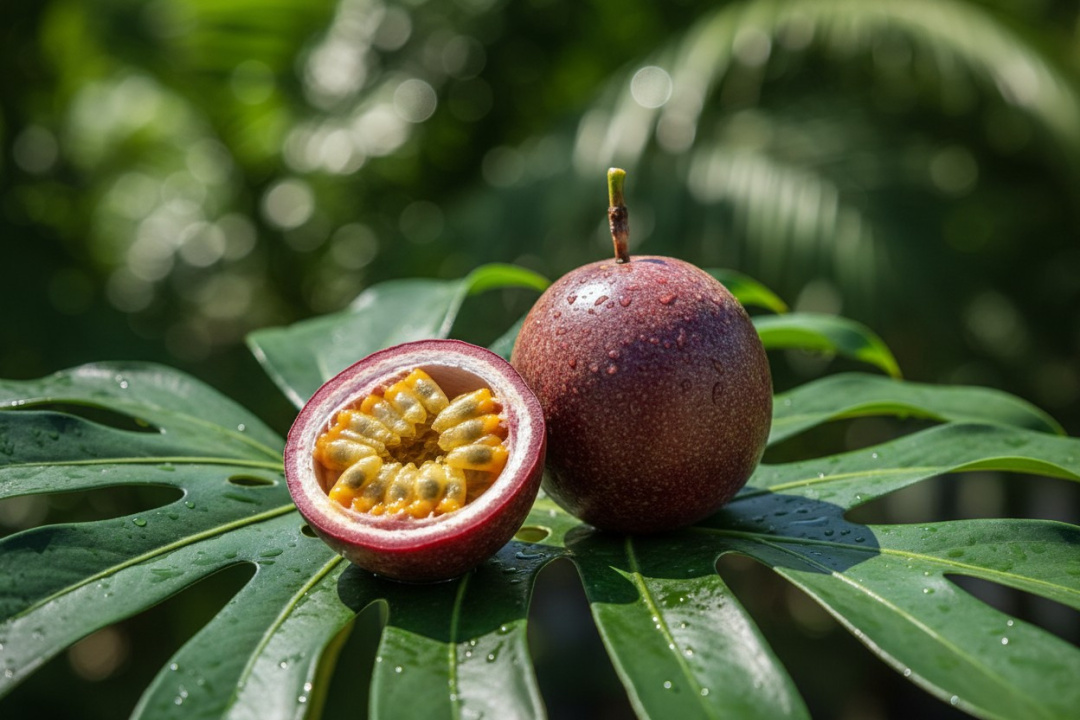
Passion fruit, derived from the Passiflora vine, is a tropical fruit known for its vibrant flavor and impressive nutritional profile. This fruit is not only delicious but also packed with essential vitamins and minerals that contribute to overall health. According to the U.S. Department of Agriculture, a single passion fruit without refuse contains 11.5 mcg of vitamin A, 63 mg of potassium, 5 mg of magnesium, 5.4 mg of vitamin C, 2 mg of calcium, 0.29 mg of iron, and 1.9 g of dietary fiber. Additionally, it provides phosphorus, niacin, and vitamin B6, all of which are vital for various bodily functions.
The antioxidant content of passion fruit is particularly noteworthy. A study published in Food Chemistry highlights that the ascorbic acid (vitamin C) content in passion fruit is approximately 39.36 mg per 100 g. These antioxidants play a crucial role in neutralizing free radicals, which can cause cellular damage and contribute to chronic diseases such as heart disease and Alzheimer's. The presence of anthocyanins, another type of antioxidant found in passion fruit, further enhances its health benefits.
Fiber is another significant component of passion fruit, which aids in digestion and supports heart health. The American Heart Association notes that dietary fiber can help reduce cholesterol levels, thereby promoting cardiovascular health. Research on the insoluble fiber from Passiflora edulis seeds suggests that it may positively influence cholesterol levels and enhance intestinal health by improving enzyme activity.
Moreover, passion fruit has a low glycemic index, making it a suitable option for individuals managing diabetes. A study cited in the source found that a compound called piceatannol, present in passion fruit seeds, improved insulin sensitivity in overweight men. The fruit's vitamin C content not only boosts the immune system but also aids in iron absorption from plant-based foods, further supporting overall health.
To enjoy passion fruit, one can cut it in half and scoop out the pulp and seeds, which are both edible. The extracted juice can be used in various ways, such as mixed with water and sugar for a refreshing drink, added to smoothies, or used in desserts and sauces. However, it is important to note that passion fruit does not preserve well with heat, so freezing is recommended for long-term storage.
While passion fruit is generally safe for consumption, individuals with latex allergies should exercise caution, as some proteins in the fruit may trigger allergic reactions due to cross-reactivity.
In summary, passion fruit is a nutrient-dense tropical fruit that offers a range of health benefits, including antioxidant support, digestive health, and potential blood sugar regulation. Its rich nutritional profile makes it a valuable addition to a balanced diet, providing essential vitamins and minerals that contribute to overall well-being.