UCLA Study Reveals Bacterial Presence in Common Kidney Stones, Challenging Medical Norms
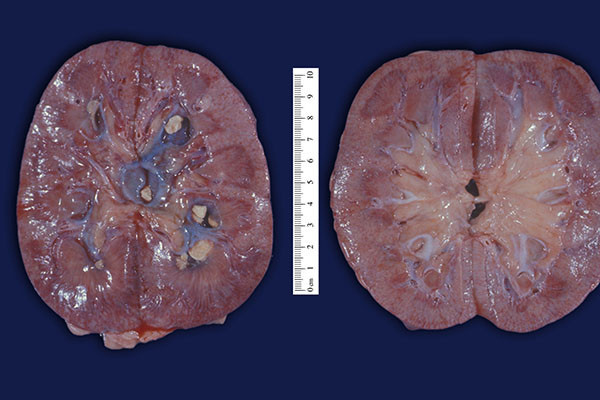
In a groundbreaking study, researchers at the University of California, Los Angeles (UCLA) have found living bacteria embedded within the most prevalent type of kidney stone, calcium oxalate stones. This discovery, published in the journal PNAS, challenges the long-standing belief that kidney stones are solely inert mineral formations. The research team, led by Dr. Kymora Scotland, utilized advanced microscopy techniques to examine the structure of these stones and found distinct bands composed of bacterial DNA and biofilms, indicating that bacteria may contribute to the formation of these stones rather than simply being contaminants.
Historically, kidney stones have been explained through a chemical model, where concentrated urine causes minerals like calcium and oxalate to crystallize and form stones. This model has guided prevention strategies focused on dietary changes and hydration. However, the UCLA findings suggest a more complex interaction, where bacteria may serve as scaffolds for crystal formation, thereby blurring the lines between metabolic and infectious causes of kidney stones.
This research is particularly relevant as calcium oxalate stones account for nearly 80% of all kidney stone cases. Previously, bacterial involvement was primarily associated with struvite stones, which are linked to urinary infections. The new evidence indicates that the majority of kidney stones may have a biological component, prompting a reevaluation of treatment and prevention strategies.
The implications of this study are significant. If bacteria play a role in stone formation, targeting these microbial communities could become a viable prevention strategy. Dr. Michael Zell, a urologist not involved in the study, noted that this could lead to new antimicrobial treatments for patients who suffer from recurrent stones. Current preventive measures, such as increasing water intake and using medications to inhibit crystal formation, may still be effective but could be enhanced by considering the bacterial factors at play.
The research team is now focused on identifying the specific bacterial species involved and understanding the mechanisms behind bacterial-mediated stone formation. This could provide insights into why some individuals are more prone to developing kidney stones and whether this biofilm mechanism applies to other types of stones.
This discovery highlights the importance of the human microbiome in various health conditions, including kidney stone formation. It encourages a more holistic approach to urological health, recognizing the urinary tract's microbiome as a significant factor in disease. For the millions affected by kidney stones, this research offers hope for more targeted treatments and a better understanding of their condition, moving beyond the traditional view of kidney stones as merely a result of chemical imbalances.