CRP and Fibrinogen as Biomarkers for Metabolic Syndrome in HIV Patients on ART
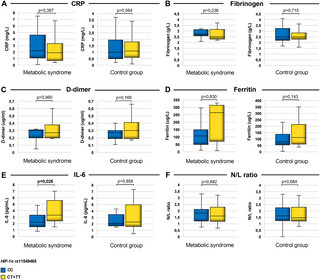
Metabolic syndrome (MS) is increasingly recognized as a significant health issue among people living with HIV (PLWH) who are undergoing antiretroviral therapy (ART). This condition is characterized by a cluster of metabolic abnormalities that elevate the risk for cardiovascular disease and type 2 diabetes mellitus. A recent study aimed to investigate the relationship between inflammatory markers, specifically C-reactive protein (CRP) and fibrinogen, and the presence of MS in this vulnerable population. The study was conducted across two University Clinical Centers in Serbia and involved 116 participants who had been on ART for at least 18 months. The researchers classified participants according to the National Cholesterol Education Program Adult Treatment Panel III (NCEP ATP III) criteria for MS.
The findings revealed that individuals with MS exhibited significantly higher levels of CRP and fibrinogen compared to those without MS. Specifically, the study identified cut-off values of 1.85 mg/L for CRP and 2.49 g/L for fibrinogen, suggesting their potential utility as biomarkers for identifying MS in ART-treated PLWH. Additionally, the study explored the association between the HIF-1α rs11549465 polymorphism and inflammatory markers. The results indicated that the CT + TT genotype of this polymorphism was linked to elevated interleukin-6 levels among participants with MS, further emphasizing the role of genetic factors in the inflammatory processes associated with HIV and metabolic complications.
The implications of these findings are significant, as they suggest that CRP and fibrinogen could complement existing diagnostic criteria for MS, aiding in the identification of individuals at increased risk for cardiovascular diseases and diabetes. The study underscores the importance of addressing chronic inflammation in the management of metabolic health among PLWH, highlighting the need for ongoing research in this area to better understand the interplay between HIV, inflammation, and metabolic health.