New Gene-Editing Therapy VERVE-102 Shows Promise in Lowering LDL Cholesterol
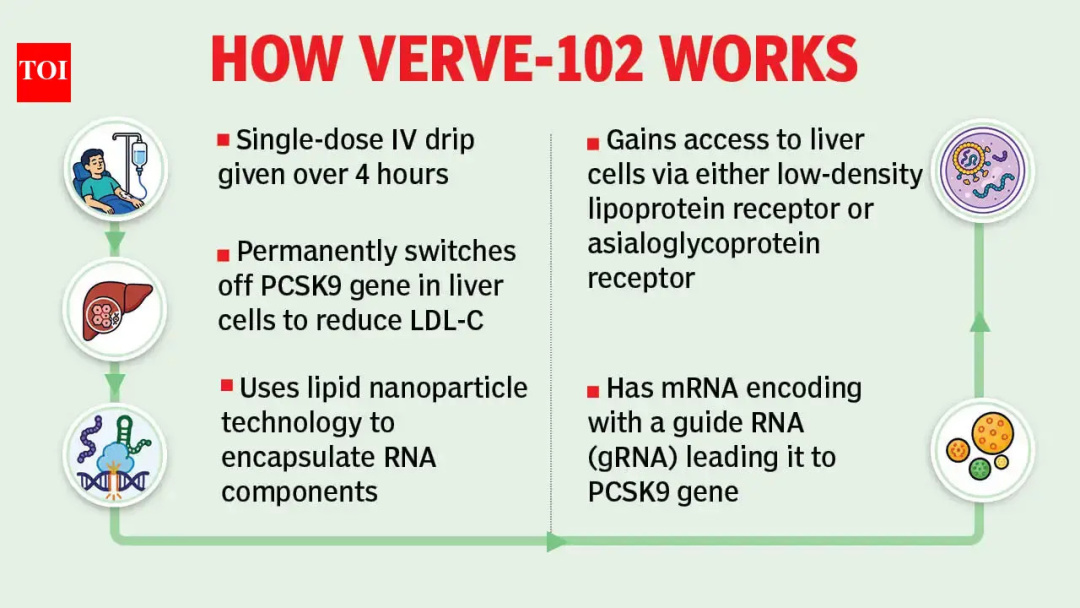
A new gene-editing therapy known as VERVE-102 has emerged as a potential breakthrough in the management of high LDL cholesterol levels. Developed by the pharmaceutical company Eli Lilly, this experimental treatment aims to silence the PCSK9 gene, which is responsible for producing a protein that inhibits the liver's ability to remove bad cholesterol from the bloodstream. In a phase 1 trial, VERVE-102 was shown to reduce LDL cholesterol by as much as 62%, marking a significant advancement in preventive cardiology. The findings were published in the New England Journal of Medicine, and the therapy has received a 'fast track' designation from the U.S. FDA for patients genetically predisposed to high cholesterol and premature heart disease.
Dr. Upendra Kaul, a senior cardiologist, expressed excitement over the potential of a single injection to silence problematic genes, while Dr. Balbir Singh noted that it remains uncertain whether one dose could provide lifelong protection. He suggested that this therapy might eventually function similarly to a vaccine against heart disease, potentially preventing numerous heart attacks and cardiovascular-related deaths.
The PCSK9 gene is crucial in cholesterol regulation, as it produces a protein that binds to LDL receptors, preventing them from clearing bad cholesterol from the body. Individuals with mutations in this gene naturally maintain lower cholesterol levels due to reduced protein production. Existing treatments, such as PCSK9-blocking antibodies like Evolocumab and Alirocumab, have demonstrated effectiveness in lowering LDL cholesterol by 50-60% but require regular injections every two to four weeks.
Inclisiran, another recent drug approved in 2020, employs a different mechanism by using small interfering RNA to inhibit the PCSK9 gene signal. While it lowers LDL cholesterol by about 50% and is administered biannually, its long-term efficacy in preventing heart attacks is still being evaluated.
VERVE-102 differentiates itself by utilizing gene editing to create a permanent alteration in the gene itself, rather than merely suppressing its activity. However, caution is warranted due to previous trials with VERVE-101, which encountered safety issues, including elevated liver enzymes and low platelet counts in participants. The delivery system for VERVE-102 is designed to target the liver more effectively, but experts emphasize the need for comprehensive long-term safety assessments before widespread use.
A recent review published in the Atherosclerosis journal acknowledged the targeted approach of VERVE-102 but raised concerns about potential off-target genomic interactions that could lead to unintended consequences. Dr. Singhvi highlighted the importance of monitoring for unintended genetic changes and possible effects on the liver and immune system.
While gene-editing therapies like VERVE-102 could revolutionize chronic disease treatment, experts agree that they will not replace the need for traditional lipid-lowering medications such as statins. Dr. Kaul compared statins to penicillin in their significance for heart health, suggesting that gene editing will likely serve a niche role rather than becoming a universal solution. Furthermore, lifestyle modifications, including a healthy diet, regular physical activity, and weight management, will continue to be essential components of cardiovascular health management.