Study Shows Low-Plastic Diet Reduces Harmful Chemicals in Urine
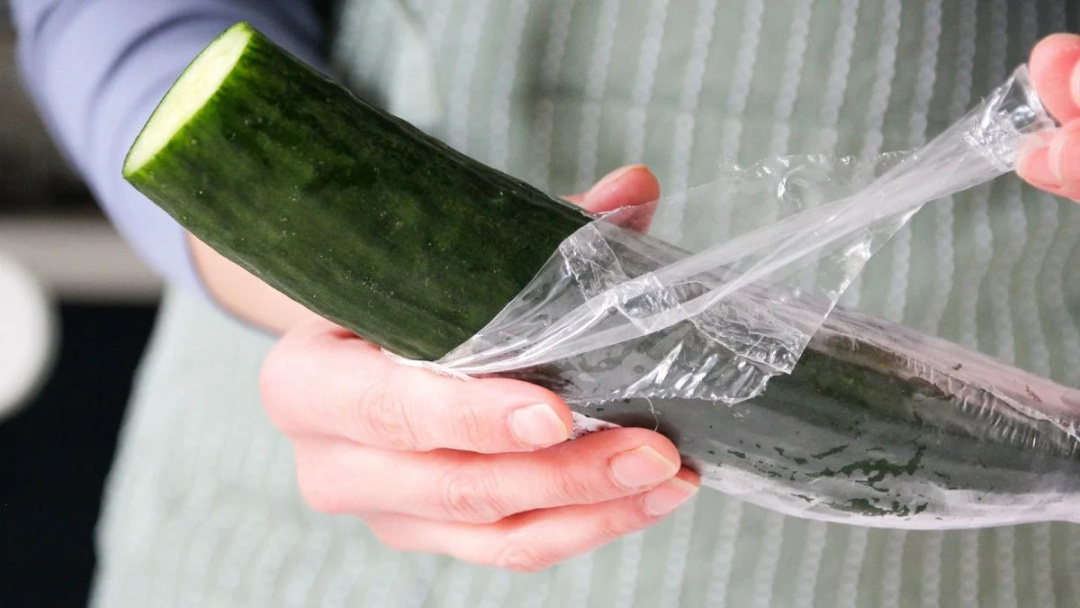
Plastic is becoming increasingly ubiquitous, but a recent study indicates that individuals may reduce their exposure to harmful chemicals associated with plastic by making specific dietary changes. Conducted in Australia, the randomized controlled trial involved 60 participants who adhered to a low-plastic diet for seven days. The results, published in Nature Medicine, showed that those who used plastic-free kitchenware and consumed food with minimal plastic contact experienced a significant reduction in the levels of three plastic-associated chemicals in their urine, with reductions of up to 60% compared to a control group.
Principal investigator Michaela Lucas, a clinical immunologist at the University of Western Australia, stated, "Our results showed strictly adhering to a diet of food which has not touched plastic, whether that is during production or packaging, can reduce plastic chemicals in our body in as little as a week." The study focused on two major types of chemicals: phthalates and bisphenols (BPA and BPS), which are known to migrate into food from plastic packaging and containers.
The research team initially assessed the plastic exposure of 211 participants, discovering that all of them excreted at least six plastic chemical metabolites on any given day. Those with the lowest levels of these chemicals tended to avoid fast food, highly processed foods, and foods packaged in plastic. This prompted the team to conduct a more focused trial with 60 participants to determine if a diet consisting solely of foods processed, stored, and consumed in glass, steel, or wood could lower the levels of phthalates and bisphenols in urine.
Participants were divided into control and intervention groups, with the latter following various low-plastic dietary protocols. These included consuming food with minimal plastic contact, using non-plastic cooking equipment, and utilizing low-plastic personal care products. The most significant reductions in chemical levels were observed in participants who adhered strictly to low-plastic foods and kitchenware. For instance, levels of mono-n-butyl phthalate decreased by 38%, monobenzyl phthalate by 54%, and bisphenol A by 60% compared to the control group.
Despite the promising results, the study also highlighted that not all chemicals responded as expected. Additionally, while personal care products had a lesser impact on chemical levels, the diet itself proved to be a crucial factor in reducing plastic exposure. The researchers worked closely with over 100 farmers and food producers to ensure the food handling processes minimized plastic exposure from production to consumption.
Lucas emphasized the importance of these findings, stating, "This trial has delivered a message of hope that we can actively reduce plastic chemical levels in our bodies, but it is linked to significant changes in the way we produce and package our food." However, the long-term health effects of these chemicals remain uncertain, as the safe levels of plastic exposure in the body are not yet established. The study suggests that without intervention, the health burden associated with plastic exposure may increase over time, given the rising production of plastic materials.