Systematic Review of Ketogenic Diet Therapies for Drug-Resistant Epilepsy
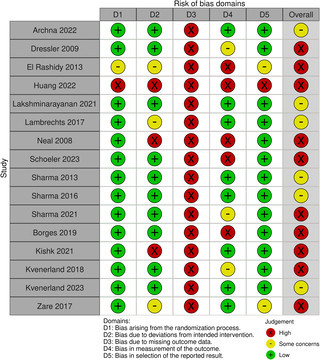
Epilepsy is a prevalent neurological condition characterized by recurrent involuntary brain activity, resulting in seizures. Approximately 30% of individuals with epilepsy do not respond to standard pharmacological treatments, leading to drug-resistant epilepsy. This condition poses significant challenges, including a poor prognosis and diminished quality of life. Among the alternative treatment options available, ketogenic diet therapies (KDTs) have emerged as a potential intervention. This systematic review aims to evaluate the effectiveness of KDTs in managing drug-resistant epilepsy in both pediatric and adult populations, adhering to the Preferred Reporting Items for Systematic Review and Meta-analysis (PRISMA) guidelines. The review involved a comprehensive search of databases, including Embase, PubMed/Medline, LILACS, and the Cochrane Library, identifying randomized controlled trials (RCTs) that met specific inclusion criteria. A total of 1193 articles were retrieved, with 17 studies ultimately included in the analysis. The studies encompassed both children and adults, with follow-up periods ranging from six to 24 months. In children, the findings suggest that approximately 37% may experience a reduction in seizure frequency of 50% or more when following any form of KDT, supported by moderate-certainty evidence. Additionally, about six more children per 100 may achieve a reduction of 90% or more, although this finding is based on low-certainty evidence. For adolescents and adults, KDT may lead to a 50% reduction in seizure frequency for 16 more individuals per 100 compared to usual care, but the evidence regarding a 90% reduction remains uncertain due to limited reported events. Side effects in children showed no significant differences compared to usual care, while the impact on adults remains unclear. Adherence to KDT may be slightly lower than standard treatment, though results varied. The review highlights the need for further research to clarify the effects of KDT on quality of life and cognitive outcomes, as existing studies are limited and heterogeneous. Overall, while KDTs present a promising avenue for managing drug-resistant epilepsy, the evidence is tempered by uncertainties and the necessity for individualized patient considerations.