Long-Term Tadalafil Use Linked to Increased Glaucoma Risk in Men
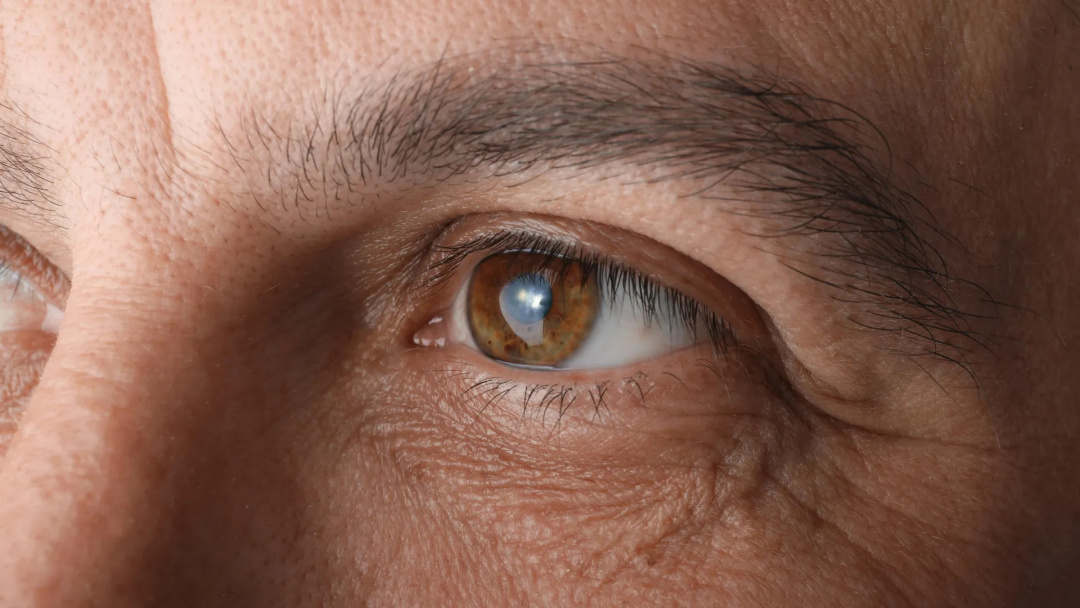
A large comparative study published in the British Journal of Ophthalmology has revealed that long-term use of tadalafil, an erectile dysfunction medication, may be associated with an increased risk of glaucoma in men. This research involved nearly 74,000 men aged 40 and older, with half prescribed tadalafil for up to five years to manage urinary symptoms stemming from an enlarged prostate, while the other half did not receive this treatment. The study found that men taking tadalafil were 22% more likely to develop glaucoma compared to those who were not prescribed the medication. Additionally, ocular hypertension was 32% more prevalent, and primary open-angle glaucoma, the most common form of glaucoma, was 33% more likely to occur among those using tadalafil. The likelihood of initiating glaucoma treatment was also 33% higher in this group. The researchers matched participants based on various factors such as age, ethnicity, and underlying health conditions to ensure a meaningful comparison. Despite these findings, the researchers caution that the study does not establish a direct causal link between tadalafil and glaucoma, as it is observational in nature. Limitations include the inability to track changes in medication prescriptions over time and the predominance of White participants, which may limit the applicability of the findings to other ethnic groups. The researchers advocate for further investigation into how chronic use of PDE5 inhibitors like tadalafil may impact ocular health. They recommend that men taking tadalafil for extended periods, especially those with pre-existing glaucoma risk factors, undergo regular eye screenings and assessments. This approach emphasizes the importance of monitoring eye health without suggesting that patients should discontinue tadalafil use, as the findings do not contraindicate its application. Instead, they highlight the necessity for baseline ophthalmic evaluations and ongoing follow-up for individuals at higher risk of glaucoma.