Study Links Dry-Cleaning Chemical to Increased Risk of Liver Fibrosis
Liver disease is typically associated with well-known factors such as heavy alcohol consumption, obesity, diabetes, and viral infections. However, recent research suggests that environmental chemicals may also play a significant role in liver health. A study conducted by researchers at Keck Medicine of USC and published in Liver International has found a concerning link between tetrachloroethylene (PCE), a chemical widely used in dry cleaning, and serious liver damage. PCE is not only prevalent in dry cleaning but is also found in various consumer products, including adhesives and spot removers.
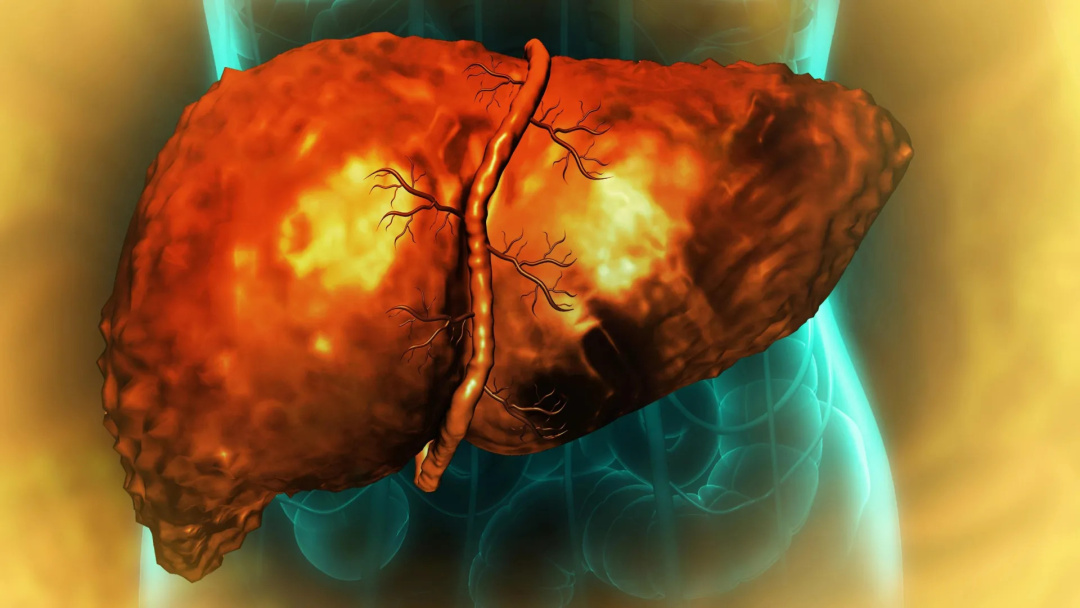
The study revealed that individuals exposed to PCE were three times more likely to experience significant liver fibrosis, a condition characterized by the buildup of scar tissue in the liver. This scarring can impair liver function and may lead to severe health issues, including liver failure and cancer. The researchers noted a clear correlation: as the levels of PCE in a person's blood increased, so did the likelihood of developing significant liver fibrosis.
Dr. Brian P. Lee, the lead author of the study and a hepatologist at Keck Medicine, emphasized the importance of recognizing environmental factors in liver health. He stated, "This study, the first to examine the association between PCE levels in humans and significant liver fibrosis, underscores the underreported role environmental factors may play in liver health."
PCE is a synthetic, colorless liquid known for its effectiveness in dissolving grease, which has made it a staple in dry cleaning and various industrial processes. One of the primary exposure routes for individuals is through inhalation, particularly from dry-cleaned clothing that gradually releases PCE into the air. Additionally, PCE can contaminate drinking water through spills or improper disposal, posing another risk of exposure.
Concerns regarding PCE are not new. The International Agency for Research on Cancer has classified it as a probable carcinogen, linking it to bladder cancer and other health issues. The U.S. Environmental Protection Agency (EPA) is currently implementing a 10-year phaseout of PCE in dry cleaning and has introduced regulations to limit its use in other applications.
In their investigation, the researchers analyzed data from the National Health and Nutrition Examination Survey (NHANES), focusing on blood samples from individuals aged 20 and older collected between 2017 and 2020. Approximately 7% of the participants had detectable levels of PCE in their blood. The study found that those with measurable PCE exposure had a significantly higher incidence of liver fibrosis, even after controlling for variables such as age, sex, and socioeconomic status.
Interestingly, the study also uncovered an unexpected socioeconomic pattern, revealing that individuals from higher-income households were more likely to have been exposed to PCE. This could be attributed to increased use of dry cleaning services among wealthier individuals, as well as heightened exposure for workers in dry cleaning facilities.
The findings raise important questions about unexplained cases of liver disease, particularly among individuals who do not have traditional risk factors such as alcohol consumption or obesity. Dr. Lee noted, "Patients often wonder how they can have liver disease without drinking or having the typical health conditions associated with it, and PCE exposure may be the answer."
While the study does not definitively prove that PCE causes liver fibrosis, the strong correlation and the increased risk associated with higher blood concentrations warrant further investigation into the effects of environmental chemicals on liver health. Dr. Lee advocates for future research to explore the impact of various environmental toxins on the liver, stating, "There are undoubtedly other toxins in our environment that pose risks to liver health."
The hope is that increased awareness of the connection between PCE exposure and liver fibrosis will lead to earlier detection and better outcomes for individuals at risk. By screening more individuals with PCE exposure for liver fibrosis, healthcare providers may be able to identify liver disease sooner, potentially improving recovery prospects for affected patients.