AI-Developed Drug Rentosertib Shows Potential to Influence Aging Markers in Clinical Trial

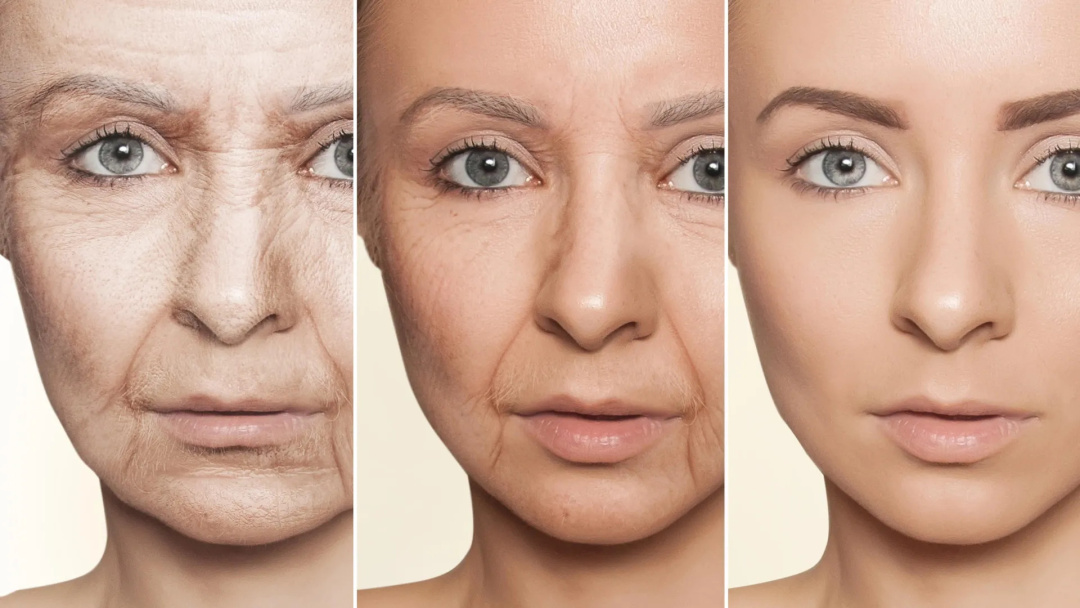
In a notable development in the realm of pharmaceuticals, an AI-generated drug named rentosertib has shown promising signs of influencing biological aging markers in a recent clinical trial. Developed by Insilico Medicine, this experimental drug was initially designed to treat idiopathic pulmonary fibrosis, a condition that progressively scars the lungs. The findings were published in a study in Nature Biotechnology on September 7, which revisited data from a phase 2a trial involving 71 patients in China. Out of these, 42 participants, with an average age of approximately 67, were analyzed for changes in their biological age over a period of 12 weeks.
Researchers utilized six different aging clocks—computational models that estimate biological age based on blood protein levels—to evaluate the effects of rentosertib. The results indicated that all six models detected a shift toward younger predicted ages in patients receiving the drug, while those on a placebo exhibited minimal changes or slight increases in biological age. Notably, patients taking a daily dose of 60mg showed reductions in biological age ranging from approximately 2.7 to 3.5 years on four of the chronological-age clocks, although the mortality-based clocks did not indicate significant changes. The 30mg twice-daily dosage appeared to yield the most consistent results overall.
Despite these intriguing findings, the researchers emphasized that the observed changes in aging markers do not guarantee a longer lifespan or improved health outcomes. They acknowledged the challenge of disentangling the effects of rentosertib on aging from its impact on lung disease, indicating that further research is necessary to determine the drug's efficacy in individuals without this condition. Additionally, the study's implications extend to the broader context of aging research, as it aligns with previous advancements in blood tests aimed at estimating the aging rate of individual organs. Such tests could potentially aid in identifying disease risks, but translating younger biological age results into tangible health benefits remains a critical hurdle.
Insilico Medicine is already planning a phase 3 trial targeting lung disease, which is expected to enroll 320 participants and assess changes in lung function over a 52-week period. It is important to note that rentosertib is still under investigation and has not yet received regulatory approval. The findings come at a time when there is growing optimism surrounding AI's role in longevity research, with futurists like Peter Diamandis suggesting that significant advancements in lifespan extension could be achieved in the coming years. This optimism is echoed by individuals like Bryan Johnson, who is actively exploring AI-developed drugs as a means to enhance human longevity. However, the scientific community remains cautious, urging for more rigorous studies to validate these early findings and their implications for health and aging.