Study Reveals Enhanced Aroma Perception in Virtual Reality Simulation of ISS
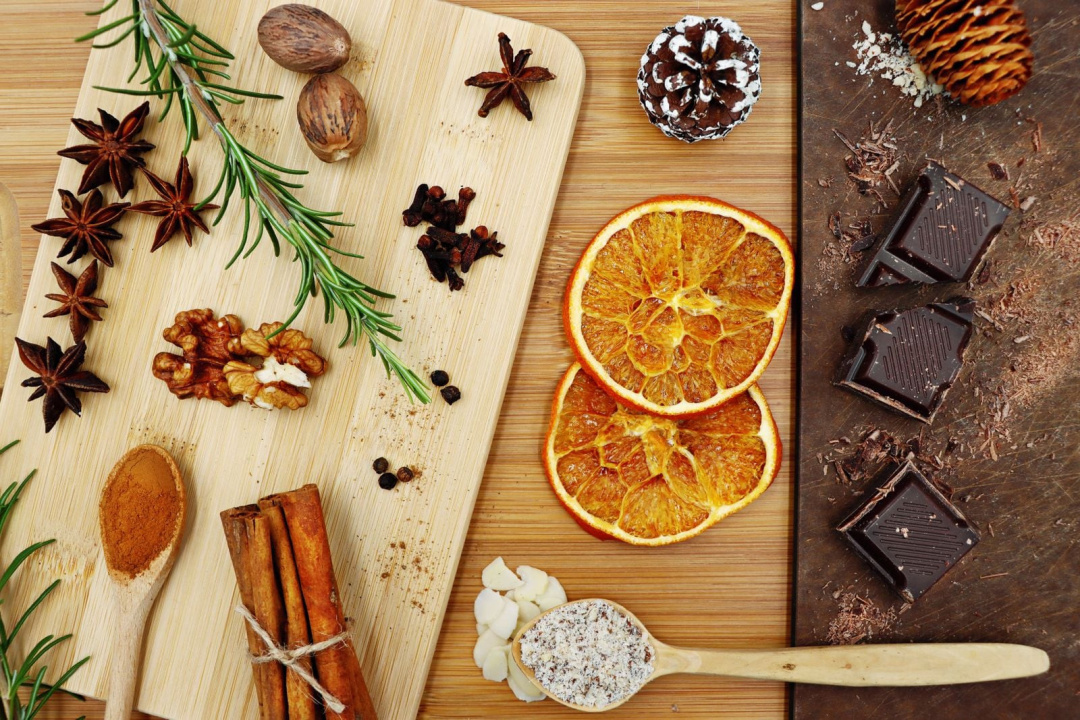
In a groundbreaking study conducted at RMIT University, fifty-four volunteers participated in an experiment designed to assess how aromas are perceived in a virtual reality (VR) simulation of the International Space Station (ISS). Wearing VR goggles, participants were immersed in a reconstruction of the ISS while sniffing cotton balls soaked in vanilla extract, almond extract, and lemon essential oil. The results indicated that the sweet aromas of vanilla and almond were perceived as significantly stronger within the VR environment compared to a neutral room, which contradicts the common astronaut complaints that food in orbit tastes bland.
The research, led by Dr. Julia Low from the School of Science at RMIT, was published in the International Journal of Food Science and Technology in July 2024. This study is notable as it represents the first attempt to investigate food aroma perception in a space context without the need for actual space travel. The VR simulation was developed using Unity by students from RMIT’s School of Computing Technology, and it was conducted in the university’s Virtual Experiences Lab, which aimed to replicate the cluttered and confined atmosphere described by astronauts.
Participants were presented with two milliliters of vanilla extract, two milliliters of almond extract, and one milliliter of lemon essential oil. The lemon oil was dosed lower to ensure that all three aromas were perceived at roughly equal intensity. The study design included randomization of the aroma presentations and a palate-clearing exercise where participants sniffed the back of their own hands between samples. A familiarity questionnaire was also used to prevent participants from guessing the purpose of the study.
The results showed that vanilla was rated significantly more intense in the VR context than in the neutral setting, with a p-value of 0.009, while almond had an even lower p-value of 0.001. In contrast, lemon did not show any significant difference in perception across the two environments.
The researchers hypothesized that the shared compound benzaldehyde, present in both vanilla and almond, may contribute to the heightened aroma perception in the VR setting. Associate Professor Jayani Chandrapala, a food chemistry specialist and co-author of the study, noted that the sweet aroma could be more pronounced in the immersive environment.
The second phase of the research involved a follow-up study with forty-four participants, which expanded the range of aromas tested to include lemon myrtle, eucalyptus, peppermint, vinegar, and lemongrass. This study also confirmed that the VR context produced stronger intensity ratings for most odours compared to a reclined posture mimicking microgravity, except for lemongrass.
Interestingly, while emotional responses were measured, they did not significantly affect how intense the odours were perceived. The findings suggest that the perception of aromas in space may be influenced by the psychological context of the environment rather than just physiological factors.
Dr. Low's team is continuing to explore the implications of these findings, particularly in relation to how aroma perception could affect food consumption during long space missions. Given that astronauts often consume less food than recommended, understanding how to enhance aroma perception could be crucial for future missions, especially those to Mars, where the psychological and physiological challenges are expected to be more pronounced.
The study highlights the potential for VR technology to provide insights into sensory experiences in confined environments, with possible applications extending beyond space to settings such as nursing homes and hospitals, where olfactory function may be diminished. However, the research also notes limitations, including the small sample size and the artificial nature of the VR environment, which may not fully replicate the complexities of actual space conditions.