Bananas and Diabetes: Understanding the Role of Ripeness and Portion Size
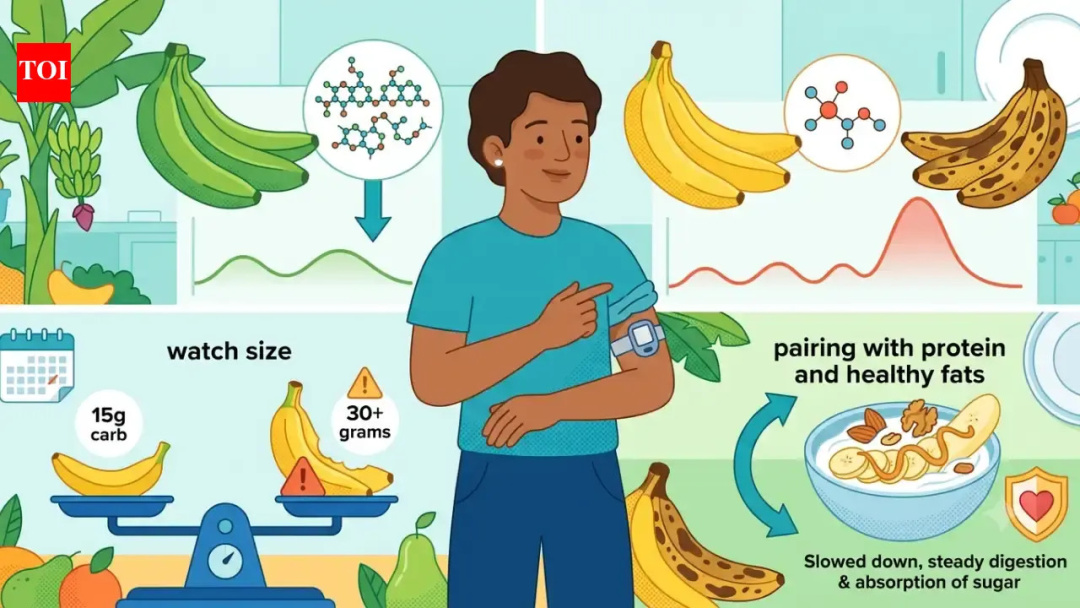
Bananas, often perceived as a fruit to avoid for those managing diabetes, may not be as harmful as commonly thought. The critical factors influencing their impact on blood sugar levels include the ripeness of the banana and the portion size consumed. Dr. Nandini Shankara Narayana, a consultant in endocrinology, emphasizes that people with diabetes do not need to eliminate carbohydrates entirely; rather, the type and quantity of carbohydrates are what matter most. A medium-sized banana contains approximately 25 to 30 grams of carbohydrates and about 3 grams of fiber. Interestingly, unripe or green bananas have a lower glycemic index (GI) due to their higher resistant starch content, which breaks down more slowly and is absorbed less rapidly than the sugars found in ripe bananas. This distinction complicates the notion that bananas are universally bad for diabetes. For individuals who experience significant blood sugar spikes after meals, consuming a smaller portion, such as half a banana or opting for an unripe banana, may be a more effective strategy than complete avoidance. Additionally, pairing bananas with protein or healthy fats, such as Greek yogurt, nuts, or avocado, can help mitigate their glycemic impact. The method of consumption also plays a crucial role; a whole banana provides fiber and essential nutrients, while a banana shake with added sugars can significantly increase the carbohydrate load. Dr. Nandini notes that carbohydrates are not inherently harmful and are a vital energy source, suggesting that the focus should be on the quality and quantity of carbohydrates consumed. Ultimately, whether bananas are suitable for someone with diabetes depends on individual circumstances, including their blood sugar responses and overall dietary patterns. Therefore, moderation and mindful combinations of foods are key to incorporating bananas into a balanced diet for those managing diabetes. This nuanced understanding encourages individuals to view bananas not as forbidden fruit but as a potential part of a healthy diet when consumed thoughtfully.