Study Links High Phytochemical Intake to Reduced Ovarian Cancer Risk in Women
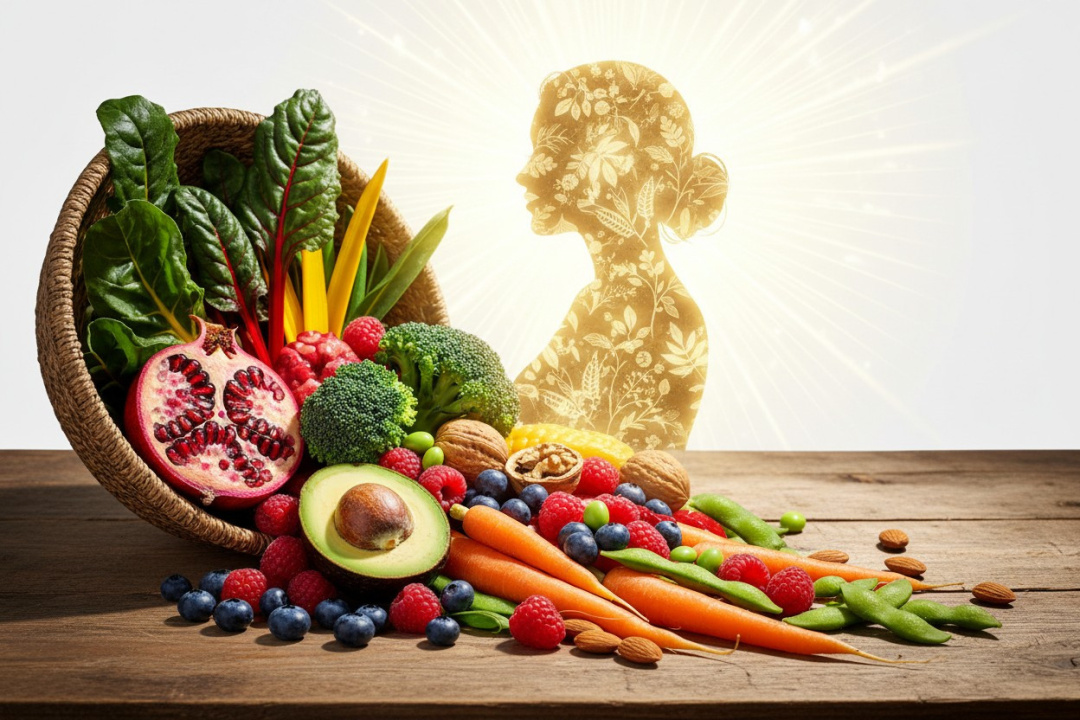
A recent case-control study conducted in China and published in Frontiers in Nutrition has found that women who consume high levels of phytochemicals from food have a 31% lower risk of developing ovarian cancer compared to those with the lowest intake. This study involved 250 women diagnosed with epithelial ovarian cancer, the most common form of the disease, and 250 matched controls who did not have cancer. Researchers utilized food frequency questionnaires to estimate the intake of plant compounds from various sources, including fruits, vegetables, whole grains, legumes, nuts, seeds, and soy.
The study's findings indicate that the association between high phytochemical intake and lower ovarian cancer risk remained significant even after controlling for factors such as age, body weight, physical activity, and reproductive history. Notably, a stronger inverse association was observed among women who were overweight or living with obesity. This adds to the growing body of research that examines diet as a modifiable factor in cancer risk. However, the authors caution that the observational design of the study prevents definitive conclusions about cause and effect.
Participants were recruited from hospitals or clinics, with those recently diagnosed with epithelial ovarian cancer assigned to the case group, while cancer-free women matched by age and geographical region formed the control group. Detailed food questionnaires were utilized to estimate dietary intake, and participants were categorized into tertiles based on their estimated phytochemical consumption. The analysis revealed a dose-response relationship: as phytochemical intake increased, the odds of ovarian cancer decreased linearly, with an odds ratio of 0.69 for the highest versus lowest tertile.
The study emphasized that the link between phytochemical intake and ovarian cancer risk was independent of several established risk factors, including reproductive history and physical activity levels. Phytochemicals, which are naturally occurring compounds produced by plants, include flavonoids, carotenoids, glucosinolates, and isoflavones. Common sources of these compounds are berries, leafy greens, carrots, tea, olive oil, nuts, soy, and whole grains. The researchers noted that their assessment focused on overall phytochemical intake rather than individual compounds, reflecting the complexity of food sources that contain various bioactive molecules.
While some phytochemicals have been shown to modulate oxidative stress and inflammation, the study authors highlighted that varied consumption of plant foods may be more beneficial than focusing on any single "superfood." They also acknowledged the limitations of their study, including the potential for recall bias, as participants reported their dietary intake after a cancer diagnosis, which could influence their responses. Additionally, the study did not account for all possible confounding factors, such as socioeconomic status or total energy intake.
Officials from the American Cancer Society noted that while diet is one of several modifiable risk factors for ovarian cancer, further clinical and mechanistic research is necessary to confirm any protective effects. The study's authors concluded that individuals do not need to meticulously track phytochemical counts; instead, they should aim to incorporate more plant foods into their meals. Simple strategies suggested include adding berries to breakfast, incorporating beans or lentils into soups and salads, choosing whole grains like quinoa or whole-wheat bread, and snacking on nuts and seeds. Incorporating soy products such as tofu, edamame, and tempeh can also enhance isoflavone and phytochemical intake.
A spokesperson for the Academy of Nutrition and Dietetics noted that a plant-forward diet, which allows for occasional animal products, supports overall metabolic health and may reduce chronic disease risk without necessitating the complete exclusion of animal foods. The study authors concluded that while more research is needed to ascertain whether diet itself influences ovarian cancer risk, their findings support the idea of consuming a diverse array of plant foods as part of a healthy dietary pattern.