Research Links Animal Feed Diversity to Improved Human Health Outcomes
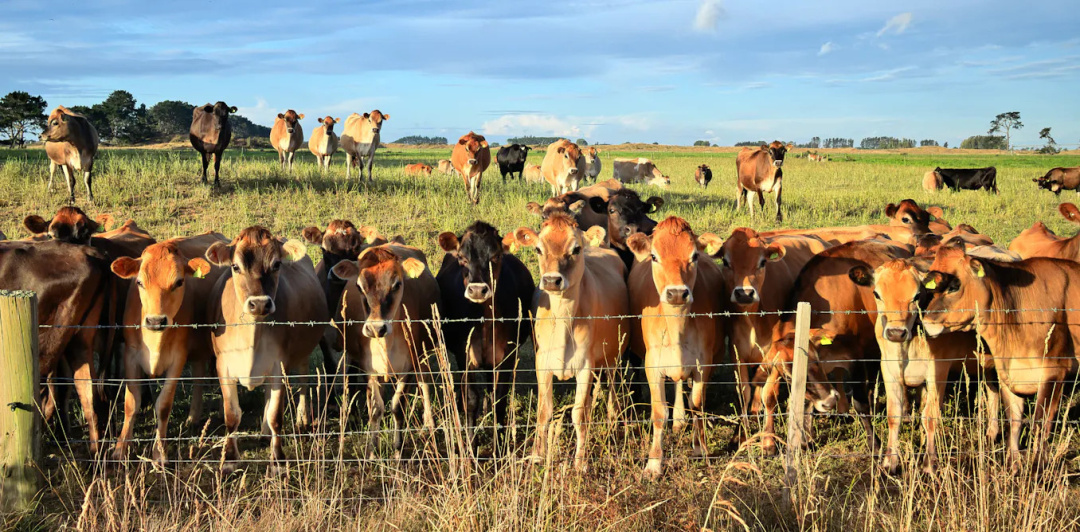
Several chronic diseases, including obesity, cardiovascular disease, type 2 diabetes, and certain cancers, have been increasingly linked to diets high in processed foods that lack diversity and nutritional value. This trend poses significant challenges for healthcare systems globally, including in New Zealand. As a result, there is a pressing need for prevention strategies that extend beyond individual consumer behavior to encompass broader food systems and environments. Research indicates a growing recognition of the interconnectedness between human health, animal health, and the health of the land used for farming. This perspective challenges the traditional view of landscapes as mere sites for food production.
A research team has been exploring innovative food-production systems that integrate health considerations into farming practices, aiming to create what they term "healthscapes." The goal is to transition from current agricultural practices to systems that enhance health on multiple levels, including soil, plant, animal, human, and community health. In New Zealand, conventional pasture-based farming often relies on uniform feed systems dominated by grass monocultures, which can compromise animal welfare and nutrition.
One key practice in integral health farming is known as "functional diversity," which involves the use of multiple forage species over time and space. This approach includes various grasses, herbs, legumes, and soil bio-stimulants, allowing animals to meet their nutritional and medicinal needs while also improving soil health.
Research conducted in a pastoral livestock production laboratory has compared conventional grazing methods with multispecies and functional-diversity systems in sheep, cattle, and deer. Findings indicate that functional diversity leads to improved growth, feed efficiency, milk production, and overall animal welfare. Additionally, these systems significantly reduce nitrogen loss to the environment, with reductions of approximately 30% in sheep and 42% in dairy cows.
The research also sought to determine whether changes in grazing management could alter the biochemical composition of animal products. Analysis of milk, beef, lamb, and venison from different grazing systems revealed that milk from cows grazing on functional-diversity pastures contained higher levels of beneficial compounds that support energy metabolism and overall health. These compounds are crucial for maintaining muscle and heart function and preventing dangerous drops in blood sugar levels.
Moreover, functional diversity in grazing systems was associated with a reduction in a compound linked to increased risks of heart disease and dementia. Venison from deer grazing in these systems exhibited even more significant changes, including a 27-fold increase in antioxidant and anti-inflammatory properties, and a 59-fold rise in metabolites linked to stress regulation and mental health.
To assess whether these differences in animal products translate into health benefits for consumers, the researchers conducted randomized feeding trials. Participants consumed beef or lamb from animals raised on different grazing systems, allowing each individual to serve as their own control. Blood samples taken before and after meals demonstrated that those consuming beef from functional-diversity systems showed improved levels of metabolites associated with cholesterol metabolism and reduced kidney stress, as well as compounds that may lower the risk of colon cancer.
Similar benefits were observed in participants consuming lamb from these systems, with profiles indicating enhanced neuroprotection, cardiovascular health, and antioxidant defense. Overall, the research underscores the potential for grazing systems to influence the body's response to food, which may play a role in preventing or alleviating chronic diseases. The integral health farming approach suggests that agriculture can contribute to future public health strategies by providing food with higher biological value while also promoting environmental sustainability and animal welfare. In essence, the farm can become an integral part of the public health system, fostering a connection between healthy landscapes and healthy people.