GLP-1 Weight-Loss Drugs May Alleviate Sleep Apnea Symptoms
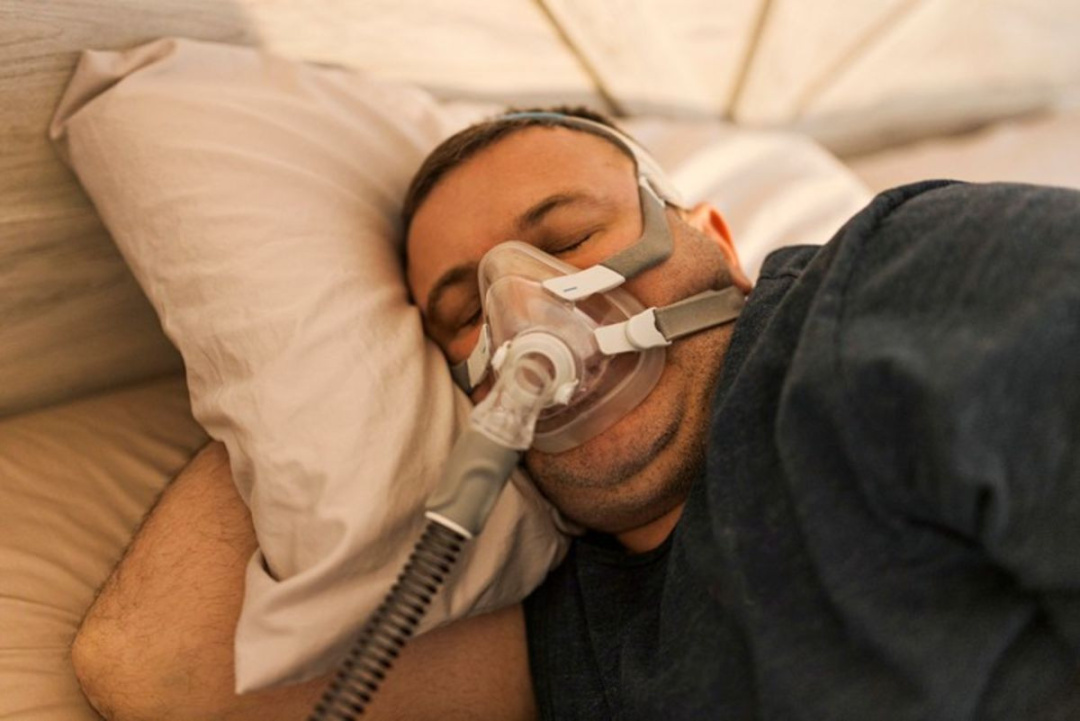
Recent findings published in JAMA Otolaryngology indicate that GLP-1 weight-loss drugs may offer additional benefits beyond weight reduction, particularly in alleviating symptoms of sleep apnea. The review examined clinical trials involving tirzepatide, commonly known as Zepbound and Mounjaro, and reported that participants experienced a reduction of 20 to 24 breathing interruptions per hour compared to those on a placebo. Notably, nearly half of the participants achieved remission from their sleep apnea symptoms.
Obstructive sleep apnea is a serious condition characterized by repeated airway blockages during sleep, affecting nearly one billion adults globally and associated with significant health risks such as heart disease and stroke. Researchers from the University of Pittsburgh Medical Center suggest that the observed improvements in sleep apnea severity with GLP-1 drugs are largely driven by weight loss, particularly the reduction of fat around the throat and tongue, which helps maintain an open airway during sleep.
Historically, obesity has been a major contributing factor to obstructive sleep apnea, and until recently, there were no medications specifically targeting this issue. However, the landscape changed in 2024 when the U.S. Food and Drug Administration approved Zepbound for the treatment of moderate to severe obstructive sleep apnea in adults with obesity.
While the results of this review are promising, the researchers caution that CPAP machines, which remain the standard treatment for sleep apnea, were found to be more effective than GLP-1 medications in reducing breathing interruptions. Consequently, they recommend that GLP-1 drugs be viewed as a complementary therapy to CPAP and other established treatments, rather than a replacement. This nuanced understanding of treatment options is crucial for patients managing both obesity and sleep apnea, highlighting the importance of a comprehensive approach to care.