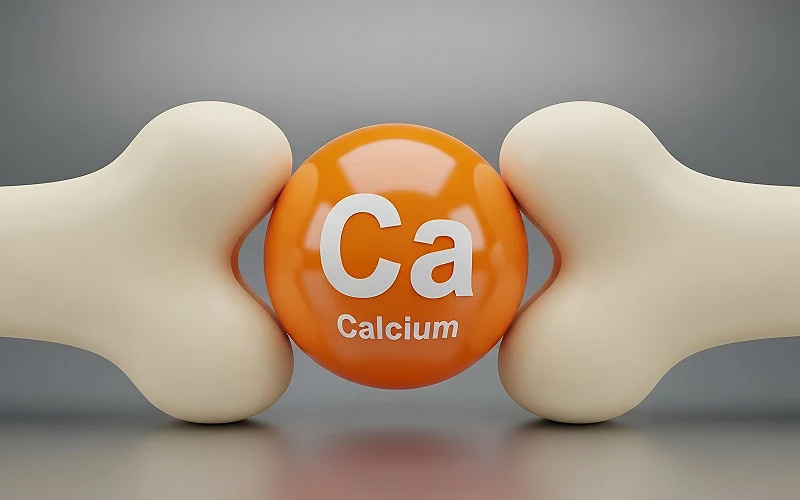
Essential Non-Dairy Foods for Strong Bones

Dairy products have long been considered the gold standard for promoting strong bones due to their high calcium content. However, it is important to recognize that there are many non-dairy options available that can also provide the necessary nutrients for maintaining bone health. Incorporating a variety of foods into your diet can help ensure that you receive essential nutrients for bone strength, whether or not you consume dairy products.
Leafy greens such as kale, collard greens, and bok choy are excellent plant-based sources of calcium. In addition to calcium, these greens are rich in vitamin K, a nutrient that plays a crucial role in bone formation and mineralization. Regularly including a serving of these greens in your meals, whether sautéed, blended into smoothies, or added to salads, can significantly support your bone health.
Tofu, particularly when made with calcium sulfate, can provide a calcium content comparable to that of milk. A single serving of tofu can deliver as much or even more calcium than a glass of milk, along with magnesium, which is vital for bone formation and calcium regulation in the body. Its versatility makes tofu an easy addition to various dishes, from stir-fries to baked meals.
Sardines are another nutrient-dense option for those who consume seafood. They are unique in that their soft, edible bones provide a highly absorbable source of calcium. Additionally, sardines are rich in vitamin D, which is essential for calcium absorption, and they contain protein that supports bone structure. The omega-3 fatty acids found in sardines also help reduce inflammation, indirectly benefiting bone health.
Tahini, made from ground sesame seeds, is a surprisingly rich source of calcium and magnesium. Magnesium is particularly important for bone formation and helps maintain calcium balance in the body. Tahini can easily be incorporated into your diet by drizzling it over roasted vegetables, mixing it into salad dressings, or blending it into sauces for added flavor and nutritional benefits.
Eggs are another accessible source of bone-supporting nutrients. The yolk contains small amounts of vitamin D, one of the few food sources of this nutrient, while the whole egg provides high-quality protein. Although eggs alone may not fulfill your vitamin D needs, they can contribute to your overall intake when combined with other sources.
White beans, such as cannellini or navy beans, offer a well-rounded mix of nutrients beneficial for bone health. They provide calcium, magnesium, and potassium, which may help reduce calcium loss from bones by supporting a balanced acid-base environment in the body. The fiber and protein content of beans also makes them a satisfying addition to meals.
While a well-planned diet is crucial, many individuals may still struggle to meet their needs for certain bone-supporting nutrients, particularly vitamin D. Since vitamin D is found in relatively few foods, supplementation can be beneficial, especially during winter months or for those who spend most of their time indoors. A high-quality multivitamin can also help fill in nutritional gaps, providing magnesium and vitamin K that are important for maintaining strong bones.
In summary, dairy is not essential for building or maintaining strong bones. Foods that are rich in protein, vitamin D, calcium, and magnesium, such as those mentioned here, are all important for bone health. Additionally, engaging in strength training is a key factor in promoting the growth of new bone tissue.