Beijing Study Reveals Spirulina's Potential in Enhancing Muscle Recovery
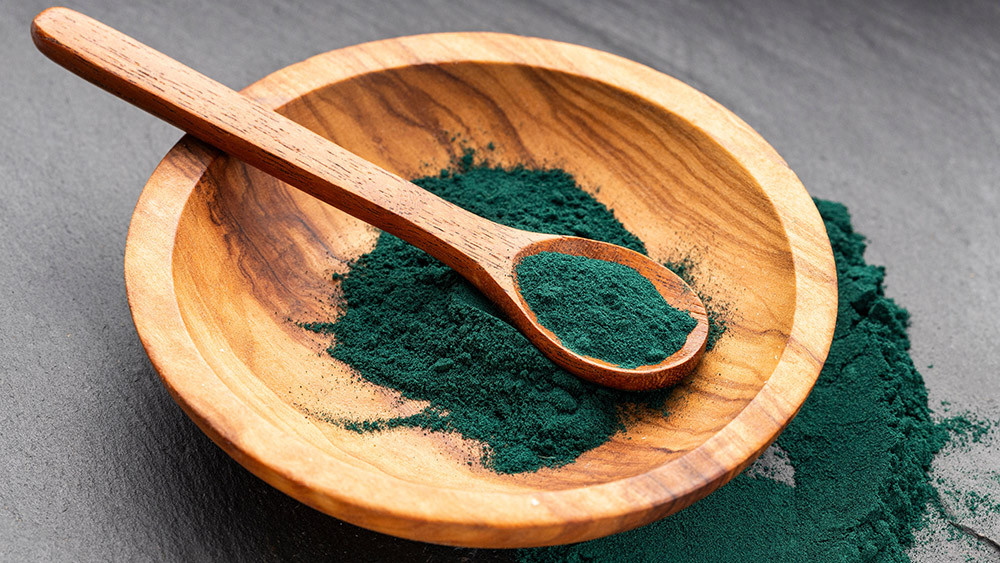
A comprehensive analysis conducted by researchers at Beijing Sport University has revealed promising evidence that spirulina, a type of pond algae, can enhance muscle recovery and performance in athletes. The review encompassed 22 randomized trials that focused on the effects of spirulina, chlorella, and similar algae on exercise performance among healthy adults and athletes. The findings challenge traditional notions surrounding muscle recovery strategies.
The results indicated that spirulina had the most significant impact on reducing muscle damage markers, particularly creatine kinase, after resistance training sessions. Participants who supplemented with spirulina demonstrated a notably improved time to exhaustion during endurance tests, suggesting enhanced performance capabilities.
While both spirulina and chlorella exhibited beneficial effects, they appeared to operate through different mechanisms. Spirulina was particularly effective in reducing inflammation and muscle tissue damage, largely attributed to its high levels of phycocyanin, a powerful antioxidant. Conversely, chlorella showed superior results in enhancing raw aerobic capacity.
One standout trial highlighted within the analysis showed that spirulina supplementation altered the fuel utilization in runners during two hours of steady running, leading participants to rely more on stored fat rather than carbohydrates compared to a placebo group. This metabolic shift allowed them to maintain their efforts longer during subsequent sprint tests, as fat reserves can sustain energy longer than glycogen stores.
However, not all performance metrics showed improvement. In real-world race-pace simulations, no statistically significant benefits were observed from algae supplementation, indicating that the positive effects may be more pronounced in controlled laboratory settings than in actual competitive environments.
Strenuous physical activity often leads to an increase in reactive oxygen species, which can damage muscle tissue and contribute to post-exercise soreness. Spirulina's phycocyanin helps neutralize these harmful molecules, thereby reducing tissue damage and promoting faster recovery.
Additionally, spirulina is a rich source of highly absorbable iron and protein, both of which are essential for oxygen transport during endurance activities. Unlike many plant foods that contain phytates and oxalates that hinder iron absorption, spirulina may account for the observed increases in hemoglobin levels among exercisers, even those who are not anemic.
Supporting these findings, a separate animal study from Ningbo University demonstrated that mice receiving high-concentration spirulina supplements while undergoing intense exercise exhibited 1.27 times greater tensile strength compared to those receiving saline. The muscle fibers of the supplemented mice were more orderly, and their liver cells remained tightly packed, contrasting with the damage observed in the unsupplemented group.
The review emphasized that the benefits of spirulina depend significantly on consistent usage over several weeks, rather than on single doses before workouts. Most effective trials utilized one to two grams daily, mixed into shakes or food, with the most notable recovery advantages appearing after resistance training rather than steady cardio sessions.
Interestingly, gut health may also play a role in these benefits. The Ningbo University study found that spirulina supplementation increased the diversity and richness of gut microbiota in exercised mice, with beneficial bacterial groups expanding while harmful populations declined. These microbial changes correlated with improved oxidative stress markers and enhanced physical performance.
Researchers cautioned that individual responses to spirulina can vary based on the type of algae, dosage, and personal training background, indicating that not everyone may experience the same results. They also noted that spirulina should complement, rather than replace, essential recovery practices such as rest, hydration, and sleep.
For athletes and active individuals seeking natural alternatives to pharmaceutical-grade recovery aids, spirulina presents an appealing option: a low-cost, naturally derived supplement backed by an expanding body of evidence. Researchers at Ningbo University are currently conducting a two-month clinical trial with college students and football players to further explore these findings and determine whether spirulina can transition from a fringe supplement to a standard recovery protocol.