Review Highlights Health Benefits of Fermented Foods Through Postbiotics
A narrative review published on June 27, 2026, in Frontiers in Nutrition has brought to light the health benefits of fermented foods, linking them to a complex network of bioactive compounds produced during the fermentation process. Researchers noted that while the evidence is promising, additional long-term human studies are necessary to fully establish cause-and-effect relationships regarding these benefits.
The review highlights that the fermentation process, which involves microorganisms such as lactic acid bacteria, transforms proteins, carbohydrates, and fibers in food into beneficial compounds. These include bioactive peptides, which can influence blood sugar regulation and inflammation, as well as short-chain fatty acids (SCFAs) like acetate, propionate, and butyrate, which serve as chemical messengers. Furthermore, exopolysaccharides (EPS) interact with the gut's immune system, and organic acids create a favorable environment for beneficial bacteria.
This biochemical transformation distinguishes fermented foods from their unfermented counterparts. For instance, dairy fermentation reduces lactose content, making products like yogurt and kefir more digestible for those with lactose intolerance. Similarly, fermentation of legumes enhances nutrient availability and generates bioactive peptides.
The review suggests that the compounds produced during fermentation may help restore microbial diversity in the gut and support beneficial strains such as Akkermansia and Bifidobacterium. By reinforcing the gut lining, these postbiotic compounds may reduce intestinal permeability, potentially preventing lipopolysaccharide (LPS) from leaking into the bloodstream, which is linked to chronic low-grade inflammation associated with metabolic diseases.
Importantly, the findings challenge the common assumption that only live bacteria confer health benefits. The review indicates that postbiotics—soluble factors or bioactive compounds released by probiotics—remain biologically active regardless of whether the microbes are alive at the time of consumption. This means that even fermented foods that have undergone pasteurization can still provide functional benefits through their constituent peptides, SCFAs, and other metabolites.
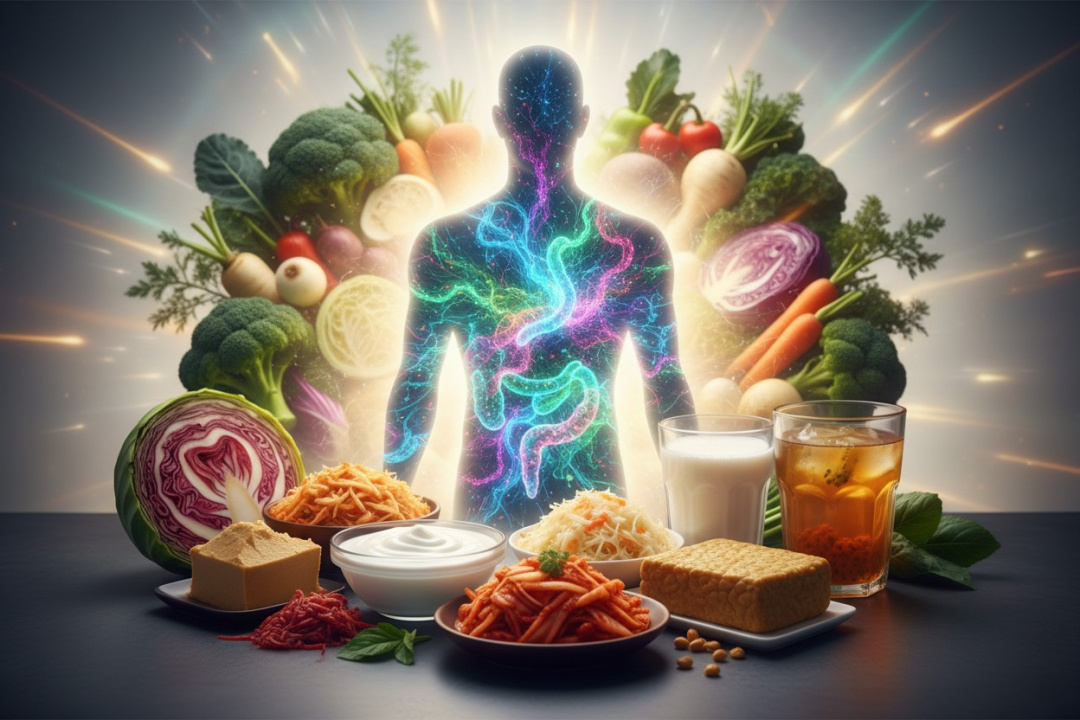
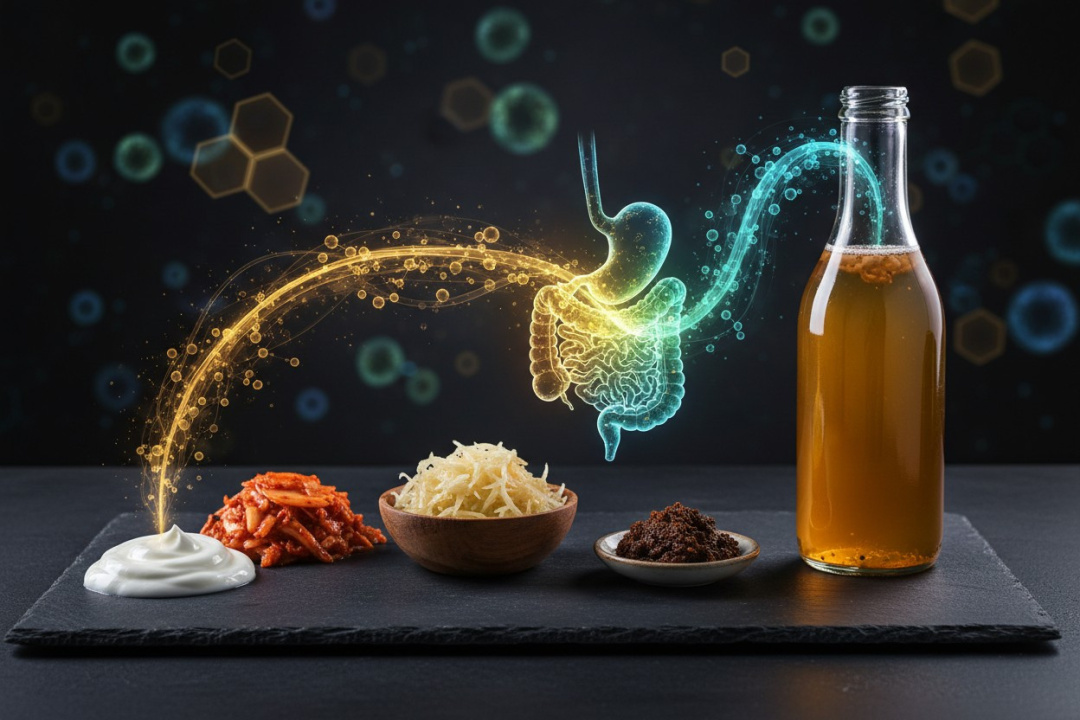
The review notes that not all fermented foods produce the same profile of bioactive compounds. For example, dairy ferments like yogurt and kefir are rich in bioactive peptides and are associated with improved heart health and a reduced risk of Type 2 diabetes. In contrast, fermented vegetables such as kimchi and sauerkraut primarily produce organic acids and compounds with antioxidant properties. Legume ferments like miso and natto enhance nutrient availability, while cereal ferments such as sourdough contribute EPS and B vitamins, aiding in mineral absorption. Fermented teas like kombucha offer a mix of organic acids, polyphenols, and microbial metabolites.
The review concludes that fermented foods operate through a coordinated network of postbiotic compounds—including peptides, SCFAs, EPS, and organic acids—that can simultaneously influence the gut, immune system, and metabolism. While the findings are promising, the authors stress the need for further long-term human trials to solidify causal links between specific fermented foods and health outcomes. To maximize potential benefits, the review recommends consuming a variety of fermented foods across categories and pairing them with fiber-rich plants, as prebiotic fiber serves as fuel for the beneficial bacteria supported by fermented foods.