Daily Nut Consumption Linked to Reduced Hypertension Risk, Study Finds
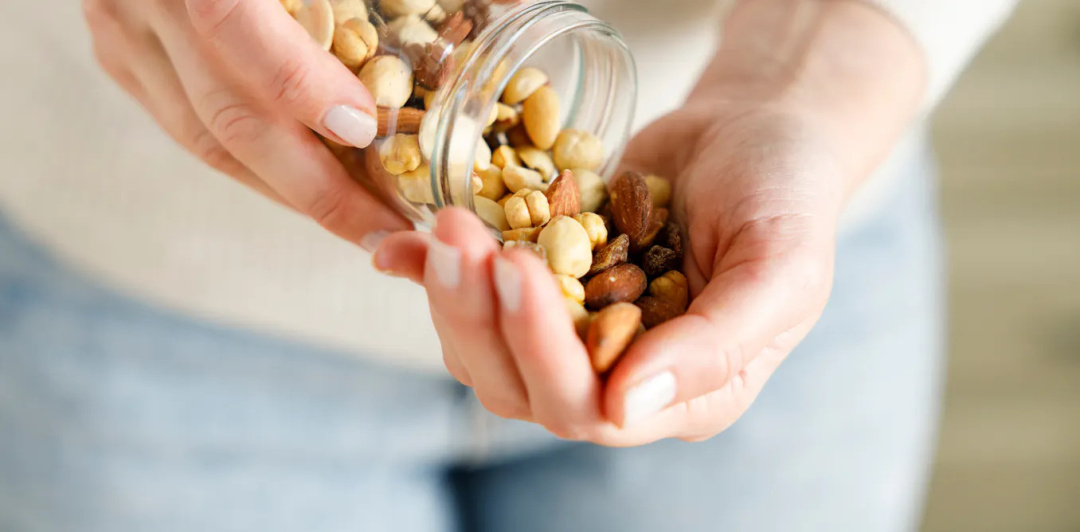
High blood pressure, or hypertension, affects more than 1.4 billion people globally and is a leading risk factor for serious health issues such as heart attacks and strokes. Research has shown that dietary choices play a crucial role in managing this condition. A recent study published in the British Journal of Nutrition highlights the benefits of including nuts in daily diets. The analysis pooled data from 143,000 individuals, including over 20,000 with hypertension, revealing that consuming around a handful of nuts daily—specifically 30-35 grams—was associated with a 26% lower risk of developing high blood pressure compared to those who did not eat nuts.
Previous studies have established links between various plant foods and lower hypertension risk. For example, consuming fruits and vegetables, particularly in quantities of about 800 grams daily, can reduce hypertension risk by 11%. Whole grains, legumes, and soy products have also been shown to contribute to lower risks of hypertension. However, the impact of nuts had not been thoroughly investigated until this recent study.
Nuts are rich in potassium, fiber, L-arginine, and polyphenols, all of which are beneficial for heart health. Potassium helps regulate blood pressure by promoting sodium excretion and relaxing blood vessels, while fiber supports gut health and the production of short-chain fatty acids that can lower blood pressure. The presence of L-arginine aids in the production of nitric oxide, which helps widen blood vessels, and polyphenols have been associated with cardiovascular benefits.
Despite their energy density, nuts are linked to lower obesity rates, which is another risk factor for hypertension. The study emphasizes that while nuts can be a powerful addition to a heart-healthy diet, they should be part of a broader dietary pattern that includes a variety of plant-based foods. Diets such as the DASH, Mediterranean, and plant-based diets exemplify this approach by incorporating diverse plant foods.
It's important to note that the study's observational nature means it cannot definitively establish causation between nut consumption and reduced hypertension risk. While the analysis accounted for various lifestyle factors, the possibility remains that individuals who consume more nuts also engage in other healthy behaviors. Randomized controlled trials, such as those examining the DASH diet, lend credibility to the findings by demonstrating the benefits of dietary changes on blood pressure.
Additionally, the research indicates gaps in knowledge, particularly regarding the types of nuts consumed. The studies did not differentiate between salted and unsalted nuts, suggesting that the benefits of unsalted nuts may be even greater. Most data were sourced from Europe, the Americas, and East Asia, highlighting the need for more diverse studies, especially in regions like Africa and India.
In conclusion, incorporating a handful of unsalted nuts into your daily diet can be a practical and affordable way to contribute to heart health. This simple habit, along with a diet rich in fruits, vegetables, whole grains, and legumes, can collectively help reduce the risk of hypertension, one of the significant health challenges of our time.