GLP-1 Weight Loss Drugs Linked to Reduced Physical Activity and Muscle Mass
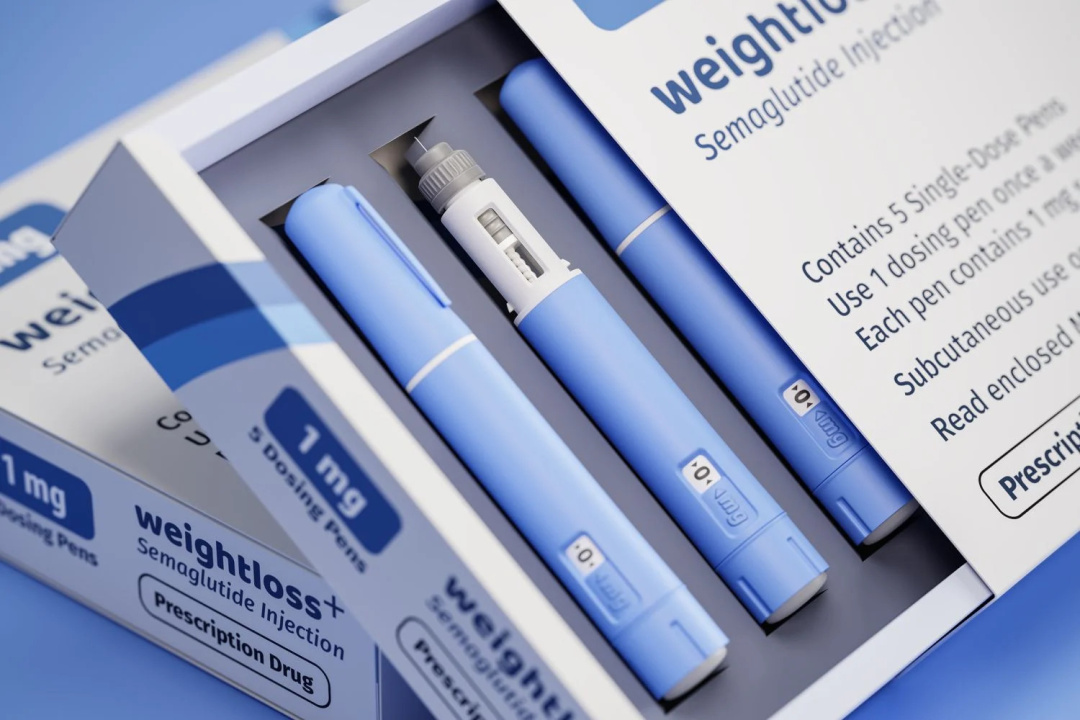
Recent findings from a study presented at the Endocrine Society’s ENDO 2026 meeting indicate that adults using GLP-1 weight loss drugs, including popular options like Ozempic, Wegovy, Mounjaro, and Zepbound, experienced a significant reduction in their daily physical activity levels despite losing weight. This challenges the common assumption that weight loss naturally leads to increased activity. The research, which analyzed data from wearable devices alongside electronic health records, found that participants' average daily steps decreased from 5,047 to 4,487 after starting treatment, while their time spent in moderate-to-vigorous physical activity dropped from 28 minutes to 22 minutes per day.
The study highlights the dual concern of weight loss accompanied by decreased muscle mass and activity. GLP-1 medications are known to reduce both body fat and lean muscle mass, which are crucial for maintaining strength, balance, and overall physical function. Dr. Sajana Maharjan, the study leader, emphasized that the findings stress the importance of incorporating exercise into the routine of individuals using these medications, as weight loss alone does not guarantee improved health outcomes.
Moreover, the research revealed that the decline in physical activity was more pronounced among certain groups, particularly men and those experiencing joint or muscle pain. This suggests that for individuals already facing mobility challenges, losing weight may not alleviate the barriers to physical activity.
The implications of these findings are significant, as they underscore the need for a holistic approach to weight management that goes beyond simply monitoring the scale. It is essential to focus on preserving muscle mass and encouraging regular movement to support long-term health. The study advocates for a shift in perspective, encouraging individuals to track their daily movement and strength rather than relying solely on weight as a measure of success.
Additionally, the research points to the body's inherent systems for regulating appetite and metabolism, suggesting that supporting gut health and the production of butyrate—a short-chain fatty acid produced by beneficial gut bacteria—can enhance the body’s natural GLP-1 production. This approach could provide a more sustainable solution for weight management without the reliance on medications that may compromise physical activity and muscle health.
In conclusion, while GLP-1 medications can aid in weight loss, the accompanying decrease in physical activity and muscle mass raises important questions about their long-term impact on health. A comprehensive strategy that includes exercise and gut health support may be essential for achieving lasting metabolic health and overall well-being.