Examining Popular Supplements for Inflammation: Efficacy and Risks
The wellness industry is rapidly expanding, with projections estimating it will be worth nearly $10 trillion by 2029. A significant area of focus for 2026 is chronic inflammation, which is often linked to age-related illnesses and chronic diseases. While inflammation plays a crucial role in healing and muscle building, it can also contribute to serious health issues such as arthritis and cardiovascular disease. As a result, many are seeking effective treatments to manage inflammation, but a number of popular remedies lack substantial scientific backing.
One of the trending supplements is sea moss, also known as Irish moss (Chondrus crispus). While it has gained popularity in commercial foods and as a dietary supplement, its iodine content raises concerns. Adults require only about 150 micrograms of iodine daily, but excessive intake can lead to toxicity. Moreover, the bioavailability of nutrients in sea moss is not well understood, and the potential health risks may outweigh the benefits, especially given the limited research on its efficacy in humans.
Shilajit, a compound traditionally used in Ayurvedic medicine, is touted for its antioxidant and anti-inflammatory properties. However, scientific evidence supporting its effectiveness in humans is limited. Additionally, authentic shilajit can be costly and may contain harmful heavy metals due to its natural sourcing. This raises caution regarding its safety and effectiveness, particularly given its association with claims of enhancing sexual health, which lack scientific validation.
Bovine colostrum, the milk produced shortly after birth, is another supplement gaining attention for its potential gut health benefits. While some studies suggest it may have positive effects, the scientific community remains divided on its overall value for human health, and more research is necessary to confirm its benefits.
Turmeric and its active compound, curcumin, have been studied for their anti-inflammatory properties. However, issues with bioavailability limit their effectiveness, and there are concerns about potential liver injury from excessive intake. Individuals with liver issues should be particularly cautious with turmeric supplementation.
Akkermansia muciniphila, a bacterium linked to metabolic health, has also been promoted as an inflammation-fighting agent. However, current research does not provide sufficient evidence to support this claim, and there are concerns that an imbalance in gut microbiota could lead to adverse effects.
On a more positive note, tart cherry juice has shown promise in reducing inflammation, particularly in older adults experiencing osteoarthritis flare-ups. However, the studies conducted thus far have been small, and questions about the bioavailability of its nutrients remain.
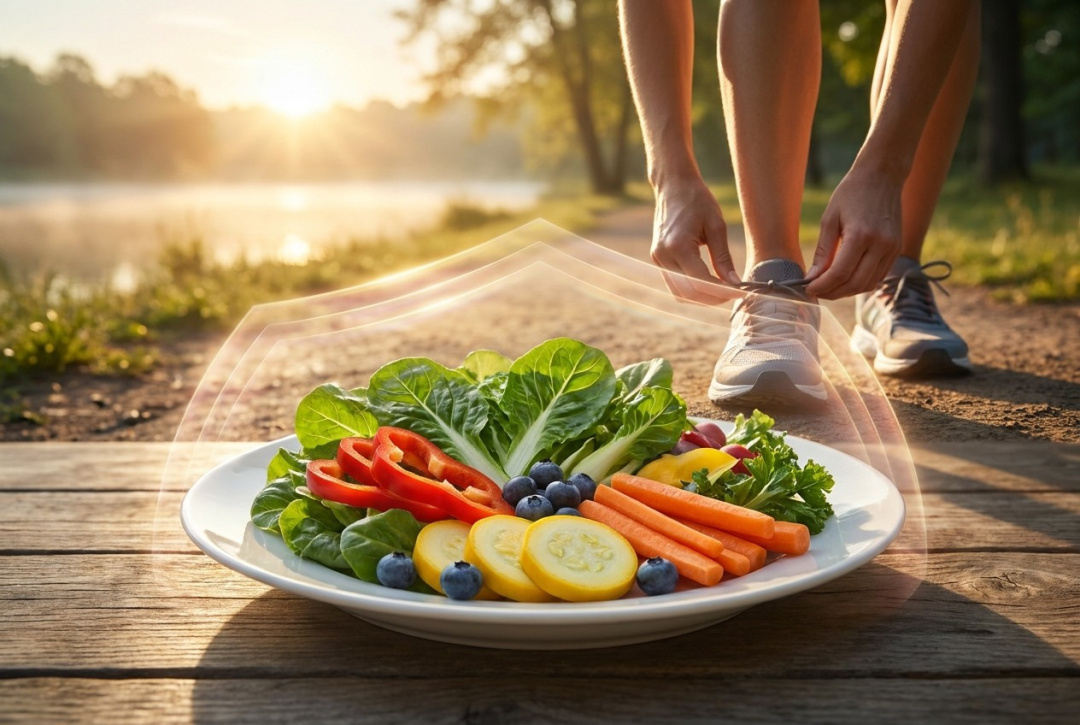
Overall, while many of these supplements are marketed as solutions for inflammation, the lack of robust scientific evidence and potential health risks warrant caution. It is advisable to focus on a balanced diet rich in whole foods and maintain an active lifestyle for optimal health, rather than relying solely on these trending supplements.