Aging as a Major Cancer Risk Factor: Understanding Its Implications
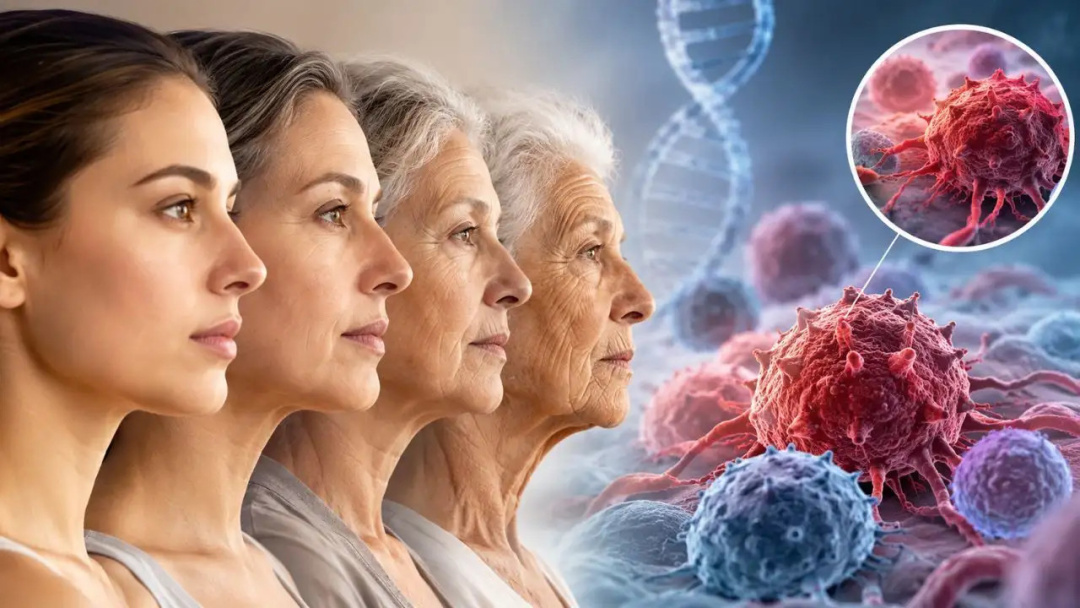
Aging is recognized as one of the most significant risk factors for cancer, with the likelihood of developing various forms of the disease increasing as individuals age. While many associate cancer risk with factors like smoking, alcohol consumption, and excessive sun exposure, aging itself presents a unique challenge that cannot be avoided. As people grow older, their bodies undergo numerous changes that can increase the risk of cancer. Cancer arises when cells accumulate genetic changes that enable them to grow and divide uncontrollably. Over time, these changes can be exacerbated by normal biological processes and environmental exposures, leading to a higher cancer risk in older adults.
The body's ability to repair cellular damage diminishes with age, and the immune system also undergoes changes that may impair its ability to identify and eliminate potentially cancerous cells. This combination results in a heightened risk of cancer among older individuals. However, it is essential to note that aging does not guarantee the development of cancer; it merely increases the opportunities for cancer-causing changes to accumulate.
Although aging is an unavoidable aspect of life, many cancer risk factors can be modified through lifestyle choices. Smoking remains one of the leading preventable causes of cancer, particularly linked to lung cancer and several other types. Alcohol consumption has also been associated with increased risks for various cancers, including breast, liver, and colorectal cancers. Other contributors to cancer risk include excess body weight, physical inactivity, certain infections, and environmental or occupational exposures. Thus, aging does not render cancer prevention efforts futile; rather, healthy lifestyle choices are crucial at any age.
The growing population of older adults worldwide poses significant challenges for healthcare systems. Many older individuals diagnosed with cancer may also have other health conditions or reduced physical function, which can complicate treatment decisions. Therefore, cancer treatment for older adults should consider more than just the tumor itself. A comprehensive assessment that includes an individual's physical function, cognition, nutrition, and existing health conditions is vital for developing a personalized treatment plan. This approach is especially important for those who are frail or have multiple health issues.
While aging is a strong risk factor for cancer, individuals can take practical steps to reduce preventable risks. Avoiding tobacco, limiting alcohol intake, maintaining a healthy weight, staying active, and protecting the skin from excessive ultraviolet exposure are all strategies that can contribute to cancer prevention. Additionally, regular medical check-ups and recommended cancer screenings can aid in the early detection of cancers or precancerous changes, improving treatment outcomes.
In conclusion, while aging is an inevitable part of life and a major risk factor for cancer, it is not a cause for despair. Through proactive health measures, including healthy living and appropriate screenings, individuals can make meaningful strides in cancer prevention and management at any age.