How Exercise May Influence Hunger During Weight Loss Efforts
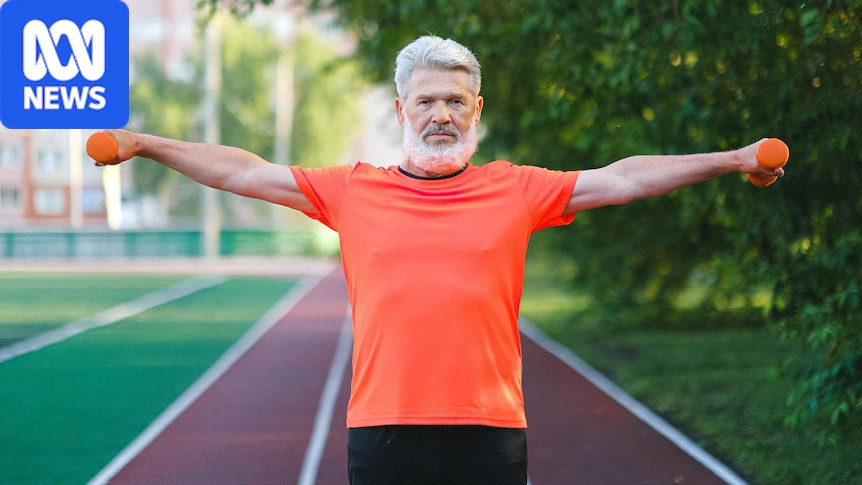
Many individuals who engage in regular exercise often report feeling hungrier afterward, leading them to question whether their workout routines are counterproductive to their weight loss goals. This phenomenon is not uncommon; many find themselves craving their favorite meals post-exercise, sometimes feeling justified in indulging because they have 'earned' it through their physical efforts. The relationship between exercise and hunger is complex and can vary from person to person. Factors such as the intensity and duration of the workout, individual metabolic responses, and psychological aspects of eating can all play significant roles in how exercise influences appetite. Research indicates that while some people may experience increased hunger after exercising, others may not feel the same urge to eat. This variability can be attributed to different metabolic rates, hormonal responses, and even psychological factors such as the perception of having worked hard enough to deserve a treat. Understanding these dynamics is crucial for those looking to manage their weight effectively while maintaining a healthy relationship with food. It is essential to approach this topic with mindfulness, recognizing that while exercise is beneficial for overall health, it may also lead to increased caloric intake if not balanced with mindful eating practices. Therefore, individuals should consider their hunger cues and food choices in the context of their exercise routines, aiming for a holistic approach to health and wellness that encompasses both physical activity and nutrition. Ultimately, being aware of how exercise affects one's appetite can help individuals make more informed decisions about their eating habits, ensuring that their efforts in the gym are complemented by thoughtful food choices.