North Dakota Family Transforms Debris-Covered Farm into Wildlife Habitat
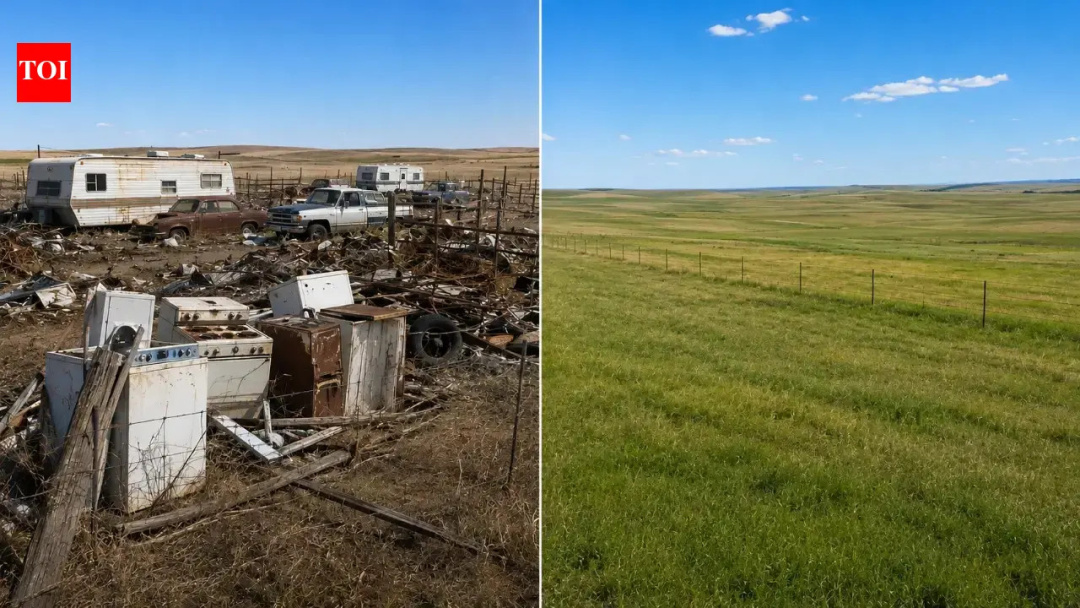
In east-central North Dakota, a family has undertaken a remarkable transformation of a once-neglected farm, turning it into a wildlife haven. Greg Hoskin and his daughter Nici Flann purchased a property that was cluttered with abandoned trailers, vehicles, and appliances. Over several years, they worked diligently to clear the debris, restore wetlands, and convert 200 acres of cropland back to native grassland. This restoration effort has not only improved the aesthetic of the farm but has also created a functional landscape that supports both cattle grazing and diverse bird populations. Research from the US Geological Survey indicates that different types of grassland habitats can sustain distinct bird communities, emphasizing the importance of habitat diversity for prairie wildlife. The Hoskin family’s approach mirrors this research, as they removed old structures and replaced cropland with native vegetation, resulting in a landscape rich with native flowers and diverse habitats. The restoration process focused on reviving ecological functions that had been lost due to poor land use practices over the years. The family’s work has led to the development of a mixed habitat that includes both restored grasslands and wetlands, rather than a single large block of farmland. Part of their land has even been enrolled in a conservation easement with the US Fish and Wildlife Service, highlighting their commitment to sustainable land management. Additionally, cattle grazing plays a vital role in this restoration. The land is leased to local grazers who practice rotational grazing, which involves moving cattle between pastures. This method fosters a variety of habitats that cater to different bird species, as certain birds prefer shorter vegetation while others thrive in taller grasses. Research from North Dakota State University supports this approach, indicating that greater vegetation diversity leads to a wider range of bird species. The farm also employs prescribed fire as a management tool, which helps prevent the encroachment of woody plants and encourages the growth of native grasses and wildflowers. By 2024, the extensive changes made to the farm earned it the designation of North Dakota’s newest Audubon Certified habitat, a recognition given to landowners who meet specific criteria for habitat management and sustainability. The Audubon Conservation Ranching Initiative has expanded to include over 100 certified ranches managing more than 3 million acres of bird-friendly habitat. For the Hoskin family, the focus of their efforts has been less about accolades and more about restoring the land to its productive potential for both wildlife and agricultural use. This transformation serves as a valuable lesson in conservation, demonstrating how dedicated efforts can revitalize degraded landscapes and support both ecological and agricultural goals.