Chlorella and Spirulina: Nutritional Allies in DNA Repair and Cellular Resilience
In a recent episode of 'UNBREAKABLE' aired on September 5, Mike Adams presented a compelling argument for the inclusion of specific foods in the diet to support cellular repair, particularly in the context of DNA damage. The episode shifted the focus from merely surviving with sufficient calories to addressing what the body requires at a molecular level when its DNA has been compromised. Among the foods discussed were sardines, anchovies, organ meats, brewer's yeast, wheat germ, chlorella, and spirulina, each contributing unique nutrients essential for cellular health.
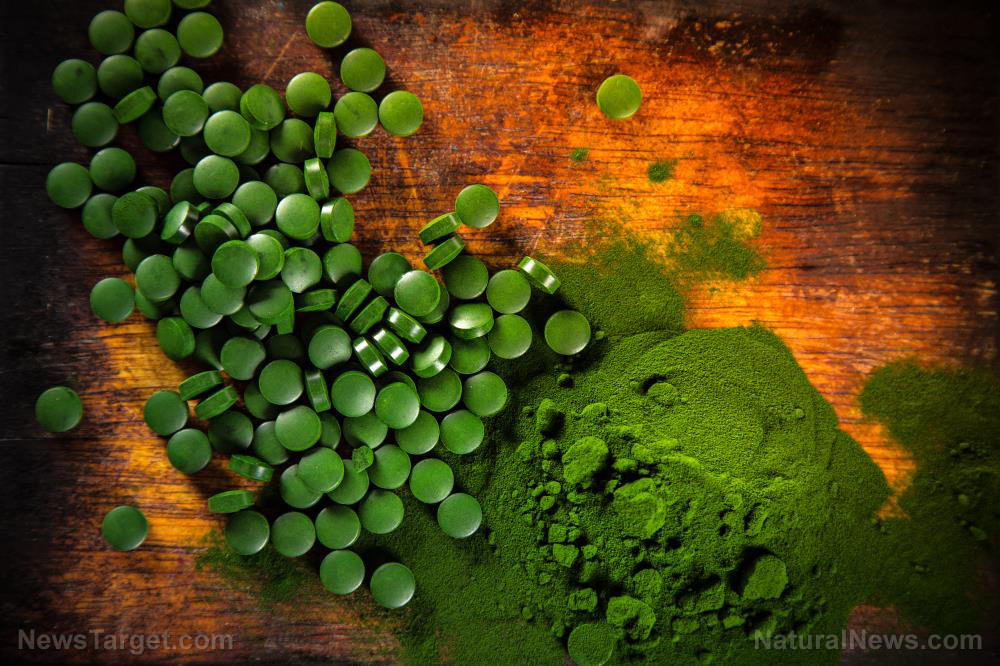
Chlorella was highlighted as a particularly potent source of dietary nucleotides and RNA, with Adams asserting, "There is no better superfood for this than chlorella, by far." This green algae is noted for its high concentrations of DNA and RNA, positioning it as a vital component in the proposed nutritional strategy for enhancing cellular resilience.
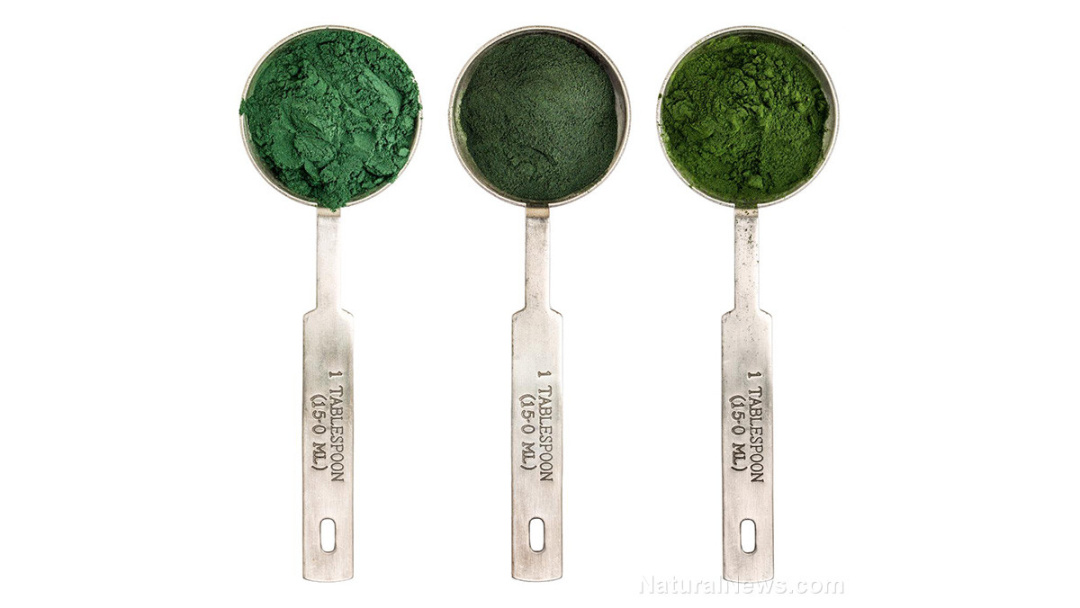
Spirulina, another algae, was introduced as a complementary food, offering additional benefits beyond nucleic acids. The episode detailed its content of phycocyanin and gamma-linolenic acid, which may protect against oxidative damage. Notably, research involving patients exposed to radiation during the Chernobyl disaster was referenced, suggesting that chlorella and spirulina could provide essential building blocks for repair and protection.
The discussion also included more traditional sources of nucleotides, such as sardines, which are recognized as a leading fish source, along with anchovies and mackerel. Organ meats, brewer's yeast, certain mushrooms, and wheat germ were proposed as additional nutrient-rich options. Adams also mentioned egg yolks as a familiar source of these vital nutrients.
Furthermore, the episode made a distinction between glutamine and monosodium glutamate, guiding viewers toward natural sources of glutamine found in beef, chicken, fish, eggs, and dairy. Vitamin B2, or riboflavin, was also emphasized for its role in metabolic processes related to the proposed repair mechanisms.
Ultimately, the episode challenges conventional notions of survival nutrition by integrating sardines, algae, and organ meats into a broader conversation about cellular resilience. It raises provocative questions about whether these often-overlooked foods could play a crucial role in sustaining health during prolonged biological crises. The insights shared in this episode are part of a larger educational initiative that explores the relationship between nutrition, DNA integrity, and cellular repair pathways, aiming to equip individuals with knowledge for genetic preparedness and resilience.