Pennsylvania Farmers Secure Future of 109-Acre Farm by Selling Development Rights
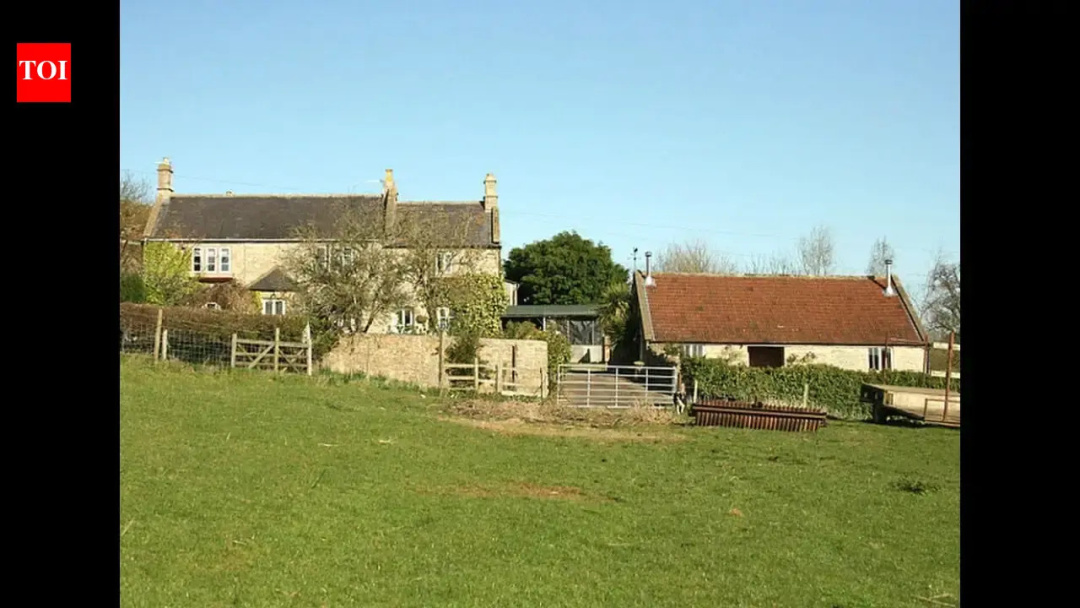
In Beaver County, Pennsylvania, Curtis C. and Calvin C. Steffler made a significant decision regarding their 109-acre crop-and-livestock operation in 2025. They chose to sell the development rights to their farm, ensuring that the land will remain in agricultural use and cannot be converted into homes or commercial developments. This choice reflects a proactive approach to preserving valuable farmland in an area facing increasing development pressures.
The Steffler farm is situated in Franklin Township, where agricultural landscapes are under threat from urban expansion. By retaining ownership of the farm while relinquishing the right to develop it for non-agricultural purposes, the Stefflers have ensured that their land can continue to be farmed. This arrangement was facilitated through Pennsylvania's farmland preservation program, which aims to protect productive agricultural land from being lost to development. In April 2025, the Pennsylvania Department of Agriculture announced a round of preservation efforts, committing a total of $448,600 to purchase development rights for the Steffler farm, among others, as part of a broader initiative that protected 29 farms covering 3,187 acres.
The Stefflers' farm is now safeguarded by a permanent conservation easement, which means that even if the property changes hands, the restrictions on its use will remain in place. This easement allows the land to continue supporting agricultural activities while prohibiting any future housing developments or commercial construction. The preservation of this farm is not just about maintaining open space; it also plays a crucial role in sustaining local agriculture and the community's connection to farming.
The financial implications of selling development rights can be significant for farm families. The proceeds from such sales can provide farmers with the capital needed to pay down debts, expand their operations, or secure the farm for future generations. Research indicates that many farmers use the funds from easement sales for debt reduction, savings, or purchasing new farming equipment. For the Stefflers, this arrangement represents a balance between maintaining their farm as a working property and protecting it from the pressures of development.
Moreover, preserving farmland contributes to the overall health of agricultural communities by preventing the fragmentation of agricultural areas. This continuity is vital for ensuring that farming remains a viable and productive activity, even as surrounding communities evolve. Since the inception of Pennsylvania's Farmland Preservation Program in 1988, over 6,600 farms covering approximately 662,000 acres have been protected from future development. The Stefflers' decision exemplifies how selling development rights can serve as a strategic move for farmers, allowing them to retain ownership of their land while securing its agricultural future amid changing landscapes.