Study Reveals Limitations of Sleep Trackers in Assessing Sleep Quality
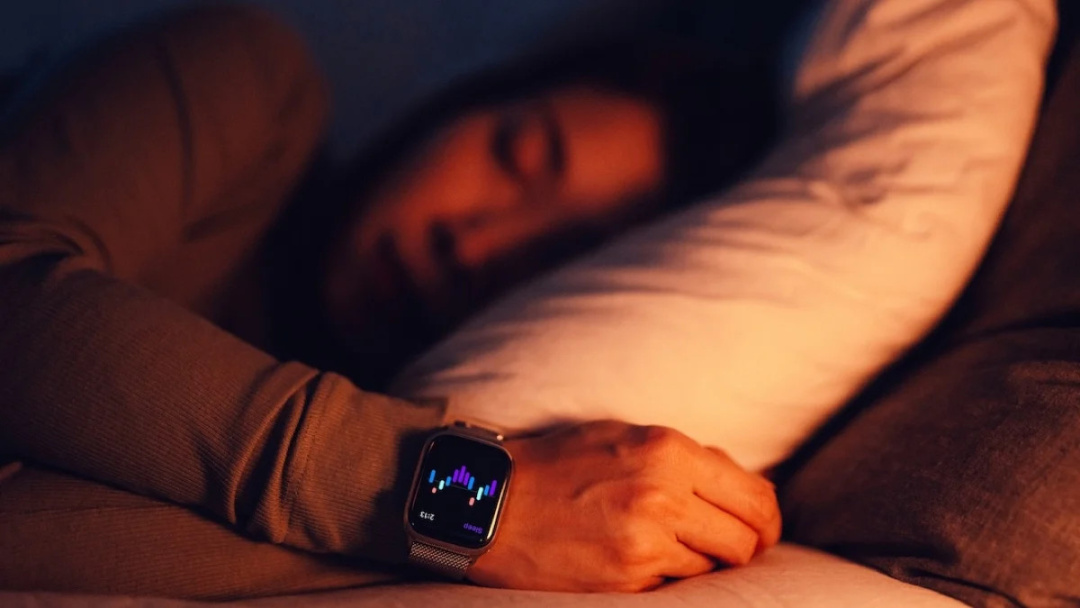
A recent systematic review has raised concerns about the effectiveness of wrist-worn sleep trackers, such as those produced by Fitbit and Apple, in accurately measuring sleep quality. Conducted by pulmonologist Narat Srivali from Duke University and physician-scientist Wisit Cheungpasitporn from the Mayo Clinic, the review was published in the journal Sleep Medicine and analyzed data from five studies involving approximately 2,000 participants. The findings indicate that while these devices can track sleep duration, they often fail to capture the subjective experience of sleep quality, particularly for individuals suffering from insomnia. The review concluded that there is a significant disconnect between users' perceptions of their sleep and the data provided by these trackers. Specifically, the devices explained only 2.5 to 16.2 percent of the variance in subjective sleep quality, which is crucial for diagnosing conditions like insomnia. Participants who reported poor sleep quality did not always receive corresponding low scores from their trackers, highlighting the limitations of these devices in reflecting users' actual sleep experiences. This discrepancy is particularly pronounced among older adults and those with mental health conditions, where the trackers often overestimate total sleep time and efficiency. The researchers emphasized that while wearables may provide reasonable feedback regarding sleep duration in healthy individuals, they can mislead those experiencing sleep disturbances, potentially delaying necessary clinical interventions. The review suggests that individuals concerned about their sleep quality should rely more on sleep diaries and subjective assessments rather than solely on data from sleep trackers. The findings underscore the importance of understanding the limitations of technology in managing health and wellness, especially in the context of sleep disorders. Users of sleep trackers are advised to approach their device data with caution, recognizing that it may not fully reflect their sleep satisfaction or quality. The study serves as a reminder that while technology can aid in tracking health metrics, it should not replace comprehensive clinical evaluations for sleep disorders.