Defining Biological Age Reversal: Insights from Aging Researchers
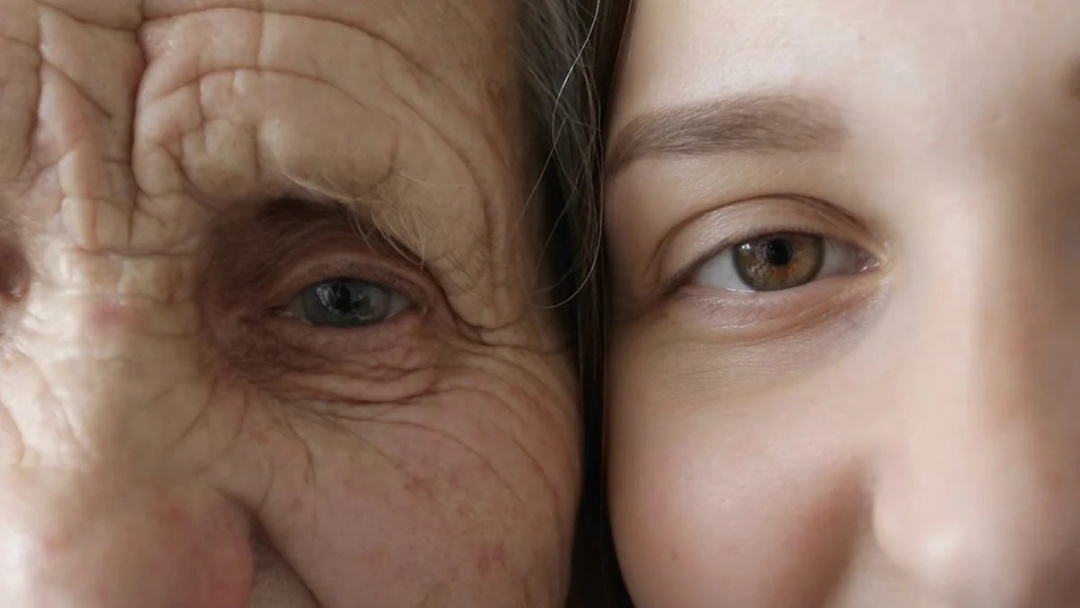
Imagine being 50 years old and seeing your biological age drop to 45, suggesting a five-year reversal according to a test. This scenario, coupled with improvements in muscle strength, mobility, and memory, presents an intriguing possibility for aging research. Scientists are actively investigating how to effectively measure and define biological age reversal, particularly as treatments targeting aging begin to enter human trials. In a recent commentary published in Cell Metabolism, researchers including Jesse Poganik and Vadim Gladyshev from Harvard Medical School discuss the challenges of correlating biological age assessments with actual improvements in bodily functions.
The researchers propose a framework that combines various internal measurements of biological changes with functional assessments to determine the success of age-reversal treatments. They emphasize the importance of understanding what biological age tests are actually measuring. Biological age is distinct from chronological age, as it reflects physiological changes that occur as people age. Poganik notes that a decrease in biological age indicated by a validated biomarker suggests a shift towards characteristics typical of younger individuals. However, he cautions against claiming that aging itself can be reversed, likening it to the impossibility of turning back time.
The commentary highlights the difference between slowing the aging process and achieving a younger biological age. While researchers are excited about the potential of these tests, they acknowledge that their applicability to individual cases is still being established. The tools used to measure biological age are validated in population studies, but their effectiveness for individual assessments remains uncertain.
For instance, in the CALERIE study, participants were assigned to either reduce their calorie intake or maintain their usual diet for two years. A 2023 analysis of blood samples from this study revealed a slight deceleration in aging, as measured by the DunedinPACE tool. However, other measures like PhenoAge and GrimAge did not show significant changes in biological age related to the dietary intervention. This disparity underscores the complexities involved in interpreting aging markers and their relationship to health outcomes.
Poganik expresses enthusiasm for large-scale trials that measure both health outcomes and aging markers, as they provide valuable insights into what changes in biological age truly signify. For example, if an individual has a biological age that suggests they are older, but their physical abilities such as grip strength and mobility remain intact, it raises questions about how to classify their biological age. Conversely, researchers who prioritize molecular measurements may aim to identify changes before functional declines occur, allowing for timely interventions.
Both approaches have limitations. Physical training can enhance specific skills without necessarily affecting the underlying aging processes, while molecular tests may not consistently reflect expected changes from exercise. Therefore, the authors advocate for a dual approach that considers both molecular and functional assessments.
The commentary also references the XPRIZE Healthspan initiative, which aims to evaluate rejuvenation through various functional measures, including muscle strength, cognitive ability, and immune function. Poganik highlights the importance of repeat testing to validate findings, suggesting that researchers should check whether the same measurements are used consistently before and after interventions, whether changes persist post-intervention, and whether results can be reproduced using different methods.
Ultimately, the goal is to establish a coherent narrative where improvements in biological markers correspond with enhanced bodily functions. The hope is that one day, a biological age report indicating '45' will be accompanied by tangible evidence of improved movement, cognition, and sustained health benefits, providing more than just a number to celebrate.