Christmas Trees Enhance Fish Habitats in Scout Lake, Georgia
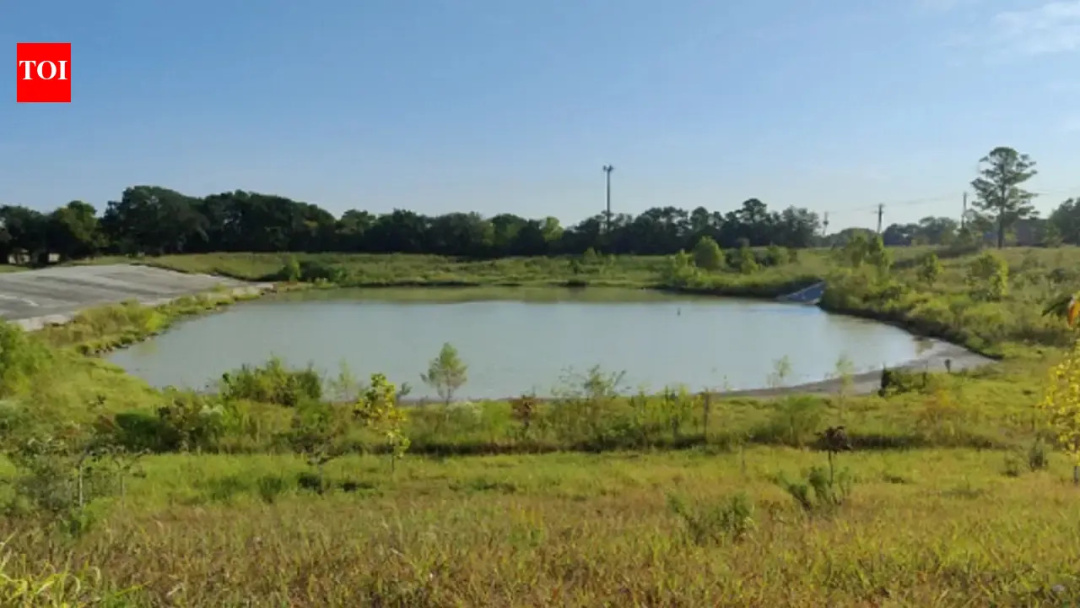
In the winter of 2004-2005, Airman First Class Gary Yates and volunteer Marilyn Rodgers undertook a project to improve fish habitats in Scout Lake at Robins Air Force Base in Warner Robins, Georgia, by sinking used Christmas trees into the water. This effort aimed to provide essential cover for fish, as artificial ponds like Scout Lake often lack the natural dead wood and structures that accumulate over time in natural bodies of water. Without these features, small fish are vulnerable to predators, and the aquatic ecosystem cannot thrive effectively.
The Christmas trees serve as an inexpensive solution to this problem. Their dense branches and needles create a protective environment for forage fish while also attracting algae and aquatic insects, which serve as a food source for smaller fish. Fisheries agencies focus on using such attractors to concentrate fish in areas accessible to anglers rather than drawing them from distant locations. By placing these trees close to boat docks and fishing piers, they transform quiet stretches of shoreline into productive fishing spots.
A notable study from 1980 on Norris Reservoir in Tennessee provides evidence of the effectiveness of such structures. The study involved interviewing 1,435 fishing parties over 7.5 months, revealing that anglers fishing near brush-pile attractors caught more fish per hour and in total weight compared to those fishing in open water. The greatest success was noted among crappie anglers, indicating that concentrated fish habitats significantly enhance fishing success.
More recent research conducted by biologists from the North Carolina Wildlife Resources Commission assessed the longevity and effectiveness of various fish habitat attractors using dual-frequency identification sonar. This study compared PVC and plastic pipe habitats to bundles of evergreen trees, finding that while both types attracted more fish than unstructured water, the evergreen bundles deteriorated more rapidly than synthetic alternatives. This deterioration means that while Christmas trees can quickly provide habitat benefits, they require replacement every few years to maintain their effectiveness.
The North Carolina Wildlife Resources Commission has documented over 800 fish habitats in more than 60 bodies of water, illustrating the widespread application of this ecological strategy. The program initiated by Yates and Rodgers is part of a larger trend across the United States, where biodegradable Christmas trees continue to play a crucial role in supporting fish populations, enhancing biodiversity, and improving fishing experiences for anglers.