Study Identifies Gender-Specific Dietary Patterns for Enhanced Longevity

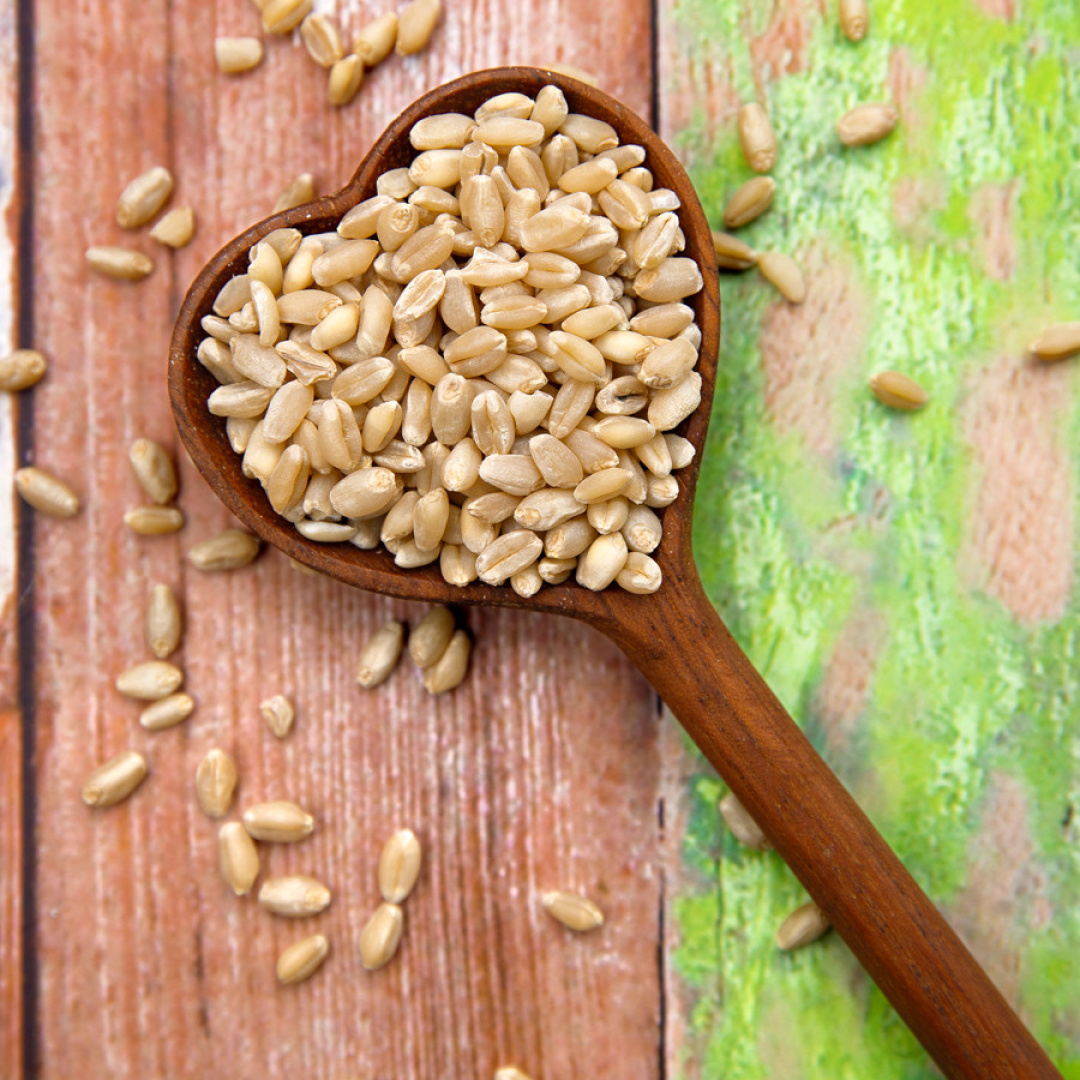
A major study has revealed that dietary patterns can significantly influence life expectancy, with findings indicating that optimal nutrition strategies may differ between genders. This research, which analyzed data from over 100,000 individuals in the United Kingdom, challenges the idea of a universal diet, suggesting that while healthy eating principles remain consistent, the specifics can vary by gender. For women, the study emphasizes the benefits of a diet rich in whole grains, such as quinoa and brown rice, while men are advised to focus on coffee consumption and avoid sugary drinks to enhance their longevity.
Published in the journal Science Advances, the study was a collaborative effort between Queen Mary University of London and Tongji Medical College in China. Researchers tracked participants for a median of over a decade, finding that adherence to healthy dietary patterns is associated with increased life expectancy, though the extent of the benefits differs between men and women.
The Alternate Mediterranean Diet (AMED) was identified as the most beneficial dietary pattern for women, potentially adding up to 2.3 years of life for a 45-year-old woman who follows it closely. This diet emphasizes whole grains, fruits, vegetables, nuts, and healthy fats like olive oil while minimizing red and processed meats. The findings suggest that the high fiber content of whole grains, combined with the healthy fats typical of the Mediterranean diet, may be particularly advantageous for women’s health.
Conversely, the Diabetes Risk Reduction Diet (DRRD) was found to be the most effective for men, with the potential to add three years to the life expectancy of a 45-year-old man. This diet encourages coffee consumption, with previous studies indicating that two or more cups per day can offer significant health benefits, while also advising against sugary beverages. The study highlights the importance of managing blood sugar and insulin sensitivity as critical factors for male longevity.
Across all dietary patterns analyzed, a high intake of fruits and vegetables was consistently linked to a lower risk of early death, while diets high in processed meats and sugary foods were associated with increased mortality risk. The research underscores the protective benefits of whole plant foods and the dangers of processed foods.
Additionally, the study considered genetic factors, concluding that a healthy dietary pattern can lead to a longer life expectancy regardless of genetic predisposition. This finding empowers individuals to make lifestyle choices that can positively impact their health outcomes, even in the presence of hereditary risks.
While the study reaffirms the broad benefits of established diets like the Mediterranean pattern, it also suggests a more personalized approach to nutrition, tailored to individual needs based on gender. This research reinforces the concept of food as a powerful tool for health and longevity, advocating for dietary choices that reflect personal health goals and biological differences.