Study Links Cat Ownership to Increased Mental Health Issues in Young Children
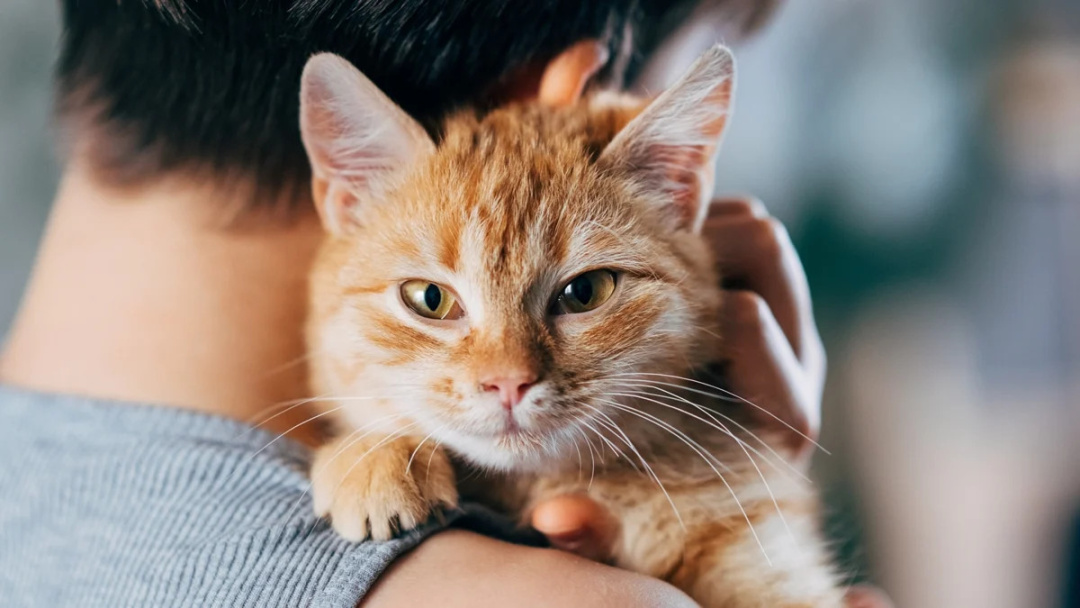
Parents often seek ways to enhance their children's physical and mental well-being, and pet ownership is a common practice. A recent study published in the World Journal of Pediatrics has shed light on the complex relationship between pet ownership and mental health in young children, revealing some surprising findings. Conducted by Spanish epidemiologists, the study examined data from nearly 1,900 mother-child pairs involved in the Infancia y Medio Ambiente (INMA; Environment and Childhood) project, which initially aimed to study environmental factors affecting child development. The researchers collected years of data on pet ownership, focusing on various types of pets, including cats, dogs, birds, and small animals like hamsters and reptiles. The results indicated that owning a cat at ages 4-5 was linked to an increased risk of both internalizing and externalizing problems in children. Internalizing behaviors include symptoms of depression and anxiety, while externalizing behaviors may involve rule-breaking or disruptive actions. In contrast, owning other types of pets during early childhood appeared to have a protective effect, associated with a reduced risk of these mental health issues. The study's findings suggest that while pets can foster emotional bonds and social development, the type of pet may significantly influence the mental health outcomes. The researchers proposed several hypotheses to explain these results. One possibility is that emotional attachments to pets may not fully develop until later in life, which could delay any potential benefits. Additionally, smaller pets like rodents and reptiles may not inspire the same level of emotional connection due to their evolutionary distance from humans. The study also noted that cats, often perceived as lower-maintenance pets, might be chosen by families with children who have existing mental health conditions. This choice could inadvertently contribute to the observed negative mental health outcomes. Furthermore, the nature of interactions between children and their pets may play a role; cats typically engage less in outdoor activities that promote mental well-being compared to dogs. The researchers concluded that the relationship between early pet ownership and child mental health is complex and warrants further investigation. This study highlights the need for parents to consider the potential implications of pet ownership on their children's mental health, particularly regarding the type of pet they choose to bring into their homes.