Exploring the Long-Term Use of GLP-1 Medications for Weight Management
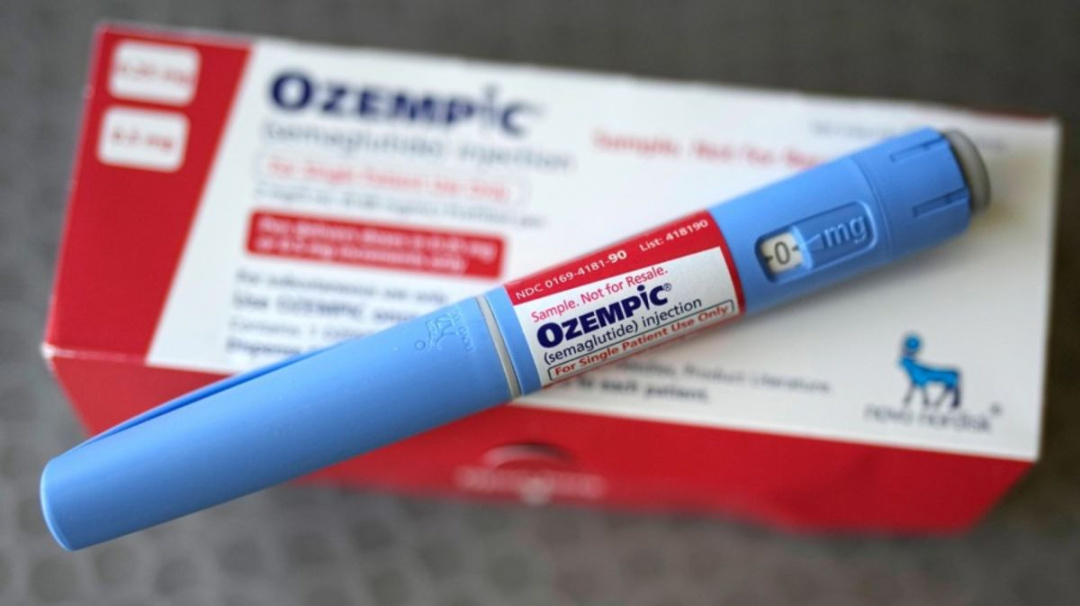
Nearly 15% of Americans have tried GLP-1 medications, which have shown significant promise in aiding weight loss. However, users often find themselves questioning the feasibility of stopping these injections. Research indicates that upon discontinuation, patients may regain approximately two-thirds of the weight they lost while on the medication. For instance, a trial involving tirzepatide, known as Zepbound or Mounjaro, revealed that about 60% of the weight lost was regained within a year after therapy ceased, according to Dr. Marquita Lyons-Smith, Program Director of Health Administration at North Carolina Central University. Dr. Joshua Neal, an obesity medicine physician at the Medical University of South Carolina, noted that currently, there is no effective off-ramp for patients, as these medications are designed for long-term use. While some patients express a desire to quit due to the high costs or side effects associated with GLP-1s, experts caution against the notion that stopping will inevitably lead to regaining all lost weight. Lyons-Smith advises that while there is a significant risk of weight regain, it is essential to develop a maintenance plan before discontinuing the medication. This plan should encompass adequate nutrition, regular physical activity focusing on strength training, and behavioral strategies to support weight management. Patients may consider reducing their dosage to a maintenance level, but this is distinct from the practice of microdosing, which lacks clinical evidence and supervision. The popularity of microdosing has surged in public discourse, yet Lyons-Smith and Neal emphasize that it does not equate to proven efficacy. For those contemplating stopping GLP-1 use, establishing a comprehensive maintenance strategy is critical. This plan should include a focus on nutritional quality, regular exercise, and monitoring of weight and metabolic health indicators. Additionally, individuals should reflect on the underlying factors contributing to their obesity and seek appropriate treatment for related conditions. For example, women with obesity and conditions like PCOS may benefit from a combination of metformin and a healthy lifestyle after discontinuing GLP-1s. Ultimately, the goal should not merely be to discontinue medication but to identify the safest and most sustainable long-term approach to maintaining health improvements without viewing any weight regain as a personal failure.