Concerns Over Gene-Edited Rice Introduction in India: A Call for Caution
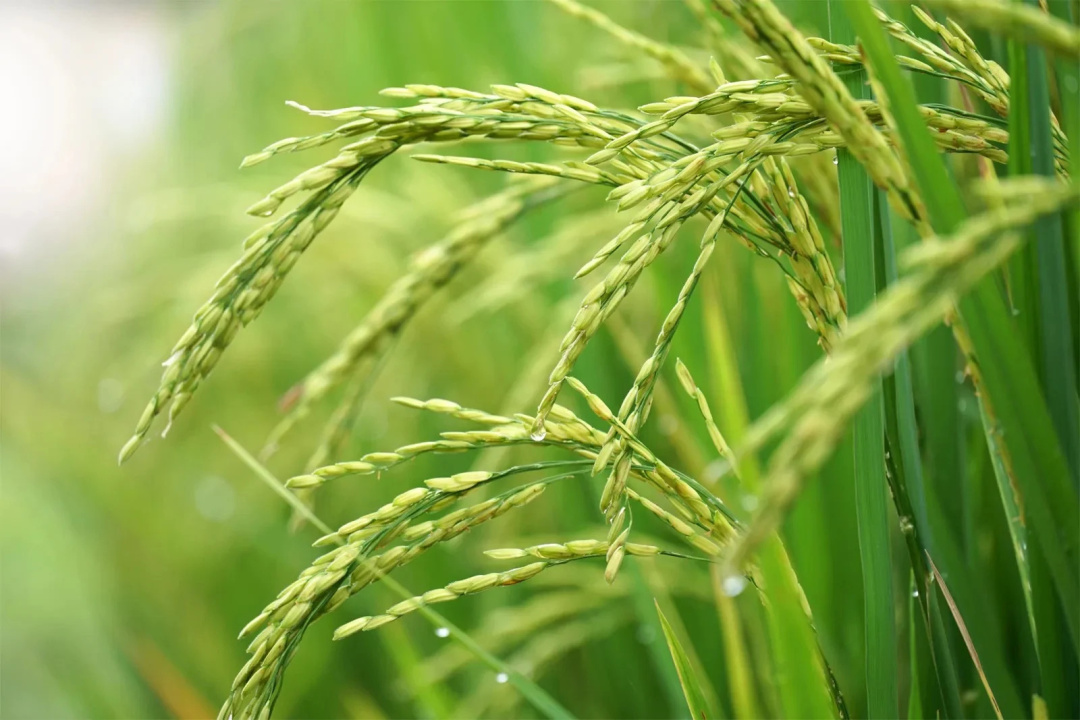
India's agricultural strength is deeply rooted in its commitment to natural farming practices, agro-ecology, and the preservation of its rich biodiversity. However, recent plans to introduce gene-edited rice varieties, specifically the Pusa-DST Rice-1, have raised alarms among various stakeholders. Critics argue that this initiative, which involves a partnership with the US-based company Corteva for CRISPR-Cas9 gene editing technology, threatens India's longstanding resistance to genetically modified (GM) crops. The Coalition for GM-Free India has condemned the push for gene-edited rice, citing concerns over untested and potentially unsafe varieties. Additionally, a group of 20 agricultural scientists has warned against the premature release of these crops, emphasizing the risks they pose to farmers, biodiversity, and seed sovereignty.
Historically, India has maintained a cautious stance on GM crops, successfully resisting the introduction of GM mustard and brinjal. This resistance stems from a commitment to food safety and the protection of indigenous agricultural practices. However, the introduction of gene-edited crops is seen as a strategic move to circumvent this opposition. Critics argue that gene editing presents similar risks to those associated with traditional genetic modification, including potential harm to human health and the environment.
The debate intensified following a report in The Hindu Business Line, which indicated that India is on the verge of signing a memorandum of understanding with Corteva. The Coalition for GM-Free India has called for a precautionary approach, advocating for rigorous regulation of gene editing to prevent irreversible harm to the environment and human health. They argue that the introduction of gene-edited rice could jeopardize the genetic diversity of India's indigenous rice varieties, which have been cultivated for generations.
Prominent scientists, including Dr. Pushpa Bhargava, have voiced strong opposition to GM crops, citing extensive research that highlights their potential dangers. Dr. Bhargava, a respected figure in the field of molecular biology, has pointed out that numerous studies indicate harmful effects of GM crops on health and biodiversity. His warnings are echoed by the Independent Science Panel, which asserts that GM crops have failed to deliver on their promises and pose escalating problems for farmers.
The introduction of gene-edited crops is not merely a scientific issue; it is also a matter of economic and social justice. Many rice exporters in India are opposing the gene-editing lobby, recognizing the potential threat to India's reputation as a source of healthy, non-GM rice. The push for gene-edited crops is viewed by some as an attempt by multinational corporations to gain control over India's agricultural landscape, undermining the rights of small farmers and jeopardizing food security.
As the discourse around gene editing continues, it is crucial for the public and policymakers to engage in informed discussions about the implications of these technologies. The call for transparency and rigorous regulation is paramount to ensure that India's agricultural heritage is preserved and that farmers are not subjected to the whims of powerful corporate interests. The future of India's rice cultivation, a staple food for millions, hangs in the balance as stakeholders rally to protect the nation's agricultural sovereignty.