Research Highlights Importance of Handling for Blueberry Nutrient Retention
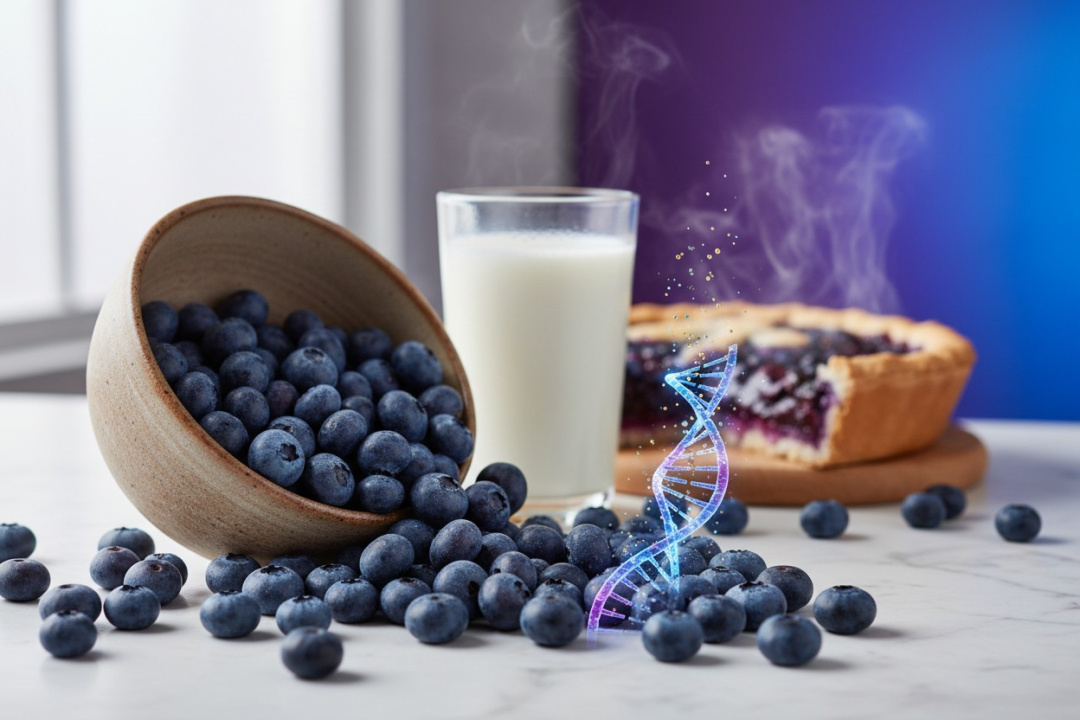
Recent research has shed light on how the nutrient retention of blueberries is influenced by handling and consumption practices. The study highlights that the amount of anthocyanins, which are beneficial compounds in blueberries, absorbed by the human body is only a fraction of what is consumed. Researchers assert that the way berries are handled prior to consumption and the composition of an individual's gut bacteria are critical factors that determine the nutrient yield from each serving of blueberries. These variables often outweigh the total amount of berries consumed.
Fresh blueberries typically contain between 90 to 820 milligrams of anthocyanins per 100 grams, with the exact amount varying based on species, cultivated variety, growing conditions, and ripeness. In contrast, a retail survey indicated that red table grapes contain approximately 8 to 15 milligrams of anthocyanins per 100 grams. Consistent intake of these compounds has been associated with lower risks of cardiovascular disease and other age-related conditions, as evidenced by literature reviews involving over 602,000 individuals across Australia, Europe, and the United States.
The bioavailability of anthocyanins is notably low, with less than 5% being absorbed intact in the upper digestive tract. Most of the remaining compounds are transported to the colon, where gut bacteria break them down into smaller phenolic metabolites that can cross the intestinal lining and enter the bloodstream. Rachel Ann T. Melegrito, the author of the report, notes that individual differences in gut microbiome can significantly affect how much benefit one derives from the same serving of blueberries compared to another person.
Postharvest handling also significantly impacts anthocyanin stability. One study cited found that frozen blueberries retained their anthocyanin levels over a three-month period, while conventional cabinet drying led to a 41% reduction in these compounds. This aligns with broader research indicating that processing and storage conditions can substantially alter the phenolic content of fruits and vegetables. Cooking methods, including baking, can also cause chemical changes in plant tissues that affect their antioxidant content.
Cooking and blending blueberries can break down their cell walls, making beneficial compounds easier to release from the food matrix. However, this process also exposes anthocyanins to heat and oxygen, which can degrade them. Registered dietitian nutritionist Kara Seidman provided practical advice for preserving nutrients: refrigerate blueberries unwashed, rinse them just before consumption to limit moisture that promotes mold, and keep frozen berries as a stable alternative. Seidman noted that even cooked or baked blueberries offer fiber and other beneficial plant compounds, despite a decline in anthocyanin levels due to heat.
The interaction of blueberries with other foods can also influence the body's response to the fruit. For instance, one study indicated that consuming blueberries with milk reduced the antioxidant boost compared to eating them with water, as milk proteins and fats may trap some of the blueberry compounds. However, Seidman reassured that dairy does not negate the core health benefits of blueberries.
Moreover, findings from a 2025 study involving premenopausal women suggested that eating blueberries alongside an iron supplement could hinder the absorption of non-heme iron, which is found in plant foods. The polyphenols in blueberries can bind to iron in the digestive tract, limiting its uptake. Seidman advised spacing large servings of blueberries apart from iron-rich meals or supplements by a couple of hours as a precaution. Despite these interactions, she emphasized that the core value of regular blueberry consumption remains significant.
The health benefits associated with blueberries include improvements in cardiovascular and metabolic markers. A 2024 meta-analysis of 11 trials found that blueberry intake enhanced blood vessel dilation and slightly lowered diastolic blood pressure. Other research linked blueberry polyphenols to reduced insulin resistance and a lower risk of Type 2 diabetes. These findings support recent studies associating higher flavonoid intake with reduced risks of frailty and physical decline in older populations.
Cognitive benefits from blueberries, however, present mixed evidence. One trial indicated that consuming about one cup of blueberries daily for three months increased blood flow in the anterior cingulate cortex, a brain region associated with attention and executive function. Conversely, a review of 14 randomized trials found improved vascular function but no significant overall enhancement in cognitive performance. Emerging genetic research suggests that blueberry compounds may influence DNA methylation patterns in genes related to brain signaling and metabolism.
Seidman concluded that the priority for consumers should be regular intake of blueberries in a form they enjoy. For individuals managing diabetes, it is recommended to choose whole or unsweetened frozen berries instead of juice or sweetened products. Those dealing with iron deficiency should separate large servings of blueberries from iron-rich meals or supplements by several hours. Ultimately, the health benefits linked to anthocyanins persist even after these compounds are metabolized during digestion, suggesting that consistent consumption of blueberries—whether fresh, frozen, or cooked—will yield greater benefits than focusing solely on raw berries.