Unexplained Weight Loss as a Potential Indicator of Cancer, Insights from Oncologist
Losing weight without intention may initially appear beneficial, but unexplained weight loss can indicate a serious underlying health issue that requires medical attention. Conditions such as hyperthyroidism and uncontrolled diabetes can lead to rapid weight loss; however, cancer remains a significant concern when there is no identifiable cause. Dr. Rajesh Kumar Jain, Principal Director of Surgical Oncology at BLK Max Hospital, emphasizes that unintentional weight loss is one of the most critical early warning signs of potential malignancy.
Dr. Jain defines medically unintentional weight loss as a reduction of more than 5 percent of total body weight over a period of 6 to 12 months without a known cause. For example, this could mean losing approximately 3.5 kg from a baseline weight of 70 kg. While endocrine disorders can induce rapid weight loss, cancer must remain a high-priority diagnostic consideration.
Cancer-related weight loss is not merely due to decreased food intake; it involves complex metabolic changes. Tumors can trigger inflammation, increase energy demands, and affect nutrient intake and absorption. Dr. Jain explains that cancer cachexia occurs when tumors release pro-inflammatory cytokines such as TNF-alpha, IL-1, and IL-6, which alter lipid and protein metabolism, leading to accelerated degradation of skeletal muscle mass and fat tissue.
Rapidly proliferating malignant cells require substantial glucose and nutrient reserves, pushing the host body into a catabolic state where energy is burned faster than normal. Malignancies of the gastrointestinal tract can directly impair nutrient intake and absorption through issues such as dysphagia, early satiety, severe malabsorption, or chronic micro-bleeding, which can lead to anemia.
Unexplained weight loss can present with several types of cancer, particularly noticeable in pancreatic, gastric, esophageal, colorectal, and lung cancers, as well as blood cancers. Epidemiological data indicates that unexplained weight loss occurs in up to 80 percent of patients with advanced cancer, often presenting early in pancreatic and gastric cancers, where over 60 percent of patients experience significant weight loss at initial diagnosis.
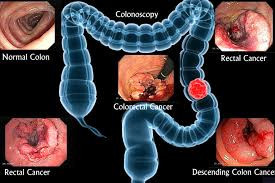
Esophageal and colorectal cancers may also lead to weight loss due to luminal narrowing and increased metabolic demands, while lung cancer is frequently associated with systemic inflammation. Hematologic malignancies, including lymphomas and leukemias, can also manifest with unexplained weight loss.
The presence of unexplained weight loss is more concerning when accompanied by persistent fatigue, fever, night sweats, digestive issues, enlarged lymph nodes, or localized pain. Dr. Jain stresses that unintended weight loss warrants prompt medical investigation, especially when paired with debilitating fatigue that is not alleviated by rest.
Critical warning signs include unexplained low-grade fever, drenching night sweats, chronic fullness after eating, persistent digestive discomfort, palpable lymphadenopathy, or localized pain. Early diagnostic intervention, using targeted blood tests, endoscopic evaluations, and advanced imaging techniques such as CT or PET scans, can significantly improve curative outcomes.
India is currently facing a rising cancer burden, with changing patterns in the age and types of cancers diagnosed. Dr. Jain notes that cancer is transitioning from an acute clinical challenge to a severe public health priority in the country. According to the Indian Council of Medical Research and the National Cancer Registry Programme, India reports over 1.4 million new cancer cases annually, with projections indicating continued growth across both urban and rural demographics.
Breast cancer now accounts for over 28 percent of all female cancers in India, surpassing cervical cancer as the leading malignancy among women, particularly in metropolitan areas. Oral cavity and pharyngeal cancers remain the most common malignancies among men, primarily driven by the use of smokeless tobacco, gutka, betel nut, and bidi smoking.
Clinicians have observed an increasing incidence of breast, colorectal, and stomach cancers in individuals under 50, which is linked to rapid urbanization, sedentary lifestyles, obesity, and diets high in ultra-processed foods. Late diagnosis continues to be a major challenge, with screening gaps and unequal access to oncology infrastructure contributing to delays in treatment.
Approximately 60 to 70 percent of cancer cases in India are diagnosed at advanced stages (Stage III or IV), which drastically reduces five-year relative survival rates. Despite the proven efficacy of routine screenings, such as mammography, Pap smears, HPV testing, and low-dose CT scans for high-risk smokers, the uptake remains low at the population level.
Advanced oncology infrastructure is predominantly concentrated in tier-1 metropolitan cities, leading to diagnostic and treatment delays for patients in semi-urban and rural areas. Public health authorities emphasize that over 40 percent of all cancer cases are preventable, and many others are curable if identified at Stage I or II. Dr. Jain advocates for the total cessation of all smoked and smokeless tobacco products to reduce the incidence of head, neck, and lung cancers.
While unexplained weight loss does not automatically indicate cancer, persistent weight reduction without a known cause, especially when accompanied by other warning signs, should not be overlooked. Dr. Jain's insights underscore the importance of awareness and early medical evaluation in addressing potential health issues effectively.