Exploring the Nutritional Benefits of Corn and Its Varieties
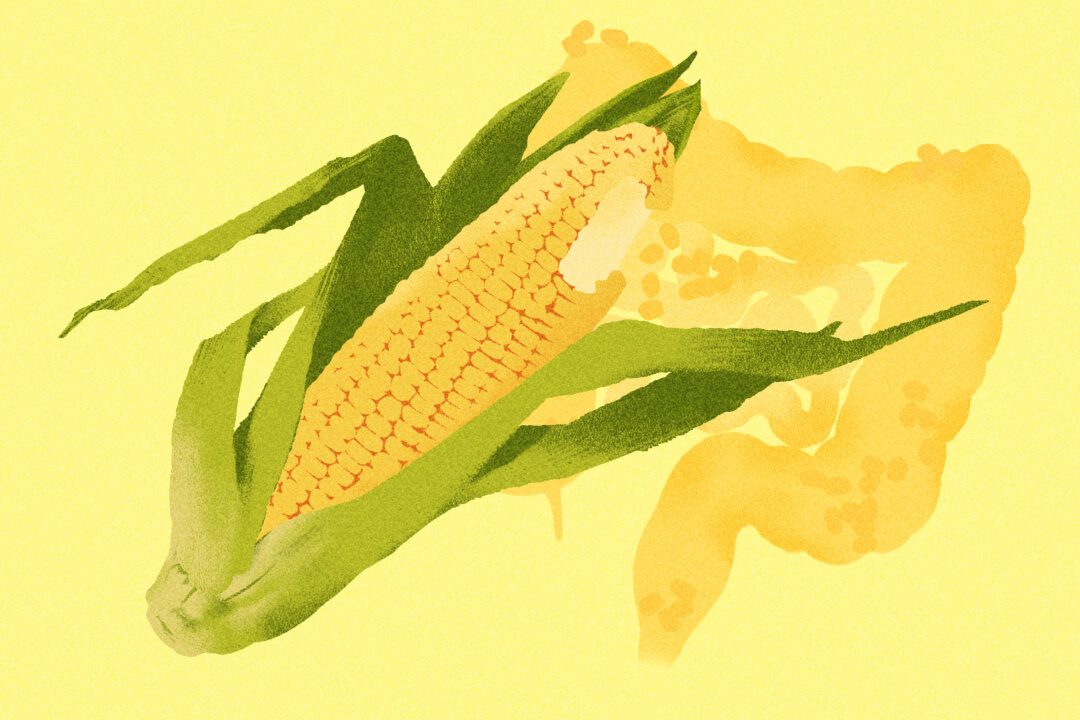
Corn, a staple food for over 9,000 years, has long been celebrated for its nutritional benefits. It is rich in insoluble fiber, carotenoids such as lutein and zeaxanthin, and essential B vitamins like folate. These nutrients contribute to digestive health, eye protection, and overall well-being. Dr. Ayesha Bryant notes that corn is often labeled merely as a starch, yet it offers a diverse array of nutrients compared to many grains.
The color of corn kernels can indicate the presence of antioxidants and phytochemicals. For instance, yellow and orange corn are high in carotenoids, while blue corn is rich in anthocyanins, compounds known for their antioxidant properties. Purple and red corns also provide beneficial flavonoids and may have higher protein and oil content. However, it is essential to recognize that the nutritional differences among corn varieties can be influenced by factors such as genetics, growing conditions, and processing methods.
Genetically modified (GM) corn is primarily engineered for pest resistance and herbicide tolerance rather than nutritional enhancement. Research has not definitively shown that non-GM corn is more nutritious than approved GM varieties. However, the widespread use of glyphosate, a herbicide associated with GM crops, raises health and environmental concerns. Experts like Kelly Burgess emphasize the importance of considering how corn is grown, as soil health plays a crucial role in the quality of produce.
Corn's nutritional profile includes insoluble fiber and resistant starch, both of which contribute to digestive health. These components help maintain bowel regularity and may reduce the risk of constipation. Additionally, resistant starch reaches the colon, where it can be fermented by beneficial gut bacteria, producing short-chain fatty acids like butyrate, which have protective effects on gut health and may lower inflammation.
Cooking methods can also impact the nutritional value of corn. For example, boiling can lead to a significant loss of antioxidants, while steaming is more effective at preserving these compounds. To maximize the health benefits of corn, it is best to consume it fresh and store it properly to maintain its quality.
When preparing corn, consider simple recipes that highlight its flavor and nutritional benefits. A fresh corn salad can be a delightful addition to any meal. Combining fresh corn with quinoa, black beans, and a light dressing can create a nutritious and satisfying dish. To prepare, toast quinoa, cook corn until tender, and mix with other ingredients for a refreshing salad.
While corn is nutritious, it is essential to be mindful of the form in which it is consumed. Whole-kernel corn is beneficial, but highly refined corn products can behave differently in the body and may lead to spikes in blood sugar. Individuals with specific dietary concerns, such as those with Type 2 diabetes, should be cautious about their intake of processed corn products.
In summary, corn is a versatile grain with numerous health benefits, but consumers should be aware of its growing conditions and processing methods to ensure they are getting the most nutritional value. By choosing fresh, whole corn and preparing it thoughtfully, individuals can enjoy its many advantages while being mindful of potential health concerns associated with GM corn and herbicide use.